


Mimi Chocolate: The Lost Taste of Bangladesh’s Childhood

Mimi Chocolate: The Lost Taste of Bangladesh’s Childhood
For many Bangladeshis who grew up in the 80s and 90s, one name still sparks instant nostalgia and embedded in their memories is the ‘Mimi Chocolate‘. Long before the shelves were filled with imported treats and premium confectionery brands, Mimi was more than just a chocolate; it was a defining part of childhood.
Today, while modern chocolates dominate the market, Mimi Chocolate remains etched in memory as a symbol of simpler times, school tiffin breaks, neighborhood shops, and the joy of a small indulgence.
The TV commercials of Mimi Chocolate on BTV, the country’s only television channel at that time, played a starring role in making Mimi an object of childhood desire.
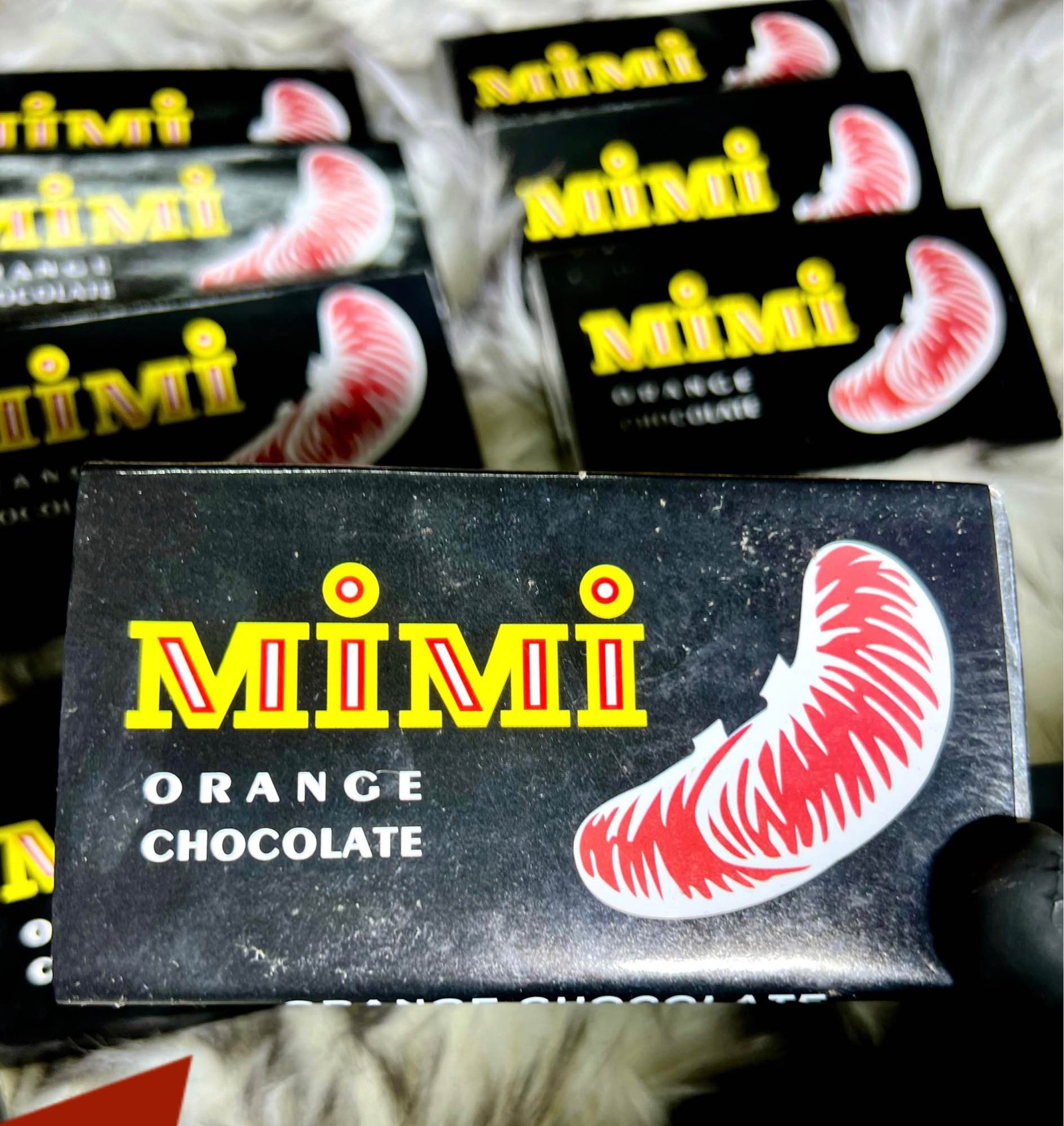
Though the original Mimi Chocolate Limited is no longer operational which discontinued in 2018, a new versions produced by private companies like Bin Farid International are available through various online retailers in Bangladesh.
The Birth of a National Favorite
Mimi Chocolate holds a unique place in Bangladesh’s industrial history. It is widely recognized as the country’s first locally produced chocolate brand, introduced in 1965, The factory was built on 1 acre of land in Tejgaon of the then East Pakistan, during a time when the domestic confectionery industry was still in its infancy.
After independence, the brand came under the control of the Freedom Fighter Welfare Trust, reflecting a broader national effort to rebuild industries and support economic growth. This association gave Mimi not only commercial value but also a symbolic role in the country’s development.
For years, Mimi operated in a market with very little competition. Imported chocolates were scarce and expensive, making Mimi the go-to treat for millions.
A Taste That Defined Generations
Ask anyone who grew up in Bangladesh during the 80s or 90s, and chances are they will recall Mimi Chocolate with a smile. It wasn’t just about taste—it was about experience.
From small corner stores to school canteens, Mimi was everywhere. Its affordability made it accessible, while its distinctive flavor made it memorable. For many children, it was their first introduction to chocolate.
The brand became intertwined with everyday life:
- A reward for doing well in exams
- A quick treat after school
- A shared snack among friends
In a time before smartphones and global brands, these small moments carried immense value. Mimi Chocolate wasn’t just consumed.
The Simplicity That Made It Special
Unlike today’s chocolates with complex flavors and premium packaging, Mimi Chocolate was simple. Its modest design and straightforward taste reflected the era it belonged to.
But that simplicity was also its strength. It appealed to a wide audience without trying to be extravagant. In many ways, Mimi represented a homegrown identity, something people could relate to and take pride in.
This simplicity also made it a cultural artifact, a reminder of a time when local products dominated everyday consumption.
The Changing Landscape of Chocolate in Bangladesh
As Bangladesh’s economy opened up and global trade expanded, the confectionery market began to change rapidly. International brands entered the scene, bringing with them new flavors, better packaging, and aggressive marketing strategies.
At one stage, Mimi Chocolate became a loan defaulter. Consequently, imports of raw materials became irregular. In this situation, the authorities decided to close the company in 2006.
Suddenly, Mimi Chocolate was no longer the only option.
Consumers, especially younger generations, were drawn to:
- Smoother textures
- Richer cocoa blends
- Attractive branding and packaging
The shift was inevitable. The chocolate market evolved, and with it, consumer expectations grew.
From Market Leader to Memory
Despite its early dominance, Mimi Chocolate struggled to keep pace with the changing industry. Limited innovation and outdated production methods made it difficult to compete with multinational brands.
Gradually, the once-popular chocolate began to disappear from store shelves. By the late 2010s, it had quietly faded away, marking the end of an era.
In 2018, the government shut the factory formally after years of losses. The space is now rented to a motorcycle company for using it as a showroom. Earlier, in 2006, there was an attempt to shut the company, but somehow it survived.
But while the product vanished, its legacy did not.
Why Mimi Chocolate Still Matters Today
Even years after its disappearance, Mimi Chocolate continues to hold emotional value. It represents:
- A shared cultural memory
- A piece of Bangladesh’s industrial history
- A reminder of childhood simplicity
In an age dominated by global brands, Mimi stands as a symbol of local entrepreneurship and early industrial ambition.
For many, it’s not just about the chocolate itself—it’s about what it represents.
Nostalgia in the Digital Age
Interestingly, Mimi Chocolate has found a second life online. Social media platforms are filled with posts, discussions, and memories about the brand.
People often reminisce about:
- The taste they can no longer find
- The packaging they vividly remember
- The moments associated with it
This wave of nostalgia highlights a powerful truth: products may disappear, but emotions last much longer.
Could Mimi Chocolate Make a Comeback?
In recent years, there has been a growing trend of reviving nostalgic brands. Across the world, companies are bringing back old products to tap into emotional connections with consumers.
If Mimi Chocolate were to return, it could find a ready audience among:
- Millennials seeking nostalgia
- Curious younger consumers
- Supporters of local brands
However, a successful comeback would require modernization improved quality, updated branding, and competitive marketing.
A Sweet Memory That Lives On
Mimi Chocolate may no longer be available in stores, but it continues to live on in the hearts of those who grew up with it.
It represents a time when life was simpler, choices were fewer, and happiness could be found in something as small as a piece of chocolate.
In the story of Bangladesh’s confectionery industry, Mimi Chocolate will always hold a special place not just as the first, but as the one that started it all.