




Migratory Birds in Bangladesh Are in Decline: A Global Warning for Biodiversity

Migratory Birds in Bangladesh Are Disappearing: A Global Warning for Biodiversity
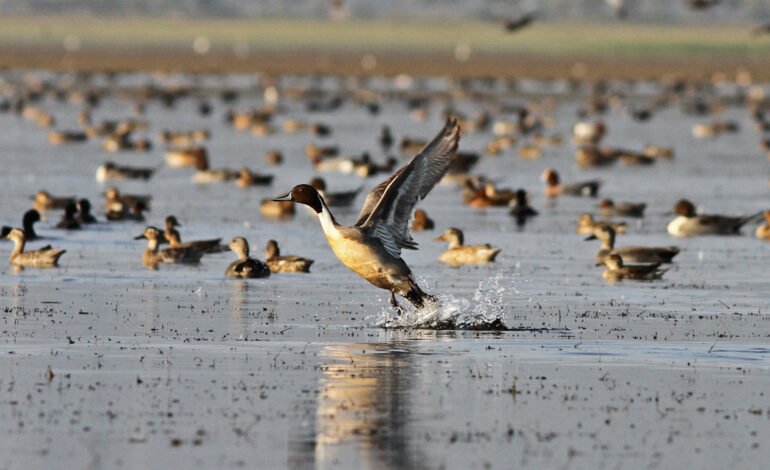
As winter arrives across South Asia, Bangladesh usually becomes a safe sanctuary for thousands of migratory birds that travel from Siberia, Mongolia, the Tibetan Plateau and northern China. These seasonal visitors have long found shelter in the country’s wetlands, beels, haors and coastal marshes. Their arrival once brought life and beauty to the landscape. But today their presence is becoming painfully rare.
Environmental experts and conservation groups warn that the number of migratory birds entering Bangladesh has dropped sharply. For a nation built on the blessings of rivers and wetlands, this decline signals a serious ecological crisis. The disappearance of these birds reflects the weakening health of ecosystems upon which millions of people depend.
Why Bangladesh Was Once a Key Stop for Migratory Birds
Bangladesh’s unique geography contains rivers, floodplains, freshwater lakes, and coastal wetlands that provide abundant food and shelter for birds fleeing the northern winter. When lakes in Siberia or Mongolia freeze, birds travel thousands of kilometres south to Bangladesh’s warmer waters.
Areas like Chalan Beel, Hakaluki Haor, Tanguar Haor, the Sundarbans and the coastal char regions were once filled with vibrant flocks of ducks, geese, storks and shorebirds. Their seasonal arrival supported natural balance by helping control insects, maintain aquatic life and enrich the soil. Wetland based communities also benefited from fishing, eco tourism and related activities.
Today many of these areas are witnessing silence where bird calls once filled the air.
The Decline Is Alarming What Experts Are Reporting
Multiple studies in South Asia show a severe decline in wintering migratory birds over the last two decades. Local communities report that places once crowded with birds are now nearly empty. Wetland boatmen and fishermen say that ten years ago they saw flocks almost every day. Now only a few scattered groups appear.
Wildlife expert Dr Enam Ul Haque has repeatedly warned that the disappearance of migratory birds threatens the ecological balance of Bangladesh. According to him, every species lost reduces the resilience of wetlands and weakens fish, water and crop cycles. It also erases part of Bangladesh’s natural heritage.
Causes Behind the Decline Human Actions and Climate Stress
Destruction of Wetlands and Loss of Habitat
A major reason for the decline is the widespread destruction of wetlands. Many haors and beels have been filled for agricultural plots, shrimp farms, factories, brick kilns and housing projects. As wetlands shrink, birds lose places to rest, feed and nest.
Pollution and Contaminated Water
Remaining wetlands are increasingly polluted with plastic, sewage, industrial waste and chemical runoff. Birds feeding on contaminated fish and insects suffer poisoning, disease and reduced survival rates.
Illegal Hunting and Trapping
Despite laws protecting migratory species, illegal hunting remains common in some regions. Birds are trapped using nets and snares or poisoned to supply black markets and local restaurants. Weak enforcement allows these harmful practices to continue.
Climate Change and Altered Migration Routes
Changing seasonal patterns, unexpected storms and rising temperatures disrupt traditional migratory routes. Some wetlands dry up earlier or flood unpredictably. Breeding seasons in northern regions are also shifting, confusing migratory timing.
Weak Conservation Enforcement
Although Bangladesh has several wildlife protection laws, many wetlands remain unprotected. Encroachment, illegal fishing enclosures and land grabbing often continue without consequences.
What the Shrinking Bird Population Means for Bangladesh and the World
The disappearance of migratory birds threatens more than nature. It affects economies, food security and cultural identity.
Loss of Ecosystem Balance
Migratory birds are essential for controlling pests, spreading seeds and enriching wetland soil. Their absence weakens the natural cycle that supports fish and agriculture.
Pressure on Food Security
Healthy wetlands support fish, crops and livestock. If bird populations fall, entire wetland ecosystems may collapse, affecting rural food production.
Decline of Eco Tourism
Birdwatching festivals and winter tourism once attracted visitors from home and abroad. Fewer birds mean fewer visitors and less income for local communities.
Cultural and Environmental Loss
Migratory birds have inspired poetry, art and rural folklore in Bengal for centuries. Losing them means losing part of the country’s cultural soul.
Global Biodiversity Risk
These birds do not belong to one nation. Their decline in Bangladesh reflects the stress felt across international flyways. The crisis is global, not local.
What Must Be Done Right Now
Experts agree that recovery is still possible if Bangladesh and the global community act quickly.
Protect and Restore Wetlands
The government must declare key wetlands as protected zones and stop all illegal filling, sand lifting and destructive industrial activities. Restoration projects should include clearing pollution, replanting aquatic vegetation and maintaining natural water flow.
Enforce Wildlife Laws Strictly
Poaching must be treated as a serious crime. Community based patrol groups and trained wildlife officers can help monitor vulnerable regions.
Promote Environmental Education
Schools, colleges and media must educate the public about the value of migratory birds. Citizen science groups, youth volunteers and local nature clubs can create awareness.
Create Sustainable Livelihoods
Eco tourism, guided birdwatching tours and sustainable fishing can give local communities alternative income so they do not rely on harmful practices.
Strengthen International Cooperation
Migratory birds cross borders. Bangladesh must collaborate with countries along major flyways to share data, protect habitats and prepare climate adaptation strategies.
Conduct Regular Bird Monitoring
Updated population data is essential for conservation planning. Local researchers and global partners should do annual bird counts and track migration using modern technology.
Bangladesh Can Still Save Its Winter Visitors
The silent wetlands of Bangladesh reflect a deeper environmental crisis. Migratory birds are more than seasonal visitors. They are indicators of the health of rivers, lakes and entire ecosystems. Saving them means saving the future of Bangladesh’s environment.
The decline is not irreversible. With strong policy, public awareness and international cooperation, Bangladesh can restore its wetlands and bring back the vibrant winter skies that once defined the landscape.
The birds may return in full flocks again but only if we provide them with a world safe enough to welcome them home.