


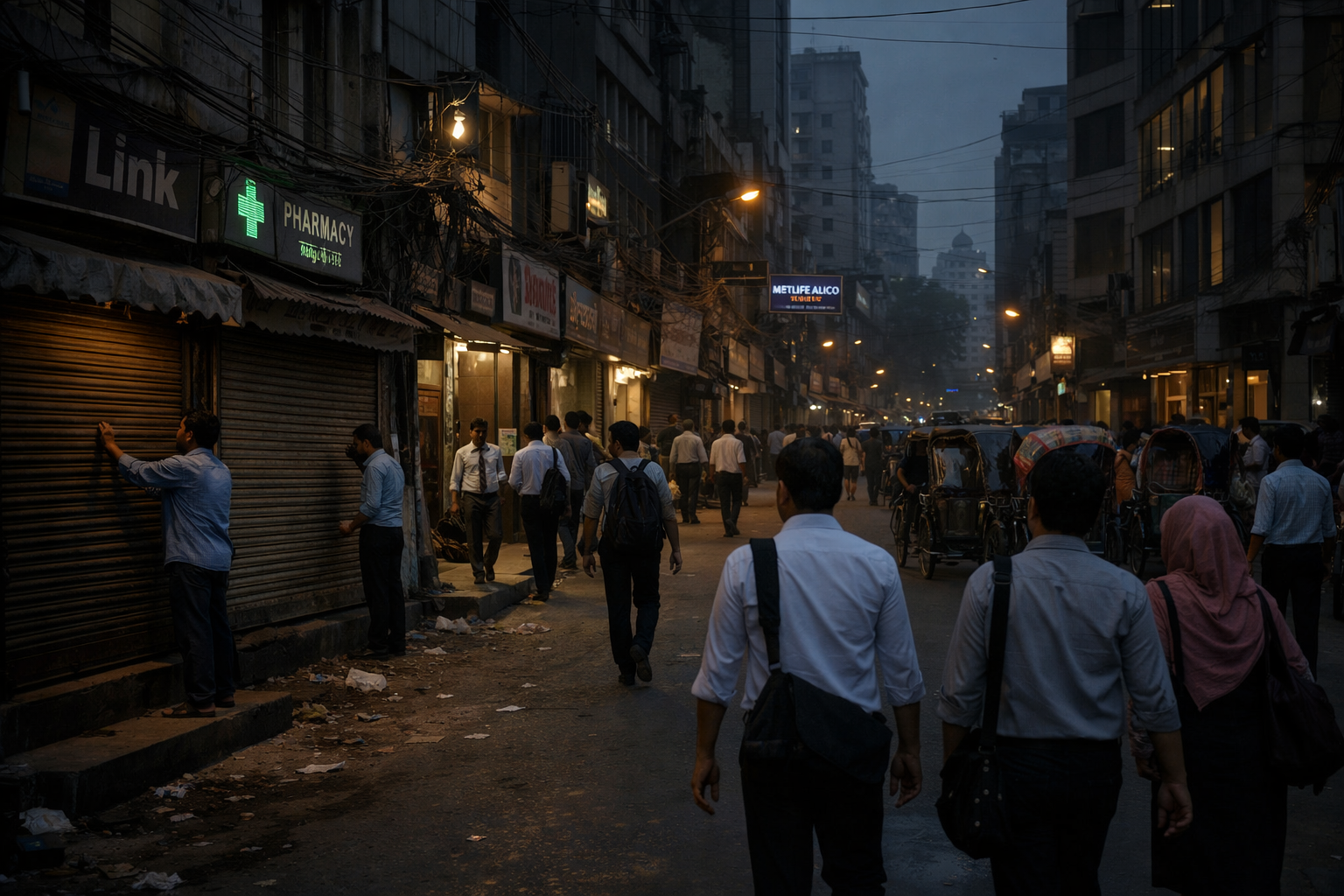

Shab e Qadr in Bangladesh: Prayers, Charity, Spiritual Devotion
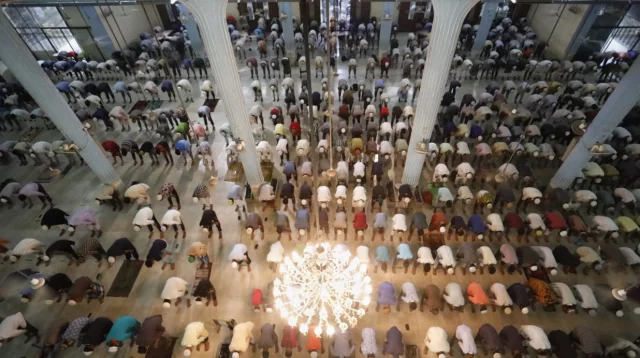

Laylatul Qadr in Bangladesh: Night-long Prayers, Charity and Spiritual Devotion
Shab-e-Qadr, also known as Laylatul Qadr (the Night of Decree), is one of the most sacred nights in Islam and holds deep spiritual significance for Muslims around the world. In Bangladesh, a Muslim-majority country, the night is observed with profound devotion, reflection, and religious activities. Mosques, homes, and communities across the country become centers of worship as believers spend the night praying and seeking forgiveness from Allah.
This special night falls during the last ten days of Ramadan, most commonly observed on the 27th night of the holy month, though Islamic teachings encourage believers to seek it during the odd nights of the final ten days. According to the Quran, this night is “better than a thousand nights,” meaning acts of worship performed during it carry immense spiritual rewards.
In Bangladesh, Shab-e-Qadr is marked by a combination of religious devotion, community gatherings, and personal reflection.
Religious Significance of Shab-e-Qadr
For Muslims, Shab-e-Qadr commemorates the night when the first verses of the Holy Quran were revealed to Prophet Muhammad (PBUH). This event marks the beginning of divine guidance for humanity.
Because of its significance, Muslims believe that prayers and good deeds performed on this night are rewarded many times more than those performed on ordinary nights. As a result, believers try to spend the entire night engaged in worship, repentance, and spiritual reflection.
In Bangladesh, religious scholars and mosques emphasize the importance of this night through sermons, discussions, and special prayer sessions.
Night-long Prayers in Mosques
One of the most prominent ways Shab-e-Qadr is celebrated in Bangladesh is through night-long prayers in mosques. After the regular Isha and Taraweeh prayers, mosques organize additional prayers, supplications, and recitations of the Quran.
Large mosques such as Baitul Mukarram National Mosque in Dhaka host special religious programs that include sermons and collective prayers focusing on the significance of Laylatul Qadr.
Mosques across the country also arrange:
- Waz-mahfil (religious sermons)
- Milad-mahfil (gatherings to praise the Prophet)
- Doa-mahfil (collective prayers)
- Special munajat (supplication) at midnight
These events often attract thousands of worshippers who seek Allah’s mercy and blessings.
Recitation of the Holy Quran and Zikr
Another important aspect of observing Shab-e-Qadr in Bangladesh is the recitation of the Holy Quran. Many believers spend hours reading or listening to the Quran during the night.
Along with Quran recitation, Muslims engage in zikr, which involves repeatedly remembering and praising Allah through specific prayers and supplications. This spiritual practice helps believers focus on self-reflection and repentance.
In many households, families gather together to read from the Quran and perform additional voluntary prayers known as nafl prayers.
Visiting Graveyards and Remembering the Departed
In Bangladesh, visiting graveyards on Shab-e-Qadr is a common practice. People go to cemeteries to pray for their deceased relatives and loved ones.
During these visits, they recite verses from the Quran and ask Allah to grant forgiveness and peace to the departed souls. This tradition reflects the strong cultural emphasis on remembering family members and maintaining spiritual connections with those who have passed away.
Graveyards across cities and villages often remain open late into the night as families come to offer prayers.
Charity and Acts of Kindness
Charity is another important element of Shab-e-Qadr observance in Bangladesh. Many Muslims choose this night to perform acts of generosity because the rewards for good deeds are believed to be multiplied.
Common charitable activities include:
- Donating money to the poor
- Distributing food among neighbors and the needy
- Providing assistance to mosques or religious institutions
In some communities, families prepare meals or sweets to share with neighbors and underprivileged people. This reflects the Islamic teaching that helping others is one of the best forms of worship.
Government and Media Observance
Shab-e-Qadr is also recognized at the national level in Bangladesh. The government typically declares the following day a public holiday, allowing people to spend the night in prayer and rest the next day.
Media organizations play a role in highlighting the importance of the night. Television channels, radio stations, and newspapers broadcast and publish special programs, discussions, and articles explaining the significance of Laylatul Qadr.
These programs often feature Islamic scholars discussing topics such as:
- The virtues of Shab-e-Qadr
- The importance of prayer and repentance
- Lessons from the revelation of the Quran
Such initiatives help educate the public and encourage spiritual reflection.
Family and Community Atmosphere
Although Shab-e-Qadr is primarily a religious occasion, it also fosters a strong sense of community and family bonding in Bangladesh.
Many families spend the evening preparing for the night’s worship by arranging prayer spaces at home. Some households invite relatives or neighbors to join them in prayer or Quran recitation.
Children are often encouraged to stay awake and participate in the prayers, learning about the importance of the night from their elders.
In rural areas, mosques often become community gathering points where villagers come together for collective worship and discussion.
Spiritual Reflection During Ramadan
The observance of Shab-e-Qadr also reflects the broader spiritual atmosphere of Ramadan in Bangladesh. Throughout the month, Muslims engage in fasting, increased prayer, charity, and acts of kindness.
Shab-e-Qadr serves as the spiritual climax of this month-long period of devotion. Believers view the night as an opportunity to seek forgiveness for past mistakes and pray for guidance in the future.
Many Muslims also make personal resolutions on this night, hoping to continue positive habits such as regular prayer and charity even after Ramadan ends.
Looking Ahead
Shab-e-Qadr holds a special place in the religious life of Muslims in Bangladesh. Observed with deep reverence and devotion, the night is marked by prayers, Quran recitation, charity, and remembrance of loved ones.
From crowded mosques in major cities to quiet family gatherings in villages, the observance of this sacred night reflects both the spiritual commitment and cultural traditions of Bangladeshi Muslims.
Ultimately, Shab-e-Qadr is not only a night of worship but also a time for reflection, forgiveness, and renewed faith reminding believers of the enduring spiritual values at the heart of Islam.