

Untold Story of the Only Indigenous Woman Awarded the Bir Protik
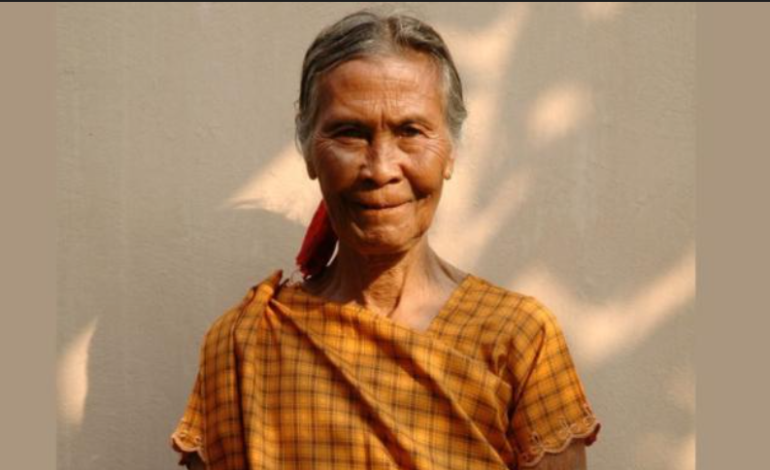

The Untold Story of the Only Indigenous Woman Awarded the Bir Protik: A Legacy of Courage and National Pride
In the history of Bangladesh’s Liberation War of 1971, countless acts of courage and sacrifice remain etched in the nation’s collective memory. Among these stories stands one of the most remarkable yet relatively untold: the story of the only indigenous woman Kankan Heninchita to be awarded the Bir Protik, one of the nation’s highest gallantry awards. Her journey is not only a testament to individual bravery but also a powerful narrative of inclusion, identity, and the contributions of indigenous communities in the struggle for Bangladesh’s independence.
This story brings to light how courage transcends social boundaries and how recognizing diverse contributions enriches the nation’s sense of unity and belonging.
Bir Protik: Symbol of Bravery and Sacrifice
The Bir Protik medal is the fourth highest gallantry award in Bangladesh. It is bestowed on individuals who have shown extraordinary courage and devotion in the face of grave danger during the Liberation War of 1971. The word “Bir” means brave, and “Protik” means symbol, making the title a symbolic recognition of valor.
Over the years, many Bangladeshis, men and women have been honored with this award for acts of gallantry, ranging from frontline combat to covert support operations. However, the stories of many awardees, especially those from minority communities, have often been overshadowed in mainstream historical accounts.
A Pioneer of Courage: The Story of the Indigenous Woman Hero
The woman at the center of this story was born into an indigenous community whose cultural heritage and language added rich diversity to the social fabric of Bangladesh. When the Liberation War broke out in 1971, she did not stand aside; instead, she chose to participate actively in the struggle for national freedom.
In a time of intense conflict and danger, she took on roles that were far from traditional expectations. Some of her contributions included:
- Providing vital support to freedom fighters
- Carrying messages and supplies through hostile territory
- Assisting wounded combatants
- Engaging in operations that required exceptional physical courage and mental resilience
Despite facing the double burden of war and marginalization as an indigenous woman, she remained steadfast in her commitment to the cause of freedom for all Bangladeshis.
Her contribution was later recognized with the Bir Protik award, a historic moment that made her the only indigenous woman to receive this honor.
The Significance of Her Recognition
Breaking Stereotypes and Expanding National Narrative
Her recognition with the Bir Protik award challenges many stereotypes. Historically, narratives of war heroes tend to focus on frontline combatants or politically prominent figures. In contrast, her story expands the understanding of who can be a hero: someone whose bravery was neither distant nor symbolic, but direct, courageous, and deeply personal.
By honoring an indigenous woman, Bangladesh acknowledged that valor knows no ethnic, gender, or cultural boundary. Her example invites a more inclusive view of national identity one that honours contributions from all sections of society.
Highlighting Indigenous Contributions in National History
Indigenous communities in Bangladesh, including Santals, Garos, Chakmas, and many others, have long contributed to the nation’s cultural richness. However, their representation in national histories, particularly in stories of the Liberation War has often been limited.
By bringing her story to the fore, historians and educators have a stronger opportunity to include indigenous perspectives in school curricula, public commemorations, and cultural archives. This recognition helps rectify historical omissions and ensures that future generations understand the full breadth of contributions that shaped the nation.
Empowering Women in Patriarchal Contexts
Her achievement as an indigenous woman also underscores the critical role of women in war and peace. Women in the Liberation War served as combatants, medics, intelligence couriers, and logistic supporters. Yet their stories have not always been fully documented or recognized.
Her recognition with a prestigious gallantry award highlights the need for gender-inclusive historical narratives. It elevates the voices of women who chose courage despite social and cultural obstacles, empowering new generations of girls and women to see themselves as agents of change.
Reflections From Community and Family
For many in her indigenous community, her bravery is a source of immense pride. Elders and community members have expressed that her achievements resonate not just as personal honor but as validation of the community’s shared struggles and aspirations.
Family members have shared memories of her quiet resilience, how she balanced daily life with moments of extraordinary courage. Their reflections paint a fuller picture of who she was: not only a war hero but a daughter, sister, and role model within her community.
Such personal accounts further humanize the historical record, reminding historians and readers alike that war heroes were also ordinary individuals placed in extraordinary circumstances.
Indigenous Peoples and the Liberation War
Bangladesh’s indigenous communities were not monolithic in their involvement in the Liberation War. Many individuals from these communities aligned with the broader cause of liberation, contributing in varied capacities:
- Joining local resistance units
- Providing shelter and local knowledge
- Assisting in communication networks
- Supporting medical and humanitarian efforts
These contributions reflect a shared desire for freedom, dignity, and equality that transcended ethnic lines. However, due to social marginalization and limited historical documentation, many of these stories remained less visible in mainstream historical accounts.
This makes the story of the only indigenous woman Bir Protik recipient all the more important. It urges historians, writers, educators, and the public to broaden the lens through which the Liberation War is understood and taught.
Preserving and Sharing Her Legacy
In recent years, there have been growing calls among scholars, civil society organisations, and community leaders to preserve and share her legacy more widely. Such efforts include:
Documentaries and oral history projects that record firsthand accounts
Inclusion in academic curricula
Public commemorations and memorials
Biographical books and articles aimed at younger audiences
By preserving her story in multiple formats, the nation can ensure that her courage continues to inspire, educate, and unite people across generations.
Education and National Identity
Her story is not simply a historical footnote; it plays a role in shaping national identity. When schoolchildren learn that the struggle for independence included brave individuals from different backgrounds, including indigenous women, it broadens their understanding of what it means to be Bangladeshi.
Education systems that highlight diverse contributions help foster respect for difference and a deeper sense of shared heritage. Students who learn about her courage are more likely to understand that the Liberation War was a collective effort involving people of all walks of life.
Inclusive Histories Matter
Her story resonates beyond Bangladesh. Across the world, nations are revisiting historical narratives to include voices of women, indigenous peoples, ethnic minorities, and other underrepresented groups. Such inclusive histories serve multiple purposes:
- Rectifying historical oversight
- Building more comprehensive national narratives
- Empowering marginalised communities
- Fostering social cohesion
In this context, her recognition with the Bir Protik award aligns with global movements that highlight diverse contributions to national and global history.
Her legacy offers a powerful example for other countries working to elevate stories of indigenous and female heroes whose roles were previously minimized or overlooked.
The Ongoing Work of Recognition
Although she received one of the nation’s highest gallantry awards, advocates argue that her story should be more prominently recognised in national commemorations, textbooks, museums, and public memory.
There are ongoing efforts by historians, activists, and community groups to:
Digitise war records featuring indigenous participants
Organise public exhibitions about diverse liberation stories
Publish research on underrepresented freedom fighters
Host events where younger generations can engage with these narratives
Such work ensures that the recognition goes beyond one award and becomes part of a sustained effort to appreciate the full spectrum of wartime contributions.
A Legacy of Courage and Inclusive Nationhood
The story of the only indigenous woman awarded the Bir Protik for her bravery in the Liberation War is one of courage, resilience, and pride. It enriches Bangladesh’s historical narrative by demonstrating that heroism was not confined to any single group but was a shared aspiration across ethnic, cultural, and gender divides.
Her legacy calls on Bangladesh to expand its collective memory, to honour the diverse faces of sacrifice, and to ensure that future generations learn a history that is both rich and inclusive. Such an approach strengthens national identity, inspires citizens, and honours the myriad contributions that helped shape modern Bangladesh.
In remembering her story, the nation not only pays tribute to one remarkable woman but also affirms that courage and sacrifice belong to all.