


How Robotics Education Is Powering Bangladesh’s Next Generation

A turning point for technology focused learning
Robotics education in Bangladesh has entered a decisive phase. What once existed only in elite institutions now reaches schools, colleges, and universities nationwide. Students are learning how to build machines, write code, and solve problems logically. This shift signals a move away from rote learning toward skills that match future demands.
Bangladesh aims to build a knowledge based economy. Robotics education supports this goal by preparing students for innovation driven careers. As global industries change, this transition becomes increasingly important.
What robotics education means in Bangladesh today
Robotics education in Bangladesh blends science, mathematics, engineering, and coding into practical learning. Students do not only study theory. They design systems, test ideas, and improve results through trial and error.
This approach builds confidence and curiosity. Students learn how technology works in real life settings. As a result, learning becomes engaging and meaningful.
Early foundation through school level programs
Schools play a growing role in robotics education in Bangladesh. Many institutions now run robotics clubs and STEM labs. These programs introduce students to basic coding, sensors, and mechanical design.
Early exposure builds strong foundations. Students develop logical thinking and creativity at a young age. Over time, this helps them perform better in science and mathematics.
Colleges and universities shaping advanced skills
Colleges and universities strengthen robotics education through structured courses and projects. Engineering programs offer robotics, mechatronics, and automation focused subjects. Project based learning remains central to these programs.
Students work in labs and innovation centers to solve real problems. Many also participate in research and competitions. These experiences prepare graduates for professional and academic careers.
Competitions driving national interest
Robotics competitions have transformed interest levels across Bangladesh. Events like the International Robot Olympiad inspire students to think globally. Bangladesh has participated in this competition since 2018.
Over eight years, Bangladeshi students won 94 medals, including 15 gold medals. These results highlight steady improvement and growing confidence. Competitions motivate students and raise education standards.
Recent international success and its impact
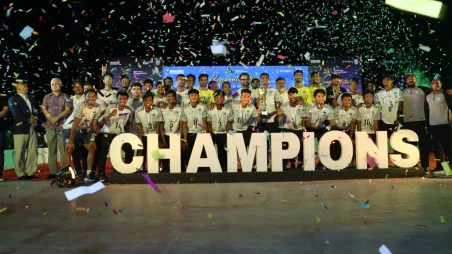
In December 2025, Bangladesh won 11 medals at the International Robot Olympiad in Australia. The team secured one gold, six bronze, and four technical awards. This achievement received national attention.
Such success encourages parents, schools, and policymakers to invest further in robotics education. It proves that Bangladeshi students can compete at the highest level.
Government support and policy direction
The government actively supports robotics education in Bangladesh. The Ministry of Posts, Telecommunications and Information Technology and the ICT Division fund training programs and competitions.
These initiatives align with the Smart Bangladesh vision for 2041. Robotics education builds future ready skills and supports digital transformation. Government backing ensures wider access and continuity.
Role of the ICT Division in skill building
The ICT Division sponsors robotics camps, labs, and national selection programs. It also supports teacher training and innovation hubs. These efforts improve education quality and consistency.
Structured training prepares students for global standards. Mentorship from experts strengthens technical depth. As a result, overall performance improves year after year.
Contribution of private and community initiatives
Private organizations and tech communities also support robotics education in Bangladesh. Coding schools, startups, and non profit groups organize workshops and boot camps. Many programs target students outside major cities.
Community driven learning expands access. Online platforms further reduce barriers. Together, these efforts make robotics education more inclusive.
Skills robotics education develops
Robotics education develops critical thinking, teamwork, and communication skills. Students learn persistence through problem solving. They also gain confidence by presenting ideas and results.
Studies show students engaged in robotics perform better academically. These skills benefit learners beyond technology fields. Robotics builds adaptable and resilient individuals.
Preparing students for future careers
Automation and artificial intelligence continue to reshape global job markets. Robotics education prepares students for these changes. Graduates can work in manufacturing, software, automation, and research.
Bangladesh’s ICT sector continues to grow steadily. Robotics skills expand employment opportunities locally and globally. This makes robotics education a long term investment.
Robotics and industrial transformation
Bangladesh’s industries increasingly adopt automation. Robotics improves efficiency and safety. Skilled professionals become essential for this transition.
Education institutions now align programs with industry needs. Collaboration between universities and industries continues to increase. This strengthens workforce readiness.
Challenges that still exist
Despite progress, challenges remain. Many schools lack proper labs and trained teachers. Equipment costs also limit access in rural areas.
Teacher training requires expansion. Infrastructure gaps affect consistency. Addressing these challenges needs coordinated national efforts.
Efforts to improve access and inclusion
Programs now focus on inclusion. Scholarships and free training camps support talented students. Awareness campaigns encourage girls to join robotics programs.
Mobile labs and regional workshops reduce geographic barriers. Online learning further expands reach. These steps improve equity nationwide.
Integrating robotics into the curriculum
Experts recommend integrating robotics into national curricula. Early exposure ensures uniform learning standards. Pilot programs already test this approach.
Curriculum integration would reach millions of students. It would also improve quality and consistency. Policymakers continue to explore this option.
Teachers and mentors as key drivers
Teachers play a vital role in robotics education. Training programs now focus on skill development for educators. Mentors guide students through complex challenges.
Strong mentorship improves learning outcomes. Teachers connect theory with practice. Investment in educators remains essential.
Social and economic benefits for the nation
Robotics education supports economic diversification. It reduces reliance on low skill labor. Technology driven jobs create higher value.
Socially, robotics builds confidence and innovation. Students learn to solve local problems. These benefits support sustainable development.
Stories that inspire the next generation
Students from public colleges and private schools now excel globally. Their stories inspire younger learners. They show that dedication and guidance matter.
Parents and schools increasingly support robotics programs. This positive cycle continues to grow nationwide.
The road ahead for robotics education
Robotics education in Bangladesh continues to evolve. With consistent support, it can transform education and industry. Young innovators already demonstrate strong potential.
Sustained investment and collaboration remain essential. The foundation is strong and promising.
Building a smarter Bangladesh through robotics
Robotics education represents a national opportunity. It prepares youth for global challenges. It also fosters creativity and confidence.
With vision and commitment, Bangladesh can emerge as a regional innovation hub. Robotics education will shape that future.