


Govt to Ensure Futsal, Indoor Courts in Every Ward in Bangladesh

Government to Ensure Futsal Courts and Sports Facilities in Every Ward Across Bangladesh
In a bold new move aimed at addressing the long‑standing shortage of playgrounds and sports facilities throughout Bangladesh, the Government has announced plans to ensure futsal courts and multipurpose recreational areas in every ward of the country. This initiative driven by the Ministry of Youth and Sports is expected to have far‑reaching benefits for youth development, community health, and grassroots engagement in sports.
The announcement came during the first meeting of the newly formed Central Committee tasked with identifying and preparing land for playgrounds and sports areas in both urban and rural regions. State Minister for Youth and Sports, Aminul Haque, emphasized the urgent need for these facilities, especially in highly populated cities like Dhaka, where green space and playing fields have dramatically declined in recent years.
The State of Sports Grounds in Bangladesh
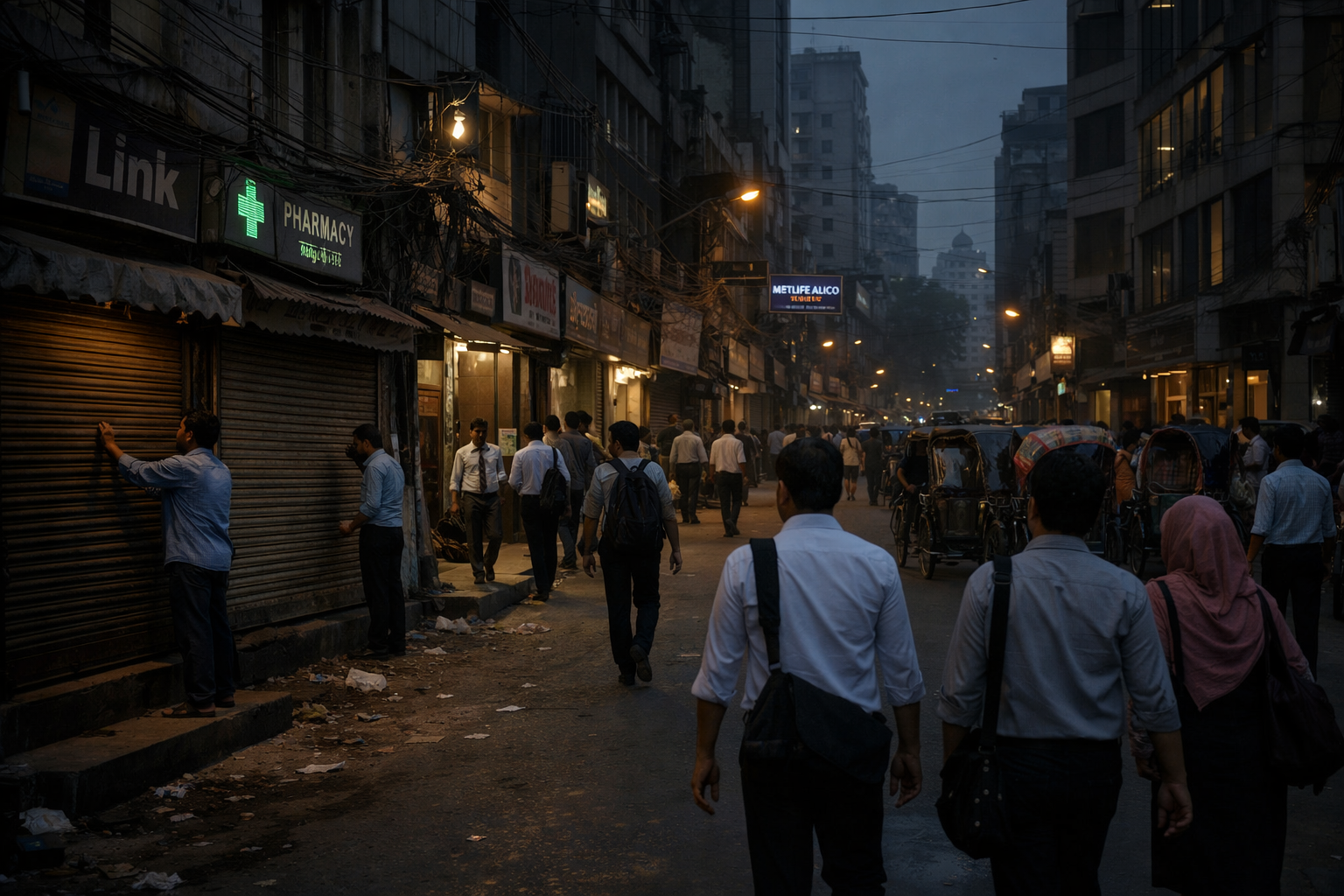
Bangladesh has historically struggled with a limited number of public sports facilities. Rapid urbanization, rising real estate prices, and poor infrastructure planning have led to parks and open spaces being swallowed by construction and development projects. In parts of Dhaka City alone, up to 37 wards reportedly have no playgrounds or parks at all a situation that severely limits opportunities for children and teens to engage in outdoor sports.
This scarcity affects not just casual play, but also organized sports and talent development. Without access to basic playing fields, aspiring young athletes face substantial barriers to honing their skills in popular games like football, cricket, and futsal. The new government plan hopes to change this narrative by making sports facilities more equitable and accessible nationwide.
What the New Plan Includes
-
Dedicated Futsal Courts in Every Ward
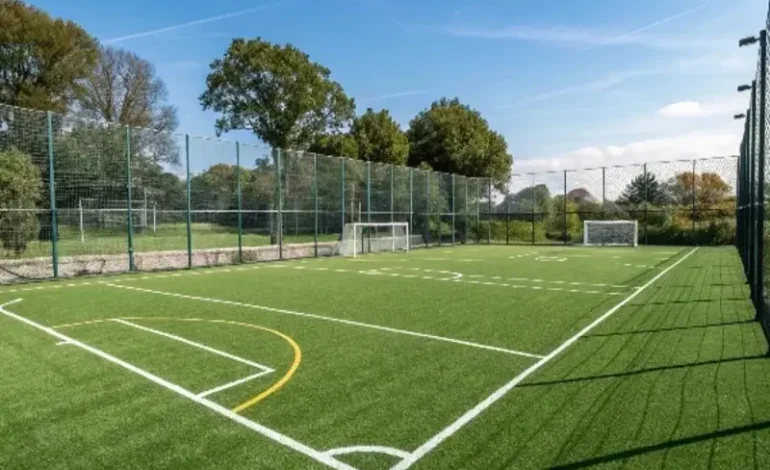
At the heart of the initiative is the promise to build futsal courts in every ward of Bangladesh. Futsal, a fast‑paced, smaller‑sided variant of football played on hard courts has soared in popularity among the youth, both as a recreational activity and as an avenue for developing football skills.
Unlike traditional large football fields, futsal courts can fit into smaller urban spaces and provide a high‑intensity playing surface for multiple age groups. These courts can serve multiple purposes: competitive matches, casual games, community sports events, and even as venues for coaching young talent. This flexibility makes futsal an ideal choice for dense neighborhoods where large open fields are scarce.
-
Multi‑Use Playgrounds and Recreational Areas
The government’s strategy goes beyond just futsal. The plan calls for multi‑purpose playgrounds that can accommodate a variety of sports from volleyball and basketball to cricket practice nets and children’s play zones. Such areas will help ensure that people of all ages and interests have a place to stay active, social, and healthy.
-
Centrally Located and Community‑Focused
One of the key priorities highlighted by officials is that playgrounds and courts must be centrally located within communities. Rather than being placed on the outskirts of wards or unions (local village administrative units), the new facilities will be situated where most people live, ensuring convenient access by foot or local transport.
This planning emphasis is important. In many neighborhoods, existing open spaces can be difficult to reach or are located in under‑serviced areas. Centrally placed sports facilities not only boost participation but also increase safety and frequency of use.
-
Walkways for All Ages
The vision extends to walkways surrounding the fields, designed for community members of all ages especially senior citizens who can benefit from safe, scenic paths for walking and light exercise. This inclusive design reflects a broader vision of recreation beyond competitive sports, embracing community health and leisure.
-
Unions and Upazila Headquarters to Get Fields
In addition to wards, the committee also decided that one playground will be designated in every union and at upazila (sub‑district) headquarters, ensuring that rural areas also see improvements in facilities. This tiered approach aims to reduce gaps between urban and rural access to sports and play spaces.
Why This Matters: Community & Youth Impact
-
Boosting Physical Health and Well‑Being
Access to safe and well‑equipped outdoor spaces directly supports physical activity. Sports like futsal provide cardiovascular benefits, improve coordination, and encourage healthy habits among children and adults alike. Regular activity also plays a role in preventing lifestyle‑related conditions like obesity and diabetes. While these are global trends, improved local facilities mean communities in Bangladesh can more easily adopt active lifestyles.
-
Mental Health and Social Skills
Playgrounds and sports areas serve as community hubs where young people meet, interact, and build friendships. The social engagement from team activities fosters communication skills, leadership, and resilience — crucial traits for personal development. Without such spaces, many youths spend increased time indoors, potentially leading to negative mental health outcomes.
-
Grassroots Talent Development
By embedding futsal and other sports infrastructure within communities, Bangladesh also strengthens its grassroots sports ecosystem. Children who gain early access to quality playing spaces are more likely to pursue sports seriously potentially feeding into school teams, clubs, and even national representation. Futsal, for example, is known for developing close ball control and quick decision‑making skills that translate well into outdoor football.
-
Reducing Crime and Engaging Youth
Lack of recreational spaces has been linked to juvenile restlessness and engagement in unproductive activities. While infrastructure alone cannot solve complex social issues, providing dedicated sports facilities offers youth a positive outlet for energy, creativity, and teamwork, a potential factor in reducing juvenile misconduct.
Implementation Challenges and Considerations
Moving from announcement to reality will involve challenges. Urban areas like Dhaka face land scarcity, making it hard to find suitable plots for large playing fields. The government plans to work with city corporations, the Public Works Department, and educational institutions to identify and repurpose available land.
In some wards where land is extremely limited, officials propose creative solutions such as shared fields between two or three wards. While this can help maximize usage, it requires careful community coordination and maintenance planning to ensure fair access.
Funding and maintenance will also be key. Building facilities is only the first step; keeping them clean, safe, and functional over time requires ongoing investment and local participation.
Broader Sports Policy Context in Bangladesh
This initiative aligns with broader governmental goals to promote sports and recreation across sectors. Recent planning documents from Bangladesh’s economic and development portfolios emphasize the importance of sports and recreational infrastructure, including playgrounds, courts, and training facilities, as part of national development strategies.
Additionally, other announcements by the State Minister have outlined plans for indoor sports villages in every district and cooperation with the private sector to build sports industries and support talented athletes. These policies indicate a long‑term commitment to elevating Bangladesh’s sports profile both domestically and internationally.
A Sporting Future for All
The government’s plan to ensure futsal courts and sports facilities in every ward is a transformative proposal that promises to redefine how communities engage with sports in Bangladesh. From improving physical health and fostering youth talent to strengthening social bonds and community identity, this initiative has the potential to impact every corner of the country.
With thoughtful implementation, adequate funding, community involvement, and equitable access, Bangladesh could soon see a new era where every child, adult, and elder has a safe, fun, and vibrant place to play, walk, and stay active.