



From Tea Stall to Trend: How Local Hangout Spots Shape City Culture
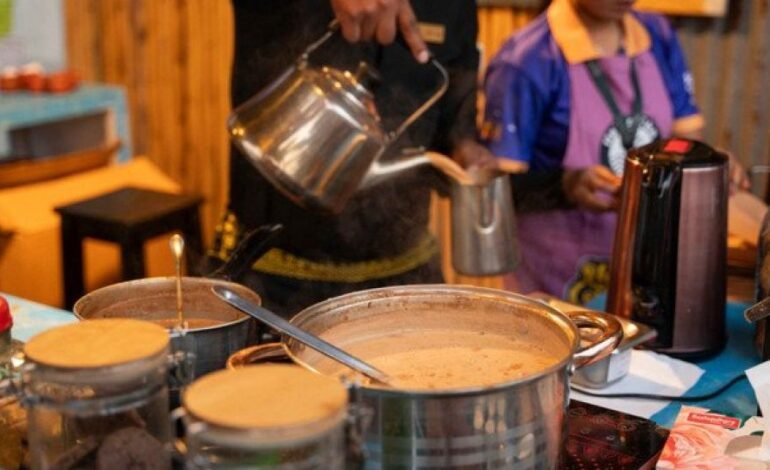

From Tea Stall to Trend: How Local Hangout Spots Shape City Culture in Bangladesh
In Bangladesh, some of the most powerful cultural spaces are not found in auditoriums, galleries, or cafés, but beside dusty roads, narrow alleys, and bustling intersections. The tea stall, known locally as the tong or chayer dokan, is one of the most enduring and influential social institutions in the country. From a cultural anthropology perspective, these informal hangout spots play a central role in shaping how Bangladeshi cities think, talk, and evolve.
Whether in Dhaka, Chattogram, Rajshahi, or Barishal, tea stalls serve as everyday meeting points where urban life unfolds organically. They are spaces where class boundaries soften, public opinion forms, and collective identity is quietly negotiated.
The Tea Stall as Bangladesh’s Most Democratic Space
In Bangladesh’s urban and semi urban landscape, tea stalls are among the few truly democratic public spaces. Entry requires no invitation, no dress code, and very little money. A cup of tea costs almost nothing, yet it grants access to conversation, companionship, and community.
From an anthropological lens, this openness is crucial. Tea stalls bring together rickshaw pullers, garment workers, students, journalists, shopkeepers, and office clerks in a way few other spaces can. In a society marked by sharp economic and social divides, these everyday interactions foster a sense of shared belonging within the city.
Adda Culture and the Bangladeshi Urban Mind
Adda, the art of long, informal conversation, is deeply embedded in Bangladeshi culture. Tea stalls are its natural habitat. Here, people talk without urgency, often for hours, discussing everything from local gossip to global politics.
Anthropologists view adda as a cultural practice that strengthens social bonds and transmits values. In Bangladesh, adda helps people process rapid urban change, economic pressure, and political uncertainty. Through repeated conversations, individuals form opinions, refine arguments, and learn how to participate in public life.
In many ways, the city thinks out loud at its tea stalls.
Political Awareness Born at the Roadside
Long before social media timelines and televised talk shows, tea stalls were Bangladesh’s original public forums. Even today, they remain vital spaces for political discussion.
During elections, protests, or national crises, tea stalls become information exchange hubs. Newspapers are shared, speeches are dissected, and rumors are tested against lived experience. For many citizens, especially those with limited access to formal media, tea stall conversations shape political understanding more powerfully than official announcements.
From a cultural anthropology perspective, this grassroots political engagement is essential to Bangladesh’s civic culture. It reflects how democracy is practiced not just through voting, but through daily discussion.
Economic Life and Informal Trust Networks
Tea stalls are also embedded in Bangladesh’s informal economy. They provide livelihoods for thousands of small vendors, many of whom operate without formal licenses or bank accounts. Yet these businesses survive through social trust.
Regular customers are often allowed to drink tea on credit. Prices may vary based on relationship rather than fixed menus. This flexibility illustrates what anthropologists call a moral economy, where social obligation and reciprocity guide economic behavior.
In dense cities like Dhaka, such informal networks help people survive rising living costs and economic uncertainty.
From Tong to Trendy Café
In recent years, elements of tea stall culture have begun influencing Bangladesh’s formal urban spaces. Modern cafés like chaa and chill, Tong er Chaa, increasingly adopting the simplicity, openness, and conversational atmosphere of traditional tea stalls.
Shared seating, casual decor, and emphasis on community reflect an effort to recreate the authenticity of roadside hangouts. This transition shows how cultural practices travel upward. What once belonged to working class streets now inspires middle class leisure spaces.
Anthropologically, this shift highlights how Bangladeshi cities modernize by repackaging their own traditions rather than importing entirely foreign models.
Youth Culture and Creative Exchange
Bangladesh’s young population has given new life to traditional hangout spots. Students, aspiring writers, musicians, and activists often gather at familiar tea stalls to exchange ideas and plan projects.
These spaces function as informal creative incubators. Poetry, political slogans, and cultural commentary often emerge from casual conversations over tea. For many young people who lack access to formal platforms, tea stalls provide a low pressure environment to experiment with ideas.
This dynamic shows how culture renews itself through everyday interaction rather than institutional planning.
Tea Stalls and Urban Memory
Tea stalls also serve as repositories of urban memory. Long time stall owners often know the history of their neighborhoods better than any archive. They remember when roads were narrower, when floods came, when protests passed through, and when new buildings rose.
Anthropologists emphasize the importance of such memory keepers in understanding how cities change. In Bangladesh, where rapid urbanization often erases physical history, tea stall stories preserve a sense of continuity.
Resilience in Times of Crisis
During economic downturns, political unrest, or public health emergencies, tea stalls adapt quickly. They relocate, adjust prices, or operate quietly to survive. Their resilience mirrors that of the city itself.
For many Bangladeshis, returning to a familiar tea stall after a difficult day provides emotional stability. These spaces offer not just refreshment, but reassurance that communal life continues despite uncertainty.
Conclusion
In Bangladesh, tea stalls are far more than places to drink tea. They are cultural engines that shape conversation, politics, creativity, and community. Viewed through a cultural anthropology lens, these modest hangout spots reveal how cities truly function from the ground up.
As Bangladesh’s cities grow taller and faster, the humble tea stall remains a reminder that culture is built not only in institutions, but in everyday encounters.
‘”From roadside benches to urban trends, the tea stall continues to quietly define the soul of city life.”