




Food Price Hikes in Ramadan— Trend or Manipulation?

Ramadan 2026: Price Hikes — Seasonal Demand or Market Manipulation?
As Ramadan begins, the price of households goods saw a big rise in a dramatic manner in Bangladesh. From rice and lentils to edible oil, sugar, and dates, shoppers notice higher cost tags at markets across Dhaka, Chattogram, Rajshahi, and beyond. With the holy month now underway, this pattern has sparked intense discussion: Is this a natural seasonal trend tied to increased demand, or evidence of market manipulation and unfair pricing during Ramadan?
For many families in Bangladesh, Ramadan is a time of spiritual reflection, community sharing, and generosity. But rising food costs, creates stress for low-income households.
Ramadan and Rising Food Demand: What Happens in Bangladesh
In Bangladesh, the month of Ramadan is not only spiritually significant but also socially immersive. Preparing for fasting and nightly iftars requires families to purchase:
- Staple grains (rice, flour)
- Pulses (lentils, chickpeas)
- Edible oil for cooking traditional dishes
- Sugar and sweeteners for desserts and beverages
- Dates, which are widely consumed to break the fast
- Protein sources (eggs, poultry, fish, goat meat)
This surge in demand particularly for iftar meals tends to peak in the first two weeks of Ramadan, creating temporary upward pressure on prices. It’s a pattern seen year after year, and many economists describe it as a typical seasonal response to heightened demand.
However, when price increases accelerate faster than expected based on demand alone especially on commonly consumed items, consumers and analysts begin asking tougher questions.
Real-Time Price Movements in Ramadan
Market observers and consumers have reported several price trends in Ramadan 2026:
Rice: A staple for nearly every Bangladeshi household, rice has seen moderate price increases in retail shops. Wholesale prices in major hubs like Dhaka’s Karwan Bazar rose in the first week of Ramadan, reflecting higher purchases.
Edible Oil: Edible oil, essential for frying popular iftar snacks has seen one of the sharper increases. Multiple retail outlets have adjusted prices upward by amounts larger than expected just from demand alone.
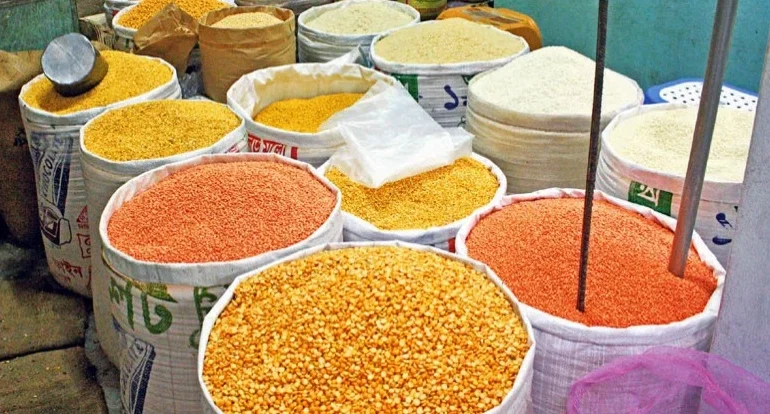
Lentils and Pulses: Prices for lentils, especially red lentils (masoor dal), have also moved upward.
Sugar and Dates: Traditionally, sugar and dates experience notable price spikes ahead of and during Ramadan. In 2026, imported dates, particularly premium varieties have become noticeably more expensive in urban markets.
Protein Sources: Prices for poultry and fish have also trended upward, partly due to supply chain costs and increased consumption during iftar and sahri meals.
Seasonal Demand: An Incomplete Explanation
Seasonal demand is a strong factor in these price movements. Before and during Ramadan, many households stock up on essentials to prepare for daily fasting routines. This increased buying concentrated over a short period naturally pushes wholesale demand higher and can translate into retail price changes.
Economists describe this as a short-term demand shock.
However, seasonal demand alone cannot fully explain:
- Disproportionate price increases in certain items
- Prices rising before noticeable changes in overall demand
- Sudden price differences between nearby markets
These patterns suggest that market dynamics and trader behavior also play a role.
The Role of Supply Chains and Logistics
Bangladesh’s food supply chains involve multiple layers from importers and wholesalers to transporters, cold storage facilities, and retail outlets. Any increase in transportation costs, storage fees, or supply disruptions can ripple through to final retail prices.
In Ramadan, some of the contributing supply-side factors include:
- Higher transportation and fuel costs
- Import timing and foreign exchange impacts
- Variable storage capacity for perishables
- Local disruptions in production (e.g., poultry feed price increases)
These structural challenges affect normal market conditions. When combined with strong seasonal demand, prices can rise even without intentional price manipulation.
Accusations of Market Manipulation and Hoarding
Despite seasonal explanations, many consumer complaints have centred on perceived market manipulation that go beyond normal supply and demand.
Common concerns include:
- Hoarding: Wholesalers or suppliers intentionally withholding stock to create artificial scarcity
- Collusion: Traders agreeing informally to keep prices high
- Price gouging: Retail markups that far exceed actual cost changes
- Opacity: Lack of clear pricing information at wholesale vs. retail levels
These behaviours are illegal under Bangladesh’s Competition Act and consumer rights regulations, but enforcement remains challenging due to resource constraints and the informal nature of many markets.
Government and Regulatory Response in Ramadan
Authorities in Bangladesh, from the Directorate of National Consumer Rights Protection (DNCRP) to district market committees are more closely monitoring markets during Ramadan. Actions taken include:
- Daily market inspections
- Price signage enforcement
- Penalty threats for hoarding and unjustified markups
- Coordination with wholesalers and traders
- Subsidised food sales in some localities
In several districts, officials have publicly ordered traders not to exploit Ramadan demand, reminding them that essential food supplies must remain stable and affordable.
The Ministry of Commerce has emphasised that sufficient stocks of key commodities are available and that temporary price spikes should ease as the market adjusts to increased demand.
Consumer Impact: Who Feels the Most Pressure?
The effect of Ramadan price increases is uneven across the population:
Low-Income Households
Families living on daily wages or fixed low incomes feel price changes most acutely. Higher prices for staples can mean smaller meals, fewer protein sources, or reduced savings.
Middle-Income Households
Even households with stable income notice the impact during Ramadan, as the month often includes more frequent social meals, charitable giving, and additional household spending.
Urban vs Rural
Urban consumers often experience higher retail prices due to transport and storage costs, while rural areas can see volatility linked to local supply limitations.
For many Bangladeshis, Ramadan is a time of generosity, not financial strain. Yet sudden price increases can make budgeting difficult, leading some households to alter meal plans or reduce spending in other areas.
Expert Insights: Seasonal or Structural?
Economists and market analysts in Bangladesh generally agree that Ramadan demand explains part of the price increases but not all.
According to an economist:
“It’s natural to see some price increases during Ramadan due to higher consumption patterns. However, the magnitude and timing particularly when prices rise earlier than expected suggest structural issues in supply chains and occasional opportunistic pricing by some traders.”
She emphasises the importance of data transparency tracking wholesale vs. retail prices to identify when prices reflect real market costs and when they indicate manipulation.
Comparative Practices in Neighboring Countries
Ramadan price concerns are not unique to Bangladesh. Countries across South Asia and the Middle East deal with similar seasonal price dynamics:
- India: Government often sets price caps on key staples before Ramadan
- Pakistan: Subsidised food sales and increased market monitoring
- Middle East: Retail price controls and import adjustments
These measures aim to protect consumers while allowing markets to function normally.
Policy Recommendations for More Stable Markets
To address both seasonal demand and potential manipulation, Bangladesh may consider:
1. Enhanced Price Transparency
Public dashboards showing real-time wholesale and retail prices for essential goods can empower consumers and deter unfair pricing.
2. Strengthened Regulatory Enforcement
More frequent inspections and stricter penalties for hoarding and unjustified markups could reduce manipulative behavior.
3. Targeted Social Safety Nets
Subsidised sales outlets or cash assistance programs for low-income families during Ramadan can ease financial stress.
4. Improved Supply Chain Infrastructure
Investment in cold storage, logistics hubs, and better road networks can reduce distribution costs and volatility.
Balancing Faith and Fair Markets
As Ramadan unfolds across Bangladesh, the price increases in essential food items are a mix of seasonal demand and structural market dynamics. While a surge in consumption naturally places upward pressure on prices, recurring sharp spikes that outpace actual demand point to deeper issues that require monitoring and action.
For consumers, the season is meant to be about community, reflection, and generosity not economic anxiety. Government oversight, informed consumers, transparent markets, and fair regulation can help ensure that the spirit of Ramadan is preserved without unnecessary financial burden.
With Ramadan underway in Bangladesh, food prices for staples like rice, oil, dates, and lentils have risen. Explore whether this reflects natural seasonal demand or potential market manipulation, and what authorities are doing to protect consumers.