




What Is the Family Card in Bangladesh? Inside Tarique Rahman’s Welfare Plan
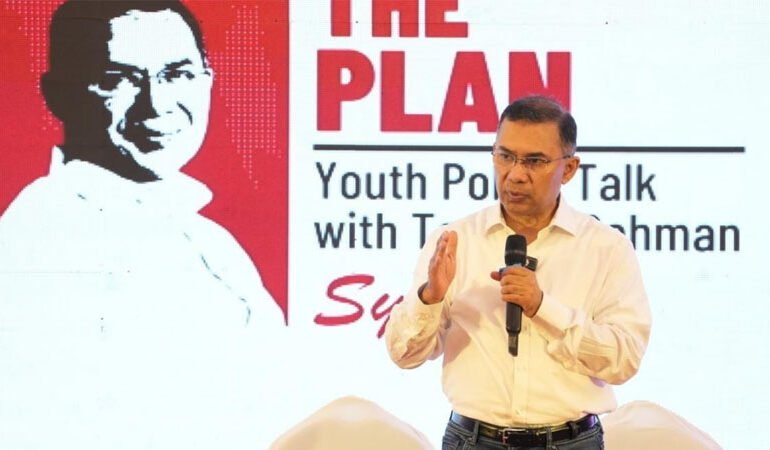
The proposed Family Card programme has emerged as one of the most discussed policy initiatives in Bangladesh’s recent political landscape. Promoted by BNP chief and Prime Minister Tarique Rahman, the initiative aims to provide financial and food support to families across the country, particularly those facing economic hardship.
The Family Card is said to be launched on a pilot basis during Ramadan, ahead of Eid. The decision was taken at an inter-ministerial meeting on the Family Card held at the Secretariat on February 19.
As Bangladesh grapples with inflation, rising living costs, and economic inequality, the Family Card proposal has been presented as a major social-protection scheme designed to strengthen household stability and reduce poverty.
The Origin of the Family Card Proposal
The Family Card concept gained prominence during the political campaign and policy announcements of the Bangladesh Nationalist Party. In its manifesto and public statements, BNP highlighted the programme as a cornerstone of its welfare agenda, promising assistance for millions of families nationwide.
According to policy discussions and campaign speeches, the programme aims to create a safety net that would support families struggling with daily expenses such as food, education, and household costs.
The plan became a central topic during the 2026 political transition, when BNP leaders emphasized social welfare reforms alongside economic development initiatives. Analysts note that the policy reflects a broader shift toward targeted support for households, especially women and low-income groups.
How the Family Card Programme Would Work
Under the proposed system, eligible households would receive a Family Card that allows them to access financial assistance or essential commodities every month. The programme is designed to provide either cash payments or food supplies depending on policy implementation.
Reports indicate that each family could receive Tk 2,000 to Tk 2,500 per month, either in direct financial support or as essential goods such as rice, lentils, cooking oil, and salt.
In some versions of the proposal, the monthly food package could include items like:
- 25 kilograms of rice
- 5 kilograms of potatoes
- 1 kilogram of lentils
- 2 litres of edible oil
- 1 kilogram of salt
These provisions are intended to help families cope with the rising cost of living while ensuring basic food security.
Focus on Women and Household Empowerment
One distinctive feature of the Family Card initiative is its emphasis on women. The programme is expected to issue cards in the name of the female head of each household, ensuring that financial support directly benefits mothers and homemakers.
Supporters of the policy argue that recognizing the unpaid work of homemakers and giving them direct access to financial support can strengthen families and improve economic independence. Some policymakers also say that the allowance would acknowledge the economic contribution of women within households.
The initiative may also encourage women to become more financially independent. According to statements from BNP leaders, beneficiaries who become self-reliant could voluntarily opt out, allowing the programme to support families in greater need.
Who Would Receive the Family Card
The proposed scale of the programme is extensive. According to official statements from BNP leaders, the plan could eventually reach around four crore (40 million) households across Bangladesh.
Initially, the scheme may focus on:
- Poor and ultra-poor families
- Lower-income households
- Rural communities
- Families facing food insecurity
Policy discussions suggest that the programme could start in rural areas and low-income urban neighborhoods before expanding nationwide.
Such a large-scale initiative would make the Family Card one of the biggest social-welfare programmes in Bangladesh’s history if implemented fully.
Economic and Social Goals of the Programme
The Family Card initiative is designed to achieve several broader policy objectives beyond immediate financial support.
1. Reducing Poverty and Hunger
One of the central aims of the programme is to reduce poverty and ensure that families have access to essential food items and basic necessities.
By providing consistent monthly assistance, policymakers hope to stabilize vulnerable households and prevent extreme economic hardship.
2. Strengthening Food Security
Food security has become a key issue in Bangladesh due to global supply disruptions, inflation, and climate challenges. The Family Card programme could help households maintain a steady supply of staple foods.
3. Empowering Women
The focus on issuing the card to women is intended to increase their role in financial decision-making within the household. Many policymakers believe that empowering women can improve family welfare and child development outcomes.
4. Supporting Economic Stability
Another objective is to reduce economic pressure on families while stimulating local markets. When households receive financial assistance or food support, it can help maintain consumer spending and economic stability.
Political and Policy Context
The Family Card proposal also reflects a broader political strategy. It was included in BNP’s policy commitments alongside other initiatives such as job creation, healthcare expansion, and education reforms.
Political analysts say such programmes often play a major role in shaping voter expectations, particularly during elections when economic issues dominate public debate.
However, some economists and observers have also raised questions about funding and long-term sustainability. Implementing a nationwide programme of this scale would require significant government resources and effective administration.
Challenges in Implementing the Programme
While the Family Card proposal has gained significant public attention, several challenges remain regarding its implementation.
Funding and Budget Requirements
Providing monthly assistance to millions of households would require a large national budget allocation. Policymakers would need to determine how the programme will be financed without increasing economic pressure.
Identifying Eligible Beneficiaries
Another challenge is ensuring that the benefits reach the right families. Effective databases and verification systems would be necessary to prevent misuse or duplication.
Administrative Capacity
Running a nationwide welfare programme requires strong administrative infrastructure, including digital systems, local government involvement, and monitoring mechanisms.
Balancing Universal and Targeted Support
Some proposals suggest a universal model, while others focus on targeting low-income families. Policymakers will need to decide the most practical approach for Bangladesh.
Comparison With Existing Welfare Initiatives
Bangladesh already operates several social safety net programmes, including food support, subsidies, and targeted allowances. The Family Card proposal aims to integrate or expand these types of benefits into a single, more comprehensive system.
Experts say that if designed properly, the programme could simplify welfare distribution and improve efficiency. However, it would need careful planning to avoid duplication with existing schemes.
The Future of the Family Card in Bangladesh
The Family Card initiative represents an ambitious vision for strengthening social protection in Bangladesh. If implemented successfully, it could significantly impact poverty reduction, food security, and women’s economic empowerment.
At the same time, the programme’s success will depend on practical factors such as funding, governance, and effective distribution systems.
As Bangladesh continues to navigate economic and political changes, the Family Card proposal remains one of the most closely watched welfare initiatives in the country.