

The Cost of Homecoming: Eid Travel Claim Over 200 Lives in Road, Rail and Ferry Accidents
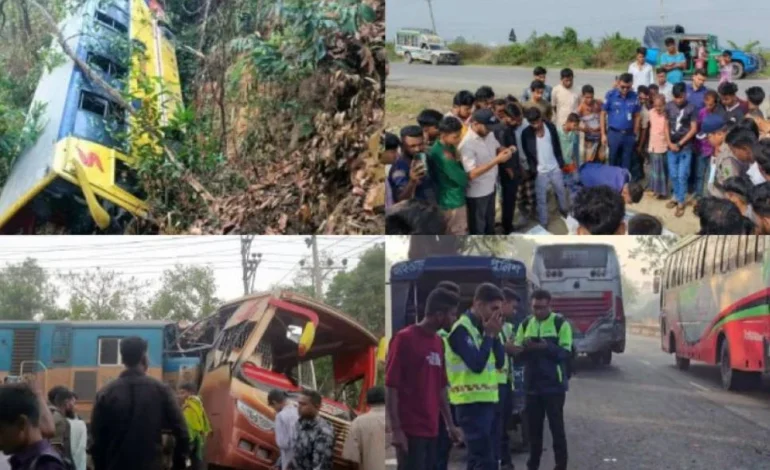

The Cost of Homecoming: Eid Travel Claim Over 200 Lives in Road, Rail and Ferry Accidents
Eid-ul-Fitr is meant to be a time of celebration, family reunions, and spiritual reflection. But the journey home for many Bangladeshis turned tragic. A wave of transport accidents across roads, railways, and waterways claimed over 200 lives and left more than 600 injured during the Eid vacation.
According to data compiled by the Passenger Welfare Association of Bangladesh and the Road Safety Foundation (RSF), the annual Eid exodus once again exposed systemic weaknesses in the country’s transport infrastructure and safety enforcement.
Early Rush and Railway Disruptions
The pre-Eid travel surge began steadily, with thousands leaving Dhaka for their hometowns. While highways initially handled the pressure, the railway sector faced immediate disruptions.
On March 18, the Nilsagar Express derailed near Santahar junction in Bogura. Nine coaches went off track, causing panic among passengers. Although no deaths were reported, at least 66 people were injured. The derailment disrupted rail connectivity in the northern region for hours, stranding thousands in peak travel conditions.
Meanwhile, on March 19, a head-on collision between a bus and a pickup van in Habiganj left four people dead. It marked the beginning of fatal incidents that would escalate in the days ahead.
Sadarghat Launch Clash
Rising Highway Fatalities and the Cumilla Disaster
As Eid approached, traffic volume surged sharply. Highways saw an increase in motorcycles, private cars, and unregulated feeder vehicles.
Motorcycle accidents became particularly frequent. On March 21, two teenagers were killed in Sunamganj after their bike lost control and crashed into a tree. Similar incidents occurred in Kushtia and Feni, often linked to overspeeding and lack of protective gear.
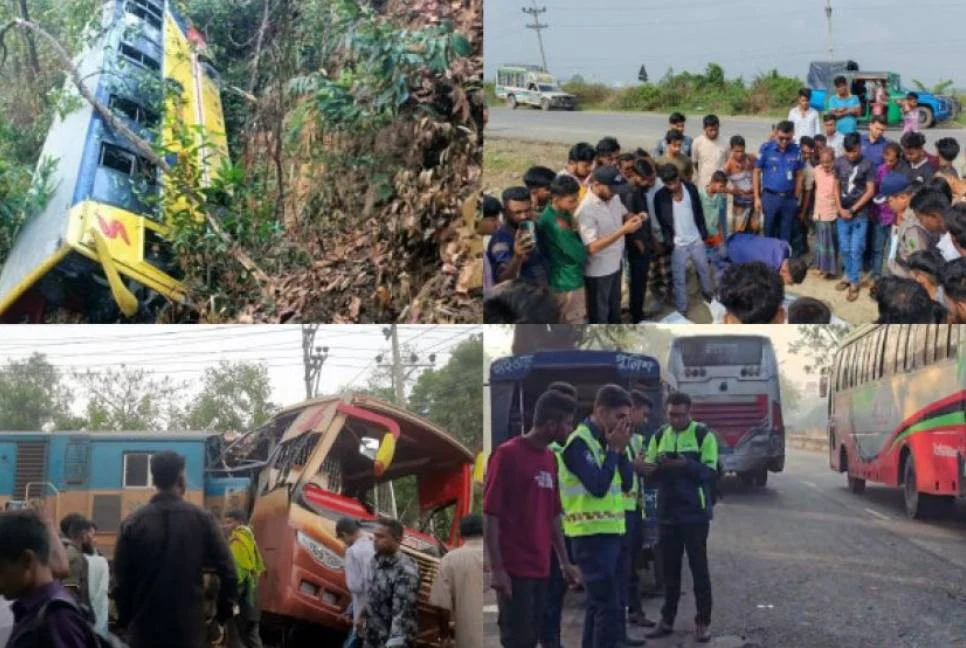
The deadliest incident of this phase occurred on March 22 in Cumilla. A passenger bus attempted to cross an unmanned railway crossing at Paduar Bazar when it was struck by a Chattogram-bound train. The collision dragged the bus nearly a kilometer, killing 12 people and leaving at least 18 critically injured.
The tragedy highlighted a long-standing issue: the absence of proper safety measures at railway crossings, many of which remain unmanned across Bangladesh.
Peak Travel Chaos After Eid
Two days following the Eid saw the highest density of travel. According to the Road Safety Foundation, nearly 30% of total fatalities occurred during this period.
In Feni, a three-way collision involving a bus, an ambulance, and a motorcycle killed three people. In Naogaon, a tractor veered off the road and hit a tree, killing two on the spot.
A concerning trend during this period was the widespread use of unauthorized vehicles. Three-wheelers such as Nasimon and Karimon—officially banned on highways—reappeared to meet excess demand. These transport are often poorly maintained and lack basic safety features, making them highly vulnerable in high-speed traffic.
Accidents Turns Deadliest
On March 25, it became the deadliest day of the entire period, with at least 24 reported deaths.
The most devastating accidents occurred at the Daulatdia ferry terminal in Rajbari. A passenger bus carrying around 50 people lost braking control while boarding a ferry and plunged nearly 30 feet into the Padma River.
Rescue operations recovered 23 bodies from the submerged vehicle. The incident raised serious questions about safety infrastructure at ferry terminals, including the absence of proper barriers and inadequate vehicle fitness checks.
Return Journey Brings Continued Losses
The return journey saw no reduction in accidents. At least 28 people were killed in various road crashes across the country.
Driver fatigue emerged as a critical factor. Long hours of continuous driving during the holiday period left many drivers exhausted, impairing their reaction times and decision-making.
In Bogura, a truck accident involving a teenager added to the growing toll, reinforcing concerns about reckless driving and inadequate enforcement of traffic laws.
Statistical Overview of Eid 2026 Accidents
By the end of the period since March 17, the numbers painted a grim picture:
- Total Deaths: 216
- Road Accidents: 181
- Railway Accidents: 12
- Waterway Accidents: 23
- Total Injuries: Over 600
- Most Affected Vehicle Type: Motorcycles (involved in 42% of fatal crashes)
- Worst-Hit Areas: Rajbari, Cumilla, and Dhaka
These figures highlight the масштаб of the crisis and the urgent need for intervention.
Why Do Eid Travel Accidents Persist?
Despite repeated warnings and policy discussions, the same patterns continue to emerge every Eid. According to the Passenger Welfare Association of Bangladesh, several systemic issues are responsible:
1. Driver Fatigue
Many drivers operate under intense schedules, often working double shifts without adequate rest.
2. Unfit Vehicles
Old and poorly maintained vehicles are frequently used during peak travel periods to meet demand.
3. Unsafe Railway Crossings
A significant number of railway crossings lack gates or personnel, increasing the risk of collisions.
4. Reckless Motorcycling
Young riders often ignore traffic laws, including helmet use and speed limits.
5. Weak Law Enforcement
Limited monitoring and enforcement during peak travel periods allow violations to go unchecked.
The Way Forward: Policy and Safety Recommendations
The Eid 2026 accidents underscore the urgent need for comprehensive reforms in Bangladesh’s transport system.
Experts recommend:
- Mandatory Rest Periods: Enforce regulated working hours for drivers
- Vehicle Fitness Checks: Ensure only roadworthy vehicles operate during peak seasons
- Railway Safety Upgrades: Install automated gates or assign personnel at all level crossings
- Strict Highway Regulation: Enforce bans on unauthorized vehicles
- Improved Ferry Safety: Install barriers and strengthen loading protocols at river terminals
Authorities such as the Bangladesh Road Transport Authority and the Ministry of Railways must prioritize safety over convenience.
Turning Tragedy Into Reform
The Eid-ul-Fitr 2026 travel period serves as a stark reminder of the human cost of systemic in transport safety. While infrastructure development continues with major projects across the country, safety measures have not kept pace.
For millions of Bangladeshis, the journey home should be a moment of joy—not risk. Achieving safer travel during Eid requires coordinated efforts from government agencies, transport operators, and the public.
The goal must be clear: ensuring that future Eid journeys are defined by celebration, not tragedy.