

E-Health Card in Bangladesh: What It Is and How It Will Benefit Citizens

E-Health Card in Bangladesh: What It Is and How It Will Benefit Citizens
Bangladesh is moving toward a digital healthcare system with the planned introduction of the e-Health Card, an initiative by Bangladesh Government aimed at modernizing medical services and making healthcare more efficient for citizens. The program is designed to store patients’ medical data digitally and allow hospitals across the country to access it instantly.
The proposed system is part of a broader effort to digitize Bangladesh’s health sector and improve service delivery through technology. As healthcare demands grow with population and urbanization, initiatives like the e-Health Card are seen as a major step toward creating a more organized and patient-centric healthcare system.
What Is the E-Health Card?
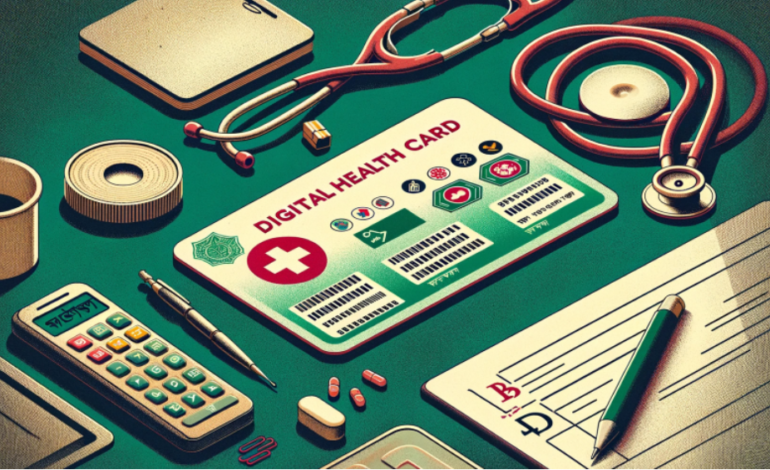
The e-Health Card is a digital health identification system that will contain a patient’s medical history and healthcare information. Under the planned system, every patient will receive a card where all medical records are stored permanently in digital form.
This means that whenever a person visits any hospital or healthcare facility in the country, doctors can quickly access past medical records, test reports, and treatment history through the card.
In simple terms, the e-Health Card works like:
- A digital medical identity for every citizen
- A centralized database of patient records
- A tool for faster and more accurate treatment decisions
The initiative reflects Bangladesh’s ongoing efforts to integrate technology into healthcare, a trend already seen in many developed countries.
Why Bangladesh Is Introducing the E-Health Card
Bangladesh’s healthcare system has long faced challenges such as:
- Fragmented medical records
- Loss of prescriptions and reports
- Repeated tests due to missing information
- Difficulty in coordinating care between hospitals
The e-Health Card is expected to address these issues by creating a unified digital system. The government’s objective is to ensure that medical services become more accessible and efficient for citizens nationwide.
Digital health systems also help governments manage public health data better, which is essential for planning healthcare policies and responding to health crises.
How the E-Health Card Will Work
The e-Health Card system will operate through a centralized digital platform connected to hospitals and healthcare providers. When a patient receives treatment, their medical data will be updated in the system.
Key features of the system include:
1. Permanent Digital Medical Records
All past treatments, prescriptions, and diagnostic results will be stored on the card permanently.
This will eliminate the need for patients to carry large files of medical documents.
2. Access Across Hospitals
Doctors in different hospitals will be able to access patient information instantly, making treatment faster and more coordinated.
3. Integration With National Health Systems
The initiative is aligned with Bangladesh’s broader digital health strategy, which includes a unique health ID system designed to manage medical information across healthcare facilities.
4. Simplified Registration
Citizens are expected to register through hospitals or online systems using identification documents such as national ID or birth registration.
Major Benefits of the E-Health Card
The introduction of the e-Health Card could transform healthcare delivery in Bangladesh. Below are some of the key benefits citizens may experience.
Faster Medical Treatment
When doctors can immediately access a patient’s medical history, diagnosis and treatment become quicker and more accurate.
Reduced Medical Errors
With complete medical records available, the risk of prescribing wrong medications or repeating unnecessary tests decreases significantly.
Improved Healthcare Coordination
Patients often visit multiple hospitals or specialists. The e-Health Card ensures that all providers have access to the same medical information.
Time and Cost Savings
Patients will no longer need to repeat diagnostic tests or carry physical documents, saving both time and money.
Better Public Health Management
Digital records help authorities track disease trends and plan healthcare resources more effectively.
Impact on Hospitals and Healthcare Providers
The e-Health Card system will not only benefit patients but also transform hospital operations.
Hospitals will:
- Maintain electronic records instead of paper files
- Share medical information with other facilities
- Improve efficiency in patient management
- Reduce administrative workload
The move is also expected to improve data accuracy and strengthen healthcare planning at the national level.
Bangladesh’s Journey Toward Digital Healthcare
The e-Health Card is not the first step toward digital healthcare in Bangladesh. Over the past few years, the government has introduced initiatives such as:
- Digital health IDs
- Online appointment systems
- Automated hospital information systems
Health authorities have been working to create a centralized database where patient information can be stored securely and shared between healthcare providers.
These initiatives aim to build a modern healthcare infrastructure that can support millions of citizens efficiently.
Challenges in Implementing the E-Health Card
While the initiative is promising, experts believe implementation will require careful planning.
Some possible challenges include:
- Ensuring data privacy and security
- Training healthcare workers to use digital systems
- Integrating private hospitals into the system
- Expanding digital infrastructure in rural areas
If these challenges are addressed successfully, the e-Health Card could become a major milestone in Bangladesh’s healthcare modernization.
What It Means for Ordinary Citizens
For most Bangladeshis, the biggest advantage of the e-Health Card will be convenience and better access to healthcare.
Citizens will benefit from:
- Faster treatment at hospitals
- Easy access to medical records
- Improved healthcare quality
- A more organized health system
This is especially important for people living in rural areas who often face difficulties in maintaining medical records and accessing specialized care.
The Future of Healthcare in Bangladesh
The e-Health Card initiative reflects a broader vision of building a digitally integrated healthcare system in Bangladesh. If implemented effectively, it could help transform how healthcare services are delivered across the country.
In the coming years, the system may also expand to include:
- Telemedicine integration
- Digital prescriptions
- Nationwide patient databases
- Advanced health analytics
Such developments could significantly improve healthcare outcomes and ensure that medical services reach citizens more efficiently.
Looking Ahead
The introduction of the e-Health Card marks an important step in Bangladesh’s effort to modernize its healthcare sector. By digitizing medical records and connecting hospitals through a centralized system, the initiative aims to make healthcare faster, more efficient, and more accessible for everyone.
If implemented successfully, the e-Health Card could reshape the way patients receive treatment and how healthcare providers manage medical data. For a country with a large and growing population, this digital transformation may play a crucial role in building a stronger and more responsive healthcare system for the future.