

December 8: The Day Pirojpur, Comilla and Barisal Broke Free in Bangladesh’s Liberation War
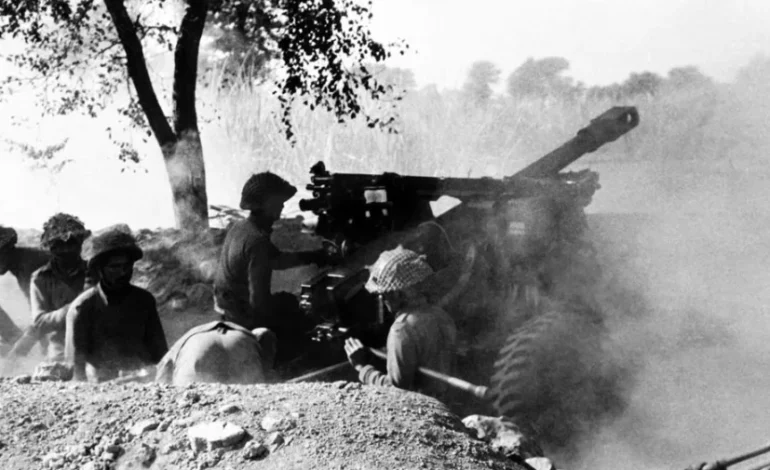
December 8 remains etched in Bangladesh’s national memory as a defining moment in the 1971 Liberation War. On this historic day, three key regions, Pirojpur, Comilla and Barisal, were liberated from Pakistani occupation after months of intense resistance. The day marks both the heroism of freedom fighters and the resilience of ordinary citizens who longed for freedom. As the nation prepares to mark Victory Day on December 16, revisiting the liberation of these three districts underscores the sacrifices that paved the path toward independence.
The Liberation of Pirojpur: A Multi-Front Attack That Broke the Enemy Lines
Pirojpur holds special significance for December 8 as freedom fighters executed a coordinated and decisive operation to liberate the town. During the war, the Government Boys School served as the sub divisional headquarters of the occupying Pakistani Army, while military camps were also present across all thanas.
As the Pakistani forces learned from collaborators that the freedom fighters were preparing for a major assault, they abandoned their remote camps and concentrated in Pirojpur town. But the strategy failed. Freedom fighters launched attacks simultaneously from the west, south and north, overwhelming the occupying troops. Realizing that defeat was imminent, the Pakistani soldiers fled through Hulerhat River toward Barisal.
Shortly afterward, the freedom fighters marched into town like heroes and hoisted the flag of Bangladesh, a symbolic moment that residents still recall with pride.
To commemorate the day, authorities and local organizations in Pirojpur have arranged a series of programs including colorful processions, tributes at memorial sites, candle lighting ceremonies, discussions and cultural events. A celebration committee headed by Deputy Commissioner Md Khairul Alam Sheikh has coordinated the activities, ensuring participation from war veterans, cultural groups and youth organizations.
Comilla’s Road to Liberation: Battles, Sacrifice and Unhealed Wounds
Comilla also celebrates December 8 as a day of freedom and remembrance. The district witnessed several major battles during the war as freedom fighters fought against the Pakistani Army and its local collaborators.
Key Battles in Comilla
- On August 14, 1971, Pakistani troops stormed Majigacha under Sadar upazila, looting villages and killing more than 400 civilians, including women and children.
- On November 11, a fierce battle took place in Batiara under Chowddagram upazila, where nine freedom fighters were martyred.
- Jagannath Dighi area was liberated on November 28, followed by Barura and Chandina on December 4.
- The battle for Comilla Airport on the night of December 7 remains one of the most significant encounters of the district.
One of the darkest memories of Comilla’s wartime history lies in Asgara Bazar and Beltali Bazar in Laksam upazila, where thousands of victims were tortured and buried in mass graveyards. Locals have long demanded proper preservation of these sites. Nurul Islam, president of the Asgara Bazar committee, lamented that the area has no memorial stone to honor the martyrs and has instead become a gathering point for illegal activities. However, Comilla District Freedom Fighter Commander Safiul Ahmed Babul has confirmed that preservation work will begin soon.
To mark December 8, Comilla’s district administration has organized a nine day Bijoy Mela, rallies, floral tributes, cultural programs and fireworks. These activities aim to honor the sacrifices of freedom fighters and educate younger generations about the war’s historical significance.
Barisal’s Liberation: When Mukti Bahini Took Back the City
December 8 is also the day Barisal broke free after nine months of occupation. In the final stages of the war, the Pakistan backed local administration imposed an indefinite curfew on December 7 in an attempt to suppress growing resistance. But it ultimately collapsed as freedom fighters advanced.
How Barisal Fell to Freedom Fighters
Around 400 Pakistani soldiers and several local collaborators attempted to flee Barisal by waterway early on December 8, as road routes were blocked by Mukti Bahini. But their retreat met a devastating blow. Several of their vessels were attacked and bombed by four Indian Air Force fighter jets, resulting in heavy losses for the fleeing troops.
By 10:30 am, freedom fighters led by Base Commander Sultan Master entered Barisal from the south and west and captured the Kotwali Police Station. Residents broke the curfew and poured into the streets chanting “Joy Bangla” as liberation forces regained control of the town.
Later in the day, another group of freedom fighters led by Abdul Mannan secured full command of the district. Collaborators hiding inside the WAPDA regional headquarters surrendered on December 20.
During the war, Barisal had endured severe atrocities. After occupying the district on April 25, the Pakistani army set up its regional headquarters near the Kirtankhola River and used it as a center for torture and executions. Today, memorials at WAPDA Complex, Amtala crossing, the deputy commissioner’s office and Barisal Government Girls School serve as reminders of the sacrifices made.
On the anniversary of the town’s liberation, Muktijoddha Sangsad has scheduled discussion sessions, while cultural organization Udichi Barisal will hold a cultural program at Bijoy Bihanga.
Why December 8 Remains a Pillar of Bangladesh’s Liberation History
The liberation of Pirojpur, Comilla and Barisal on December 8 was not an isolated event. It was a strategic turning point that weakened the Pakistani occupation forces ahead of the final push toward Dhaka. The victories boosted national morale, unified resistance forces and accelerated the momentum that ultimately led to the country’s independence on December 16.
For historians, December 8 offers critical insights into the regional resistance movements that shaped the Liberation War. For citizens, it is a day of gratitude. And for younger generations, it is a reminder of the courage, unity and sacrifice that formed today’s Bangladesh.
As the nation continues to honor its freedom, stories from Pirojpur, Comilla and Barisal ensure that the legacy of 1971 remains alive, relevant and revered.