


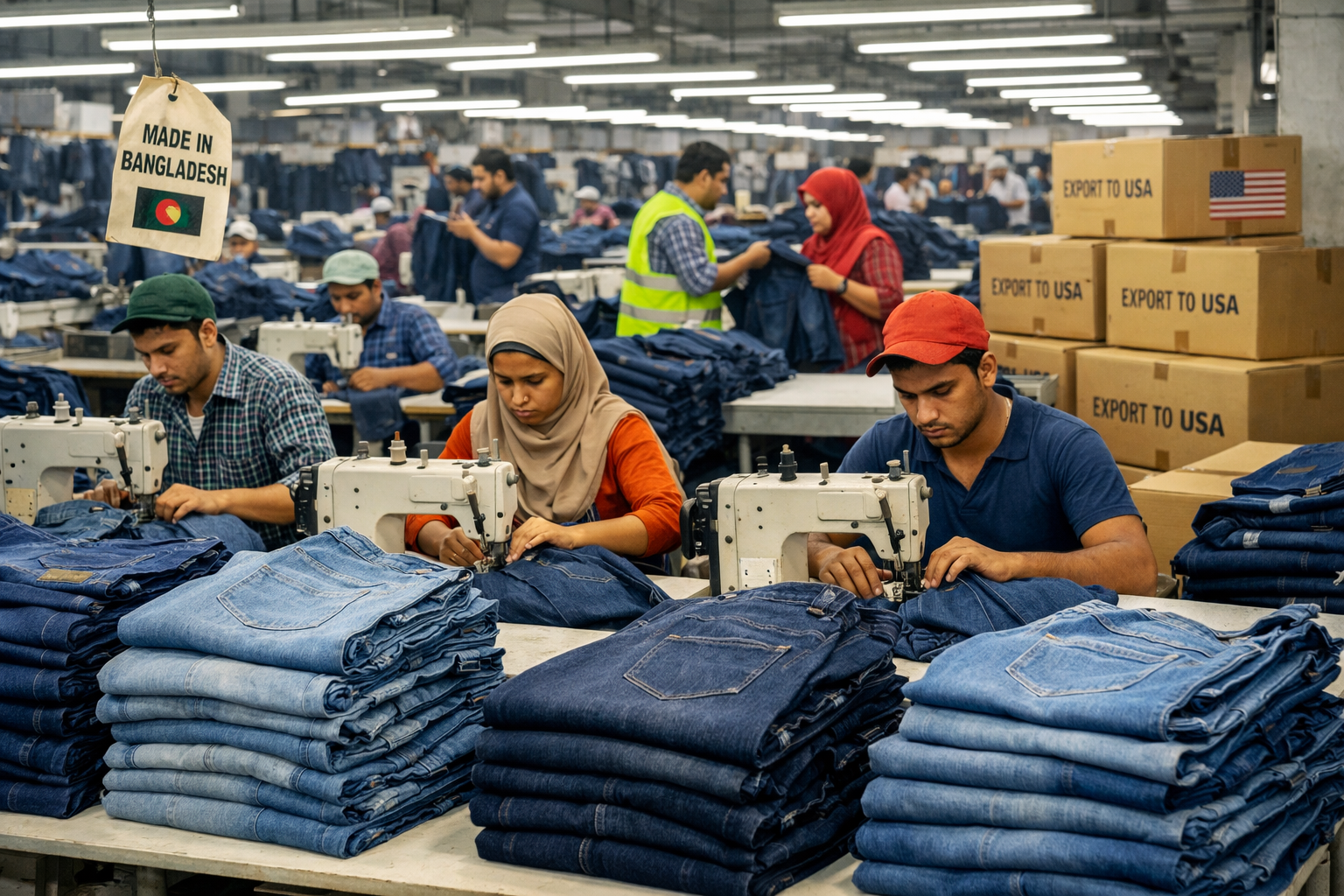
Bangladesh to Join International Force in Gaza: A New Chapter in Peacekeeping
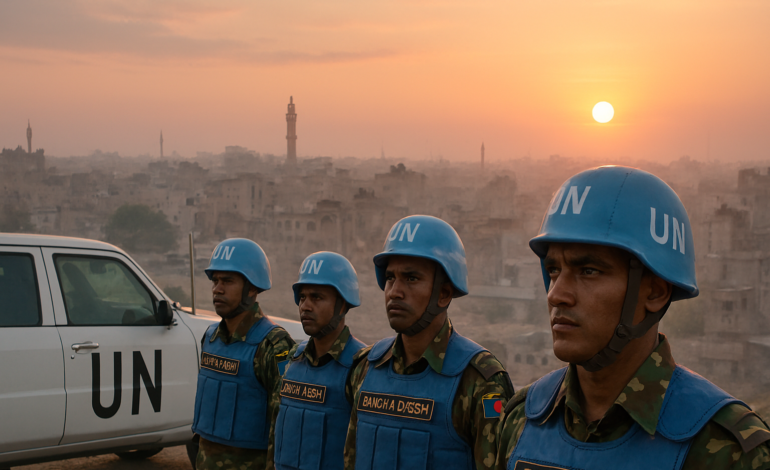

Bangladesh Seeks to Join International Force in Gaza A New Chapter in Peacekeeping
Bangladesh has taken a notable diplomatic step by expressing its interest in participating in an international stabilization force proposed for deployment in Gaza. The announcement came during high-level talks in Washington between Bangladesh’s National Security Adviser and senior U.S. diplomats, placing Dhaka in the midst of one of the most contentious and closely watched geopolitical issues of the decade.
This potential move highlights Bangladesh’s willingness to engage in international peace and security initiatives beyond its traditional commitments in United Nations peacekeeping operations. As global attention remains fixed on Gaza’s fragile ceasefire and the broader Israeli-Palestinian conflict, Bangladesh’s diplomatic overture underscores its broader ambitions to contribute to international peace and stability.
The Washington Meeting That Sparked Global Headlines
On January 10, 2026, National Security Adviser Khalilur Rahman held discussions in Washington with U.S. under-secretary of state for political affairs Allison Hooker and assistant secretary Paul Kapur. During this meeting, Bangladesh formally communicated its “interest in principle” to join an international stabilization force being planned for Gaza.
According to the Bangladeshi government statement, Rahman highlighted Dhaka’s position on the matter, though the details of any proposed role, whether military, advisory, or logistical were not specified. The U.S. State Department had no immediate comment on the scope of Bangladesh’s potential participation.
The stabilization force itself stems from a United Nations Security Council resolution adopted in mid-November 2025, which authorized a framework to establish a temporary peacekeeping mission in Gaza following a ceasefire that began in October. However, progress toward a stable peace has been uneven, with continued violence and political obstacles threatening longer-term stability.
Why Bangladesh’s Proposal Matters
Bangladesh is widely respected for its longstanding involvement in UN peacekeeping operations, with thousands of troops and police personnel deployed in various conflict zones over the decades. The country’s reputation for neutral and principled service in global peace missions adds weight to its offer to join an international stabilization force.
Bangladesh has historically contributed considerably to global peace efforts, supplying troops to numerous United Nations missions across Africa, Asia, and the Middle East. This proposed involvement in Gaza could extend Bangladesh’s peacekeeping footprint into a highly sensitive geopolitical crisis with global implications, potentially elevating its diplomatic profile.
The Gaza stabilization force is intended to support the fragile ceasefire environment, help protect civilians, and assist in maintaining order in the aftermath of prolonged conflict. Although details such as command structure and operational mandate are still in flux, Bangladesh’s expression of interest signals a willingness to collaborate with a broad coalition, a move that could open new avenues for international cooperation.
Understanding the Gaza Context
The Gaza Strip has endured significant hardship as a result of one of the longest standing and most complex conflicts in modern history. Israeli military operations in the territory since late 2023 have caused widespread destruction, leading to tens of thousands of casualties and massive internal displacement. More than two million people in Gaza now live in precarious conditions, grappling with shortages of food, water, healthcare, and basic infrastructure.
Despite a ceasefire agreement in October 2025, violations by both sides have continued, and achieving sustainable peace remains elusive. International rights groups, experts, and U.N. inquiries have raised grave concerns about the humanitarian situation, with some describing aspects of the conflict as genocidal. Israel, for its part, defends its military actions as legitimate self-defense following major militant attacks.
It is in this context of fragile truce and persistent instability that the idea of an International Stabilization Force has emerged as intended to create a buffer, support peacebuilding, and assist in the transition toward long-term security. Bangladesh’s potential participation could reflect a broader international willingness to share responsibility for peace enforcement and humanitarian stabilization.
Potential Roles and Contributions
Bangladesh’s interest in joining the stabilization force does not yet specify whether its involvement would include troop deployment, logistical support, humanitarian aid coordination, training, policing roles, or other forms of participation. Given Bangladesh’s extensive experience in peacekeeping operations, potential areas of contribution could include:
Military engineering units with expertise in demining and infrastructure repair
Medical and logistical support teams
Police and civil affairs units to assist with community stabilization
Humanitarian coordination specialists
Such contributions could complement broader stabilization efforts by addressing both security and recovery needs in Gaza. However, any deployment decision will depend on final agreements regarding the force’s mandate, international political commitments, and operational guidelines.
Diplomatic Implications for Bangladesh
Bangladesh’s engagement in an international stabilization force for Gaza could have several diplomatic implications:
Enhancing Global Peace Reputation
Participation would position Bangladesh as a proactive supporter of international peace and humanitarian stability. This aligns with Dhaka’s historical contributions to peacekeeping and could bolster its standing in forums such as the United Nations and the Non-Aligned Movement.
Navigating Complex Geopolitics
The Gaza issue involves deeply rooted political sensitivities involving Israel, Hamas, and broader Middle Eastern dynamics. Any formal deployment or logistical support would require careful diplomacy to maintain Bangladesh’s balanced foreign policy and protect its broader diplomatic interests.
Domestic Considerations
The conflict in Gaza has drawn significant public attention and support in Bangladesh, with large demonstrations expressing solidarity with Palestinians earlier in 2025. Bangladeshi leaders may need to balance international commitments with domestic sentiment on the conflict.
Challenges and Uncertainties Ahead
Despite the diplomatic interest, many uncertainties remain:
Mandate and scope of the stabilization force are not yet fully defined, making it difficult for contributing nations to determine specific roles.
Ceasefire durability continues to be fragile, raising questions about how a stabilization force could effectively operate in such an environment.
International coordination will require harmonizing the intentions and contributions of multiple countries with diverse political priorities.
Additionally, if ground deployment were involved, troop safety, rules of engagement, and coordination with local authorities would all present operational challenges. Nonetheless, Bangladesh’s signal of interest is an important first step in a process that could evolve over the coming months.
Broader Significance: Peacekeeping in a New Era
Bangladesh’s offer to help stabilize Gaza illustrates how peacekeeping and peace enforcement concepts are evolving in an era of protracted urban conflict and complex humanitarian emergencies. Traditional U.N. peacekeeping missions typically conducted under Security Council mandates are now expanding into stabilization roles that require multidimensional cooperation between military, humanitarian, and development actors.
For Bangladesh, involvement in such an initiative could serve as a case study in adapting peacekeeping expertise to contemporary geopolitical challenges, while contributing meaningfully to a situation that has global humanitarian implications.
A Step Toward Collective Security
Bangladesh’s expression of interest in joining an international stabilization force in Gaza marks a notable development in its foreign policy and international engagement. By stepping forward diplomatically, Dhaka signals its readiness to contribute to global efforts aimed at stabilizing one of the world’s most troubled conflict zones.
While the exact nature of Bangladesh’s contribution is not yet defined, the goodwill inherent in this gesture, backed by the nation’s historical record in peacekeeping, could lay a foundation for meaningful collaboration in international peace efforts. As global stakeholders continue to negotiate and refine the stabilization force’s mandate, Bangladesh’s involvement, if realized, could serve as a model of principled engagement in contemporary global security challenges.