



Fuel Rationing Begins in Bangladesh as Government Hunts for Energy
Bangladesh has begun implementing fuel rationing measures as authorities rush to secure energy supplies amid rising global uncertainty triggered by the ongoing conflict in the Middle East. The crisis, though unfolding thousands of miles away, has rapidly affected Bangladesh’s energy supply chain, forcing the government to take emergency steps to stabilise fuel availability and prevent shortages.
Officials say disruptions to shipping routes and energy markets linked to the Middle East conflict are threatening the timely arrival of crude oil and liquefied natural gas (LNG) imports. As Bangladesh depends heavily on imported energy, the government has started rationing fuel, cutting gas supply to certain sectors, and negotiating emergency imports from alternative suppliers.
Global Conflict Sparks Energy Concerns
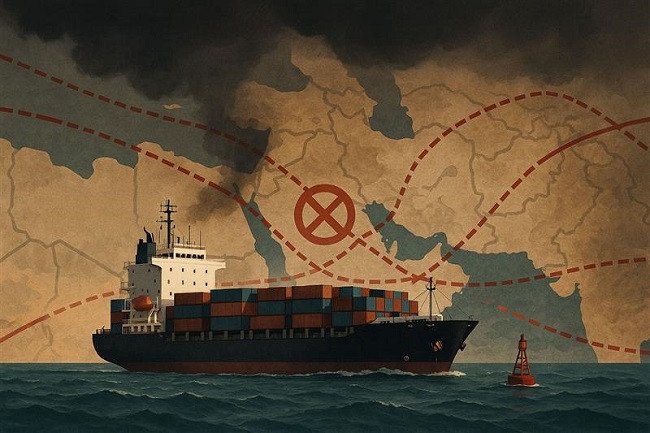
The latest measures come amid heightened geopolitical tensions in the Middle East, where escalating hostilities have disrupted shipping through the Strait of Hormuz which is one of the world’s most important oil transit routes. Much of Bangladesh’s imported crude oil and LNG passes through this corridor, making the country particularly vulnerable to global supply shocks.
Energy experts warn that instability in the region could lead to delayed shipments, rising prices, and increased competition for fuel supplies in the global market. These developments have already triggered anxiety among consumers and policymakers in Bangladesh.
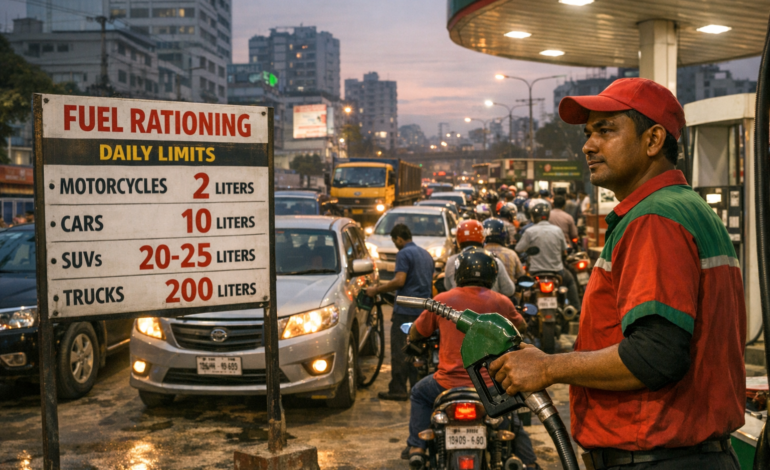
In recent days, long queues were seen at several filling stations in Dhaka as motorists rushed to purchase petrol and diesel amid fears of potential shortages.
Government Introduces Fuel Rationing Measures
To manage the situation, the government has ordered a 10% reduction in fuel allocations to filling stations across the country. Authorities have also instructed petrol pumps not to sell fuel in containers or drums in order to prevent hoarding and black-market activity.
Alongside fuel rationing, officials have taken additional steps to conserve energy and prioritise essential sectors.
Key measures include:
- Cutting 50 million cubic feet per day (mmcfd) of gas supply to power plants
- Temporarily shutting down most fertiliser factories
- Deploying monitoring teams to prevent fuel hoarding and smuggling
Only the Shahjalal Fertiliser Company in Sylhet has been allowed to continue operations in order to ensure agricultural production during the crucial rice-growing season.
Authorities say these measures are temporary but necessary to stabilise supplies until new shipments arrive.
Under the new directive, motorcycles are limited to two litres of petrol or octane per day, while cars are capped at 10 litres.
Larger vehicles, such as SUVs and microbuses, are permitted 20 to 25 litres, while long-haulers and heavy trucks have been allocated between 200 and 220 litres of diesel daily.
Energy Reserves Under Pressure
Bangladesh’s fuel reserves have been declining rapidly, raising concerns among policymakers. According to officials, diesel stocks have fallen to about nine days of supply, while octane reserves are estimated to last around 15 days. Furnace oil reserves remain relatively higher but have also dropped significantly in recent weeks.
Such levels are considered dangerously low for a country with a rapidly growing industrial sector and increasing electricity demand.
Energy officials say that maintaining adequate reserves is crucial, particularly as the country approaches peak agricultural irrigation season and rising electricity demand during Ramadan.
LNG Shipments Face Delays
The situation has been further complicated by disruptions to LNG imports.
According to Petrobangla officials, at least two LNG cargoes scheduled for delivery in March have been delayed. Although replacement shipments have been arranged through the international spot market, authorities warn that any additional delays could force stricter rationing of gas supplies.
Spot market purchases often come at significantly higher prices, which could place additional pressure on Bangladesh’s foreign exchange reserves and increase the cost of electricity generation.
The uncertainty surrounding LNG deliveries has already led to reduced gas supply for both power generation and industrial use.
Emergency Efforts to Secure Fuel Supplies
To avoid a prolonged energy crisis, the government is actively exploring alternative sources for fuel imports.
Officials from the Bangladesh Petroleum Corporation (BPC) have started negotiations with several countries and suppliers to secure additional cargoes. Potential suppliers include Singapore, Malaysia, Indonesia, China, and several African energy exporters.
Saudi energy giant Aramco has also reportedly pledged to provide refined oil shipments from outside the Gulf region if necessary.
These emergency procurement efforts aim to ensure that Bangladesh can maintain stable fuel supply even if disruptions continue in the Middle East.
Energy Conservation Drive
Alongside supply measures, the government has launched a nationwide energy conservation campaign.
Public offices have been instructed to reduce electricity consumption by switching off unnecessary lights and setting air conditioners at 25 degrees Celsius or higher. Decorative lighting has also been discouraged across public and private buildings.
Authorities are urging citizens to limit private vehicle use, consider carpooling, and reduce gas consumption at home.
Officials believe that public cooperation will play a crucial role in preventing panic buying and ensuring that available fuel supplies are distributed fairly.
Impact on Industry and Agriculture
Energy shortages could have wider implications for Bangladesh’s economy if the crisis continues.
Reduced gas supply to power plants may lead to lower electricity generation, potentially affecting industrial production. Meanwhile, the temporary shutdown of fertiliser factories could impact agricultural output if the situation persists for an extended period.
Energy-intensive sectors such as textiles, manufacturing, and transport are particularly vulnerable to fuel shortages and price fluctuations.
Economists warn that rising fuel import costs could also increase inflation, putting additional pressure on consumers and businesses.
Government Urges Public Calm
Despite the emergency measures, officials have repeatedly reassured the public that there is no immediate fuel shortage in the country.
Authorities say the rationing system is primarily designed to prevent panic buying and ensure that supplies remain stable until new shipments arrive.
Energy officials also emphasise that Bangladesh continues to import fuel regularly and that negotiations with international suppliers are ongoing.
However, they caution that global energy markets remain volatile due to geopolitical tensions, and the situation could change rapidly depending on developments in the Middle East.
A Wake-Up Call for Energy Security
The current crisis has once again highlighted Bangladesh’s heavy dependence on imported fossil fuels.
Energy analysts say the situation underscores the need for long-term strategies to strengthen energy security, including diversification of energy sources, increased investment in renewable power, and improved energy efficiency.
Developing domestic energy resources and expanding regional energy cooperation could also help reduce vulnerability to global supply disruptions.
For now, Bangladesh faces a delicate balancing act managing immediate fuel shortages while preparing for potential long-term shifts in the global energy landscape.
As the government continues its search for new energy supplies, the coming weeks will be crucial in determining whether the country can successfully navigate this emerging fuel challenge.