


Bangladesh Faces Economic and Garment Sector Challenges: What Lies Ahead
Bangladesh’s economy is entering a crucial phase as policymakers confront mounting economic pressures and challenges in the country’s ready-made garment (RMG) industry. According to recent reports, economic stagnation, high inflation, rising unemployment, and pressure on the export-oriented garment sector are among the most urgent issues facing the government.
The garment industry has long been the backbone of Bangladesh’s economy, driving exports, employment, and industrial growth. However, global market shifts, trade policies, and domestic economic concerns are now testing the resilience of this sector.
The Importance of the Garment Sector in Bangladesh
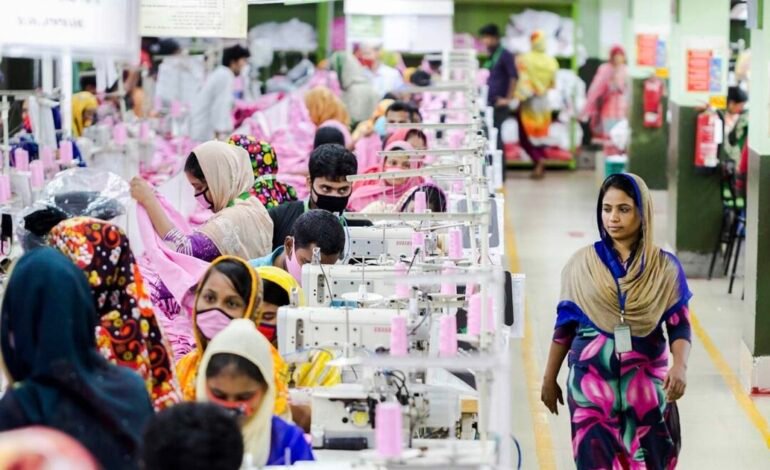
Bangladesh’s ready-made garment industry is one of the largest in the world and has played a major role in the country’s economic development over the past four decades. From a small industry in the 1980s, it grew rapidly and now accounts for the majority of the country’s export earnings.
The sector employs millions of workers, many of whom are women, and contributes significantly to poverty reduction and economic progress. Because of this, any slowdown in garment exports or production can have a direct impact on the overall economy.
Today, Bangladesh remains one of the world’s top apparel exporters, supplying major brands and retailers in Europe, North America, and other markets. But the sector’s heavy dependence on global demand means it is vulnerable to international economic changes.
Economic Challenges Facing Bangladesh
Recent economic trends show that Bangladesh is dealing with multiple pressures at the same time. Analysts point to rising inflation, slowing growth, and employment concerns as key issues that the government must address.
According to the International Monetary Fund (IMF), Bangladesh’s GDP growth slowed to 3.7% in FY2025, down from 4.2% in FY2024 and 5.8% in FY2023. However, the growth could rebound to 4.7% over the next fiscal year.
High inflation has affected purchasing power and business costs, while unemployment concerns have emerged as industries face global uncertainty. At the same time, investors and businesses are watching closely to see how economic policies evolve in the coming years.
These economic challenges are closely tied to the performance of the garment sector, as the industry remains the largest source of export revenue for the country.
Declining Export Momentum and Global Competition
One of the biggest challenges facing Bangladesh’s garment industry is declining export momentum in key markets. Recent data shows that garment exports to the European Union fell to around $11.34 billion during the first seven months of the fiscal year, down from $11.81 billion during the same period previously.
This decline comes despite overall growth in EU apparel imports, indicating that Bangladesh is facing stronger competition from other exporting countries. Industry leaders note that global buyers often prioritize lower prices, which means Bangladesh must compete with nations offering cheaper production or trade advantages.
Competition from countries such as China, India, Vietnam, and emerging producers is intensifying, making it harder for Bangladesh to maintain its market share.
Impact of Global Economic Slowdown
Global economic conditions have also affected Bangladesh’s garment industry. Weak consumer demand in major markets such as the United States and the European Union has reduced orders for clothing and textiles.
When international consumers spend less on apparel, retailers reduce their orders from manufacturers. This creates a ripple effect across factories, workers, and supply chains in Bangladesh.
Industry experts warn that these global trends could continue to influence the sector throughout the coming years unless demand recovers.
LDC Graduation and Trade Challenges
Another major challenge facing Bangladesh is its upcoming graduation from Least Developed Country (LDC) status. While this marks a significant economic milestone, it also means that the country may lose certain trade benefits, including duty-free access to major markets.
For example, without new trade agreements, Bangladeshi exports could face tariffs of around 12.5 percent in the European Union after 2029, potentially reducing competitiveness.
This transition requires strategic planning, as Bangladesh will need to strengthen its industries and negotiate new trade arrangements to maintain export growth.
Rising Production Costs and Industry Pressures
The garment sector is also dealing with rising production costs and operational challenges. In recent years, factories have faced higher energy costs, wage adjustments, and supply chain disruptions.
Reports indicate that the sector has experienced declines in orders, price pressures from buyers, and increasing production expenses, forcing many factories to rethink their strategies.
In addition, changes in policy and benefits affecting raw material imports could further increase production costs and disrupt supply chains.
These issues highlight the need for technological upgrades, improved efficiency, and stronger supply chain management.
Safety, Compliance, and Worker Issues
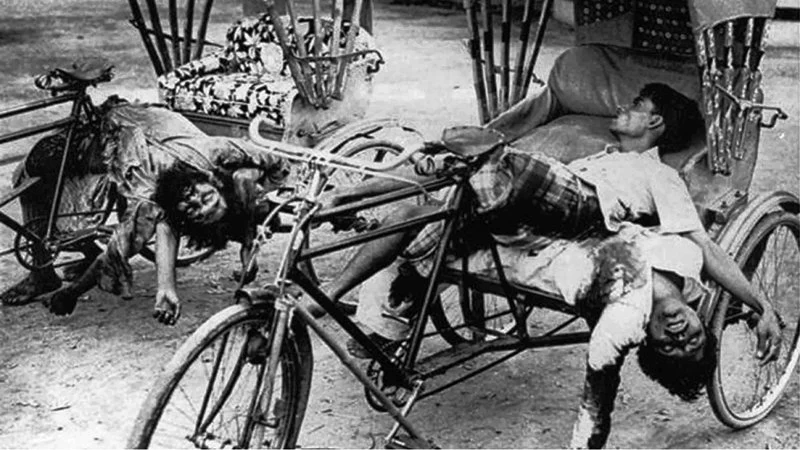
Another aspect of the garment sector’s challenges relates to workplace safety and labor conditions. Although Bangladesh has made significant improvements in factory safety since past industrial accidents, concerns about working conditions and worker welfare remain part of the global discussion around the industry.
The sector employs millions of workers, and maintaining safe working environments is essential not only for ethical reasons but also for maintaining international buyer confidence.
Addressing these issues will remain a key factor in sustaining Bangladesh’s reputation as a reliable manufacturing hub.
Government Policies and Economic Recovery
With a new political phase in Bangladesh, economic recovery and industrial stability are high priorities. The government is expected to focus on stabilizing the economy, strengthening investor confidence, and supporting key sectors like garments.
Economic experts suggest that policies promoting export diversification, technological innovation, and improved infrastructure will be essential for long-term growth.
Additionally, improving trade relationships and negotiating favorable agreements could help Bangladesh remain competitive in the global apparel market.
The Need for Industry Transformation
As global markets evolve, Bangladesh’s garment industry may need to adapt by moving beyond low-cost manufacturing. Experts argue that upgrading production capabilities, investing in sustainable practices, and producing higher-value garments could help the industry maintain its global position.
Diversification into new products and markets may also reduce dependence on a limited number of buyers and regions.
At the same time, digital transformation and automation are becoming increasingly important in modern manufacturing, making technological investment crucial for the sector’s future.
Looking Ahead
Bangladesh’s economy and garment industry stand at a critical crossroads. While the sector remains a powerful driver of exports and employment, it is facing a combination of economic pressures, global competition, trade challenges, and industry-specific issues.
The coming years will determine how successfully Bangladesh can adapt to these changes. With the right policies, innovation, and strategic planning, the country has the potential to strengthen its position in the global apparel market.
However, addressing inflation, improving industrial resilience, and supporting the garment sector will be essential to ensuring sustainable economic growth and stability in the years ahead.