

Why Bangladesh’s Air Quality Keeps Getting Worse Every Year: Causes Behind the Crisis

Why Dhaka’s Air Quality Keeps Getting Worse Every Year
Every year Bangladesh’s skyline tells the same story as hazy mornings, reduced visibility, and an air quality index that frequently ranks among the worst globally. What is more concerning is the pattern of air quality particularly in Dhaka which is getting worse year after year. Bangladesh was ranked as the second most polluted country in the world in 2024
This decline is not caused by a single factor. Instead, it is the result of multiple overlapping issues tied to rapid urbanization, weak regulation, and unsustainable development practices. Understanding why air quality keeps deteriorating requires looking beyond surface-level explanations and examining the structural drivers behind the crisis.
Brick Kilns: A Persistent and Dominant Polluter
One of the most significant contributors to air pollution is the brick kiln industry. Thousands of traditional kilns operate around the city, especially during the dry season when construction activity peaks.
Research shows that brick kilns alone can account for a large share of Dhaka’s pollution, with some estimates attributing over half of the city’s air pollution to them.
These kilns typically burn low-quality fuels such as coal and wood, releasing fine particulate matter (PM2.5), carbon monoxide, and other harmful chemicals into the air.
Despite regulatory efforts, enforcement remains inconsistent. Reports indicate that even in areas where kiln operations are officially restricted, many continue to operate, especially in surrounding regions like Savar.
As urbanization expands the construction demand increases, the reliance on traditional brick production continues, making this problem both economic and environmental.
Vehicle Emissions: A Growing Urban Threat
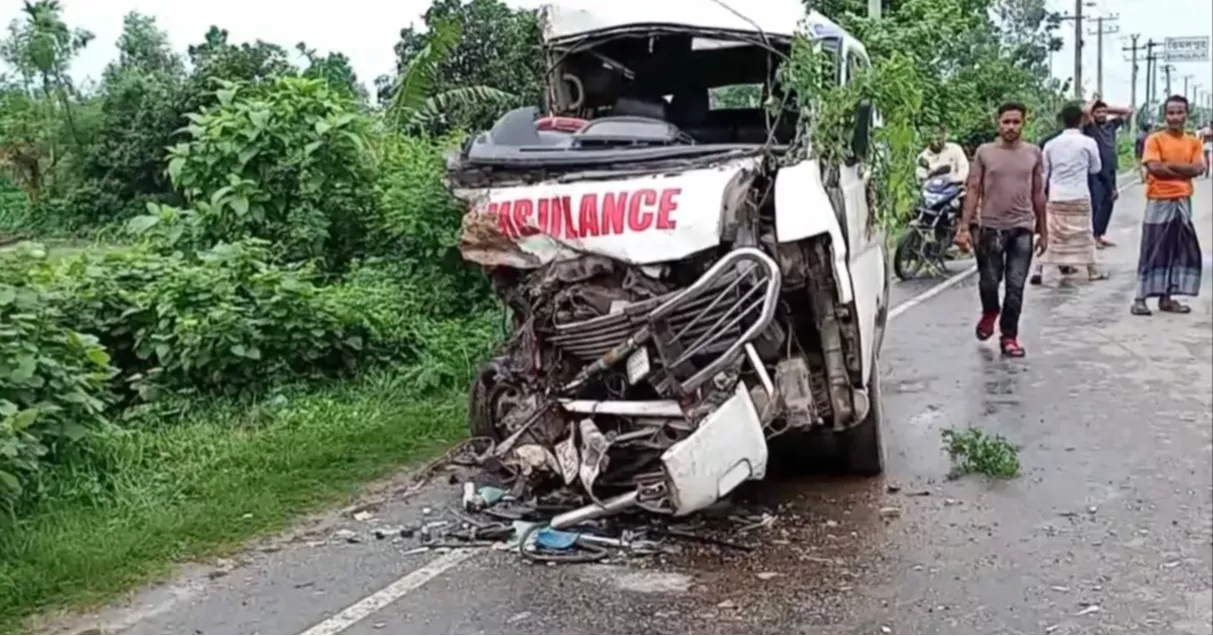
The rapid motorization over the past decade following the introduction of ride-sharing apps, with a sharp increase in private cars, buses, and commercial vehicles is another threat.
A key issue is the condition of these vehicles. Many are old, poorly maintained, and run on low-quality fuel. As a result, they emit high levels of nitrogen dioxide and particulate matter.
Traffic congestion makes the situation worse in cities. Vehicles often remain idle for long periods, continuously releasing exhaust fumes into the air. Observations in busy areas show a significant number of buses emitting visible black smoke, indicating inefficient combustion.
Recent findings even suggest that vehicle emissions have become one of the leading sources of pollution, overtaking some traditional contributors.
As the number of vehicles continues to grow without corresponding improvements in regulation and infrastructure, this problem is expected to intensify.
Construction Boom and Dust Pollution
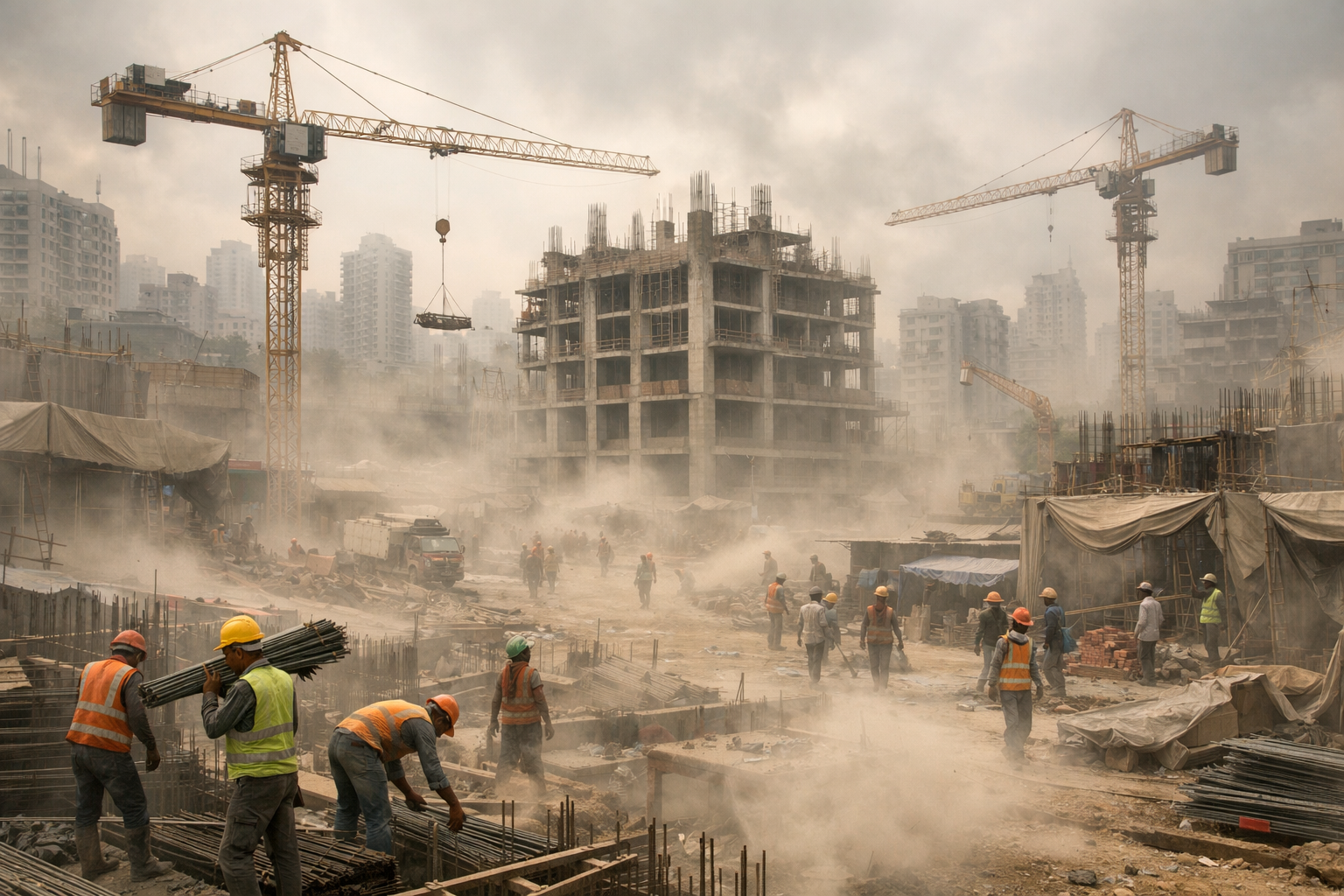
Bangladesh is witnessing a massive development and Dhaka is in a constant state of construction. From flyovers and metro rail projects to residential buildings, development is happening at an unprecedented scale.
While this growth reflects economic progress, it comes with a significant environmental cost. Construction activities generate massive amounts of dust, which becomes airborne and contributes to PM2.5 pollution.
Studies suggest that construction-related dust can account for a substantial portion of the city’s air pollution, especially when projects are not properly managed.
Unplanned road digging further exacerbates the issue. Many roads are simultaneously under construction, and dust control measures such as water spraying are often insufficient or poorly implemented.
This means that even in the absence of industrial emissions, Dhaka’s air would still suffer due to the sheer volume of dust generated daily.
Urbanization Without Planning in Dhaka
At a deeper level, the worsening air quality is linked to how Dhaka has grown. The city has expanded rapidly, but not always in a planned or coordinated manner.
Unregulated construction, inadequate zoning, and weak urban management have created an environment where pollution sources are concentrated and poorly controlled.
Experts point out that deficiencies in urban planning and weak law enforcement are key reasons why air pollution continues to rise.
For example:
- Industrial zones are often located close to residential areas
- Construction projects operate without strict environmental compliance
- Waste management systems fail to prevent open burning
This structural inefficiency allows pollution sources to operate unchecked.
Waste Burning and Biomass Use
Another overlooked contributor to Dhaka’s air pollution is the burning of waste and biomass. In many areas, garbage is burned in open spaces, releasing toxic smoke into the air.
Additionally, the use of firewood, straw, and other organic materials for cooking or small-scale industries adds to the pollution load.
These sources may seem minor individually, but collectively they contribute significantly to overall air pollution especially in densely populated areas.
Seasonal and Geographic Factors
Air quality also worsens due to seasonal and geographic conditions.
During winter, pollution levels spike dramatically. This is partly because:
- Dry weather prevents pollutants from dispersing
- Lack of rainfall means particles remain suspended in the air
- Wind patterns can carry pollution from surrounding regions
In contrast, air quality tends to improve during the monsoon season, when rain helps wash away pollutants.
This seasonal variation highlights how environmental factors interact with human activities to intensify pollution.
Weak Enforcement of Environmental Laws
While Bangladesh has policies aimed at controlling air pollution, enforcement remains a major challenge.
Illegal brick kilns continue to operate. Vehicles that fail emission standards remain on the roads. Construction projects often ignore dust control regulations.
Experts argue that better enforcement alone could significantly reduce pollution levels.
However, institutional limitations, lack of coordination, and resource constraints make consistent enforcement difficult.
The Compounding Effect: Why It Keeps Getting Worse
What makes air quality decline year after year is not just the presence of these factors but their cumulative effect.
- More construction → more dust
- More urban growth → more vehicles
- More demand for housing → more brick kilns
Each factor reinforces the others, creating a cycle that is difficult to break.
At the same time, improvements in one area are often offset by deterioration in another. For example, even if some kilns adopt cleaner technology, increased construction may still drive overall pollution upward.
A Crisis Rooted in Growth and Governance
The worsening air quality is not accidental but it is the byproduct of rapid urban growth combined with systemic challenges in regulation and planning.
From brick kilns and vehicle emissions to construction dust and weak enforcement, multiple factors are driving the crisis. Addressing any single issue in isolation will not be enough.
What the country faces is a structural problem that requires coordinated solutions across sectors. Without meaningful intervention, the city risks continuing on its current trajectory where economic growth comes at the cost of breathable air.
The question is no longer why air quality is getting worse. The real question is whether the city can reverse this trend before the consequences become irreversible.