




Baikka Beel: A Hidden Gem of Bangladesh

Baikka Beel: A Hidden Gem of Bangladesh’s Wetland Biodiversity
Bangladesh, a country known for its rich cultural heritage and vibrant landscapes, is also home to remarkable natural treasures. Among these is the Baikka Beel, a vital wetland ecosystem in the northwest of the country that supports diverse wildlife, unique habitats, and important ecological services. Recognised for its biodiversity value and conservation importance, Baikka Beel offers an inspiring example of how wetlands can sustain both nature and local livelihoods.
Located in Sreemangal, Moulvibazar, Baikka Beel is one of Bangladesh’s most significant freshwater wetlands, attracting attention from researchers, conservationists, and eco-tourists alike. As part of Bangladesh’s broader network of protected areas, it contributes to national goals for biodiversity conservation, climate resilience, and sustainable rural development.
A Natural Wetland with Ecological Importance
Baikka Beel is classified as a perennial wetland, meaning that it retains water throughout most of the year. Beel refers to a type of floodplain or marshland typical in Bangladesh, formed by the slow movement and stagnation of rivers and streams during monsoon seasons.
The beel plays several key ecological roles:
- Habitat for Wildlife: It provides breeding and foraging grounds for a wide range of fish species, waterfowl, and amphibians.
- Water Regulation: The wetland helps moderate seasonal flooding and recharges groundwater.
- Carbon Storage: Like other wetlands, Baikka Beel stores organic carbon, helping mitigate greenhouse gas emissions.
Designated officially as a wildlife sanctuary, Baikka Beel falls under national conservation policy and benefits from management initiatives that aim to balance ecological protection with community needs.
Biodiversity Richness: Birds, Fish, and Flora
Avian Diversity
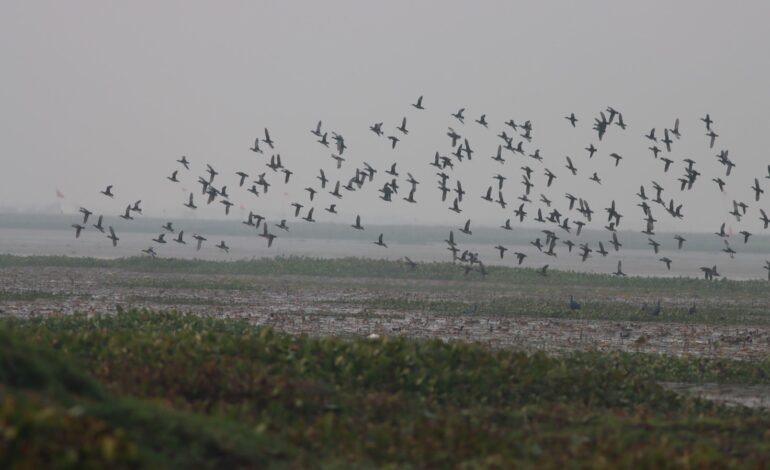
One of the main attractions of Baikka Beel is its bird life, making it a popular destination for birdwatchers. The sanctuary supports both resident and migratory species. Notable birds that frequent the beel include:
- Herons and Egrets
- Kingfishers
- Northern Shoveler
- Pochards and Teals
During winter months, migratory waterfowl arrive from Central Asia and Siberia, enhancing the seasonal diversity and creating vibrant scenes of bird activity.
The wetland’s mix of open water, reed beds, and marginal vegetation provides suitable habitats for feeding, nesting, and shelter.
Aquatic Life
Baikka Beel’s waters are rich with fish species, many of which are important in local diets and fisheries. Indigenous species such as:
- Rui
- Katla
- Mrigal
- Pabda
are commonly found, supporting both subsistence fishing and small-scale commercial catches. Seasonal variation in water levels influences fish migration and breeding cycles, which local fishers have long understood through traditional knowledge.
Vegetation and Wetland Plants
The sanctuary’s vegetation includes submerged aquatic plants, floating species, and marginal grasses that provide:
- Food and shelter for wildlife
- Stabilisation of soil and water quality
- Forage for livestock in buffer areas
Flora such as water hyacinth and native grasses are important in maintaining the ecological balance. However, like many wetlands, Baikka Beel also faces challenges from invasive plants, which require ongoing management.
Local Communities and Sustainable Livelihoods
Baikka Beel supports not only wildlife but also several thousand people living in adjacent villages. Many local families depend on the wetland for:
- Fishing and fish processing
- Agricultural irrigation
- Reed gathering for thatching and handicrafts
- Livestock grazing in buffer areas
These activities form the basis of rural livelihoods and are woven into the socio-economic fabric of the region.
The sanctuary’s management emphasises sustainable resource use so that local people can continue traditional practices without compromising long-term ecological health. Community participation in conservation, along with awareness campaigns, helps align livelihoods with wetland protection.
Conservation Challenges and Management
Like most wetlands around the world, Baikka Beel faces environmental pressures that require careful management and strategic planning. The principal conservation challenges include:
1. Water Level Fluctuations
Seasonal changes, downstream water extraction, and climate variability influence water levels in the beel. Extreme dryness can reduce fish habitats, while flooding can disrupt breeding cycles.
2. Invasive Species
Non-native plants such as water hyacinth can proliferate rapidly, blocking water flow and inhibiting native species growth. Strategic interventions are needed to control these invasives and maintain ecological balance.
3. Human-Wildlife Interaction
Fishing, reed harvesting, and livestock grazing must be conducted in ways that do not degrade sensitive zones within the sanctuary. Management plans aim to designate specific use areas and buffer zones to reduce conflict.
4. Pollution and Waste
Runoff from agricultural lands and nearby settlements can introduce pollutants into the wetland, affecting water quality and aquatic life. Awareness campaigns and waste management efforts are part of ongoing conservation work.
To address these issues, sanctuary authorities work with national agencies such as the Forest Department and local communities, employing a mix of traditional ecological knowledge and scientific tools.
Visitor Attractions and Eco-Tourism Potential
Baikka Beel holds significant potential for eco-tourism and environmental education. Its scenic landscapes, diverse bird life, and serene waters make it an attractive spot for:
- Birdwatchers
- Nature photographers
- Students and researchers
- Domestic and international tourists
Moderate tourism, aligned with conservation policies, can generate income for local communities, support awareness about wetland importance, and promote sustainable travel experiences.
Key visitor attractions include:
- Bird watching points
- Quiet boat rides through reeds
- Guided nature trails
- Local craft markets nearby
Efforts to develop responsible tourism focus on minimal environmental impact and community benefit.
Commemorating World Wetlands Day
National recognition for Baikka Beel aligns with global observances such as World Wetlands Day (February 2), which celebrates the adoption of the Ramsar Convention on Wetlands. While Baikka Beel itself is not yet a Ramsar site, it shares many ecological characteristics with internationally recognised wetlands.
The Wider Importance of Wetlands in Bangladesh
Bangladesh is home to numerous wetland ecosystems, including haors, beels, rivers, floodplains, and mangroves such as the Sundarbans. Wetlands perform critical ecological functions:
- Biodiversity hotspots
- Flood absorption and water regulation
- Carbon sequestration
- Supporting fisheries and agriculture
- Cultural and recreational value
Protecting Baikka Beel contributes to a national tapestry of wetland conservation that sustains both nature and human livelihoods.
Conservation and Collaboration
The future of Baikka Beel depends on collective action across sectors. Conservation strategies include:
- Scientific monitoring of water quality and species populations
- Community engagement in sustainable resource use
- Invasive species management
- Eco-tourism development that benefits local stakeholders
- Cross-sectoral partnerships with NGOs, universities, and government
With rising global attention on climate change and ecological resilience, wetlands like Baikka Beel are increasingly recognised as frontline ecosystems that provide climate adaptation benefits and support human-environment equilibrium.
A Sanctuary Worth Protecting
Baikka Beel Wildlife Sanctuary is more than a wetland; it is a vibrant ecosystem essential to Bangladesh’s environmental health, local economies, and natural heritage. From its rich avian diversity to community-based resource systems, the sanctuary exemplifies the interplay between nature and culture.
Preserving Baikka Beel protects fish species and migratory birds, sustains rural livelihoods, contributes to flood moderation, and fosters eco-tourism.
In a world where wetlands are increasingly threatened by development and climate shifts, Baikka Beel stands as a testament to what careful protection, community cooperation, and informed management can achieve for both nature and people.