


8 Fuel Vessels Reach Chattogram Port Amid Middle East Conflict

8 Fuel Vessels Reach Chattogram Port Amid Middle East Conflict
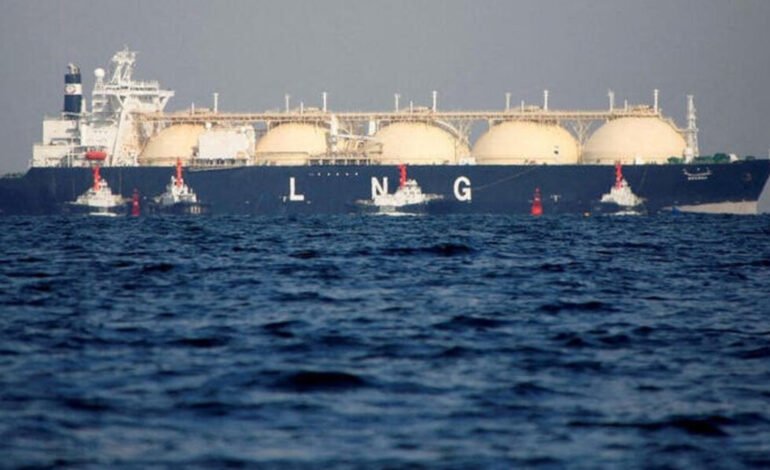
Bangladesh received a significant boost to its energy supply chain as eight fuel-carrying vessels arrived at Chattogram Port, easing fears of an immediate fuel shortage amid escalating tensions in the Middle East. The arrival of these ships is seen as a temporary relief for the country, which heavily depends on imported oil, liquefied natural gas (LNG), and liquefied petroleum gas (LPG) to meet its energy demand.
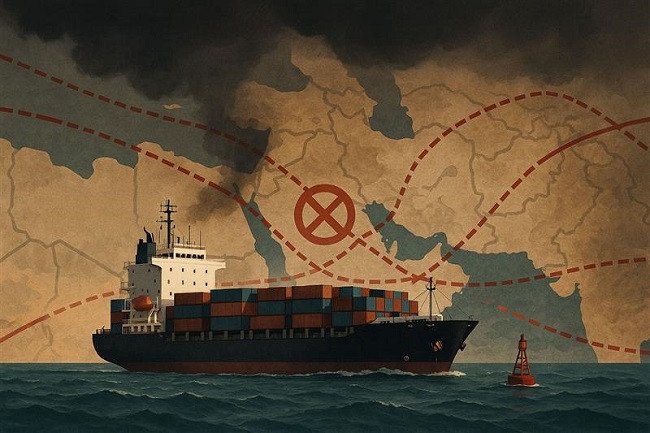
The development comes at a time when global energy markets remain volatile due to ongoing geopolitical conflict in the Middle East, particularly around the Strait of Hormuz, one of the world’s most critical shipping routes for oil and gas.
Ships Arrive After Crossing the Strait of Hormuz
According to port officials, the fuel vessels reached Chattogram Port on March 8, bringing oil and gas shipments that are crucial for Bangladesh’s energy supply system.
Importantly, these vessels had already crossed the Strait of Hormuz before tensions escalated in the region, which ensured their safe passage to Bangladesh.
Port authorities confirmed that the ships anchored without disruption, allowing unloading procedures to proceed as scheduled.
The timely arrival of these vessels is particularly important because Bangladesh has recently implemented precautionary fuel management measures amid fears of global supply disruptions.
Global Energy Routes Under Pressure
The arrival of the vessels comes against the backdrop of rising geopolitical tension in the Middle East, which has severely disrupted maritime traffic through the Strait of Hormuz.
The strait is one of the most important energy corridors in the world, carrying roughly 20% of global oil and natural gas shipments.
Following military strikes and retaliatory actions in the region, shipping traffic in the strait dropped dramatically, with many vessels halting operations due to security concerns.
More than 150 tankers were reported stranded or anchored in the Gulf, while insurance companies withdrew war-risk coverage for ships operating in the region, pushing shipping costs higher.
These disruptions have sent shockwaves through global energy markets, triggering price volatility and creating supply concerns for countries that rely heavily on imported fuel.
Bangladesh’s Heavy Dependence on Fuel Imports
Bangladesh imports most of its energy needs, including crude oil, refined petroleum products, LNG, and LPG.
The Bangladesh Petroleum Corporation (BPC) is responsible for importing and distributing fuel across the country, sourcing supplies primarily from the Middle East, including Saudi Arabia and the United Arab Emirates.
Because of this dependence, any disruption in Middle Eastern shipping routes can quickly affect Bangladesh’s energy security.
Experts say the Strait of Hormuz crisis highlights how vulnerable Bangladesh’s energy supply chain is to global geopolitical conflicts.
Government Introduces Fuel Rationing
Amid fears of supply shortages and panic buying, the government recently introduced fuel rationing measures across the country.
Authorities imposed daily purchase limits for different types of vehicles to prevent hoarding and ensure fair distribution of available fuel.
Under the directive:
- Motorcycles are allowed 2 litres of petrol or octane per day
- Private cars can purchase up to 10 litres daily
- SUVs and microbuses can receive 20–25 litres
- Heavy trucks and long-haul vehicles are allocated 200–220 litres of diesel per day
The move was intended to stabilise the market and reassure consumers that fuel supplies remain available despite global uncertainty.
Authorities also warned filling stations against illegal price hikes and hoarding.
Energy Imports Continue Despite Tensions
Officials from BPC have repeatedly stated that Bangladesh still has adequate fuel reserves and scheduled shipments, suggesting that the country is not facing an immediate fuel crisis.
The arrival of the eight vessels supports this claim and demonstrates that fuel imports are continuing, even though the global energy supply chain is under pressure.
Energy analysts say maintaining regular shipments will be critical in the coming weeks, especially if tensions in the Middle East persist.
LNG and LPG Supplies Also Affected
Beyond crude oil and diesel imports, Bangladesh is also heavily dependent on LNG and LPG imports for electricity generation and household consumption.
Recent disruptions in the global gas market have already forced Bangladesh to purchase LNG from the spot market at higher prices after supply interruptions from Qatar.
Higher import costs could put additional pressure on the country’s foreign exchange reserves and electricity generation expenses.
The arrival of gas-carrying vessels therefore provides some short-term relief for the energy sector.
Economic Implications for Bangladesh
Energy stability is crucial for Bangladesh’s economy.
Industries such as textiles, manufacturing, and transportation rely heavily on fuel supplies to maintain production and logistics operations.
Any prolonged disruption in energy imports could lead to:
- Increased electricity shortages
- Higher production costs for industries
- Inflationary pressure on goods and services
- Slower economic growth
Bangladesh’s ready-made garment sector, which accounts for more than 80% of export earnings, could also face logistical and cost challenges if fuel shortages occur.
Shipping and Trade Risks Remain
Although the arrival of the vessels provides temporary reassurance, experts warn that the situation in the Middle East remains unpredictable.
Many international shipping companies have already suspended operations through the Gulf due to security risks, while freight rates and insurance costs have increased sharply.
If the conflict intensifies or the Strait of Hormuz remains partially closed, energy imports to Bangladesh could face delays in the coming months.
This uncertainty has prompted policymakers to monitor global developments closely and explore alternative supply routes where possible.
Strengthening Energy Security
The current situation has once again highlighted the need for Bangladesh to strengthen its energy security strategy.
Experts suggest that long-term solutions could include:
- Expanding renewable energy sources such as solar and wind
- Increasing domestic gas exploration
- Diversifying fuel import sources beyond the Middle East
- Developing strategic fuel reserves
- Improving port infrastructure and logistics capacity
Projects like the Matarbari deep-sea port are expected to enhance Bangladesh’s capacity to handle large energy shipments in the future.
A Temporary Relief Amid Uncertainty
For now, the arrival of the eight fuel vessels at Chattogram Port has eased immediate concerns about a potential supply crisis.
While global energy markets remain uncertain due to the ongoing Middle East conflict, Bangladesh’s continued fuel imports provide a degree of stability for the country’s energy sector.
However, experts warn that the situation could evolve rapidly depending on geopolitical developments.
As Bangladesh navigates this period of uncertainty, maintaining stable energy supplies will remain a critical priority for policymakers and industry leaders alike.