




32 Bostami Turtles Released at Bayezid Bostami Shrine Pond: Bangladesh’s Rare Conservation Success

32 Bostami Turtles Released at Bayezid Bostami Shrine Pond: Bangladesh’s Rare Conservation Success
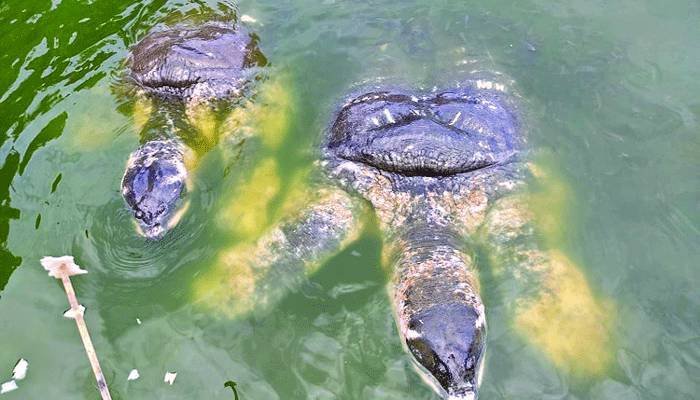
32 hatchlings of the critically endangered Bostami turtle (Nilssonia nigricans) were carefully reared and released into their natural pond habitat at the historic Bayezid Bostami Shrine, recently. This event reflects ongoing efforts to protect one of the country’s rarest freshwater species, supporting biodiversity and drawing attention to wildlife conservation challenges in Bangladesh’s urban environments.
A Rare Conservation Triumph
On 15 January 2026, 32 young Bostami turtles were released into the shrine’s main pond after spending roughly six months in a protected nursery where they were nurtured to improve their chances of survival in the wild. The release event was part of a collaborative initiative between the Bayezid Bostami Shrine authorities and the Creative Conservation Alliance (CCA), a local NGO focused on wildlife protection and habitat restoration.
The project builds on a broader effort by conservationists to revive local populations of the species, which is listed as critically endangered by the International Union for Conservation of Nature (IUCN).
Understanding the Bostami Turtle
The Bostami turtle, also known as the black softshell turtle, is a very rare freshwater species found historically in parts of Bangladesh and India, including Assam and West Bengal. Scientifically classified as Nilssonia nigricans, these turtles are unique for their soft, leathery shells and distinctive snorkel-like snouts. They were once believed to be locally extinct in the wild and are now primarily known from captivity in shrine ponds such as the one at Bayezid Bostami in Chattogram.
The Bayezid Bostami shrine has long been associated with these turtles. According to local tradition and historical accounts, a population of these turtles was introduced to the shrine’s pond centuries ago, and they have become a cultural and ecological feature of the site.
Why This Release Matters
Releasing hatchlings into the pond is more than a symbolic gesture, it represents a strategic conservation approach aimed at enhancing the survival prospects of a species that faces significant threats.
Wild hatchlings are often vulnerable to predation and environmental pressures. By first rearing them in a protected nursery, conservationists can significantly increase their survival rates once released into a larger, more natural habitat.
Dr. Rahman from CCA noted that the turtles were raised carefully in a safe environment and monitored as they grew stronger. After reaching a size and age where they could better fend for themselves, they were returned to the pond, where they have space and food resources suited to their needs.
Conservation in Context
The Bostami turtle’s conservation story highlights broader themes in wildlife protection that resonate beyond Bangladesh:
- Species recovery efforts are most effective when they combine habitat protection, community engagement, and scientific support.
- Urban and cultural sites such as shrine ponds can play critical roles as refuges for endangered species when managed carefully and responsibly.
- Involving local communities and leaders in this case, shrine authorities can strengthen conservation outcomes and help balance cultural significance with ecological stewardship.
Shrine ponds have been used in other parts of South and Southeast Asia as important loci for turtle conservation and education because they are accessible sites where species can be protected while raising public awareness.
The Bayezid Bostami Shrine: Cultural and Ecological Significance
The historic Bayezid Bostami Shrine, located in the Nasirabad area of Chattogram, is a well-known religious and cultural landmark that attracts visitors and devotees alike. A shrine pond adjoining the main complex has become famous for its population of black softshell turtles, locally referred to as mazari, meaning “inhabitants of the mazar (shrine).”
Legends surrounding the shrine often tie the turtles to spiritual narratives associated with Hazrat Bayezid Bostami, a revered figure in local tradition, giving the species a unique place in both cultural heritage and environmental consciousness.
While water bodies in urban and shrine contexts can bring cultural benefits, they also require careful ecological stewardship to ensure that isolated wildlife populations are sustainable and healthy.
Challenges and Continued Conservation Needs
Despite this successful release, the future of the Bostami turtle remains fragile:
- Habitat constraints and small population sizes make the species vulnerable to environmental changes and limited genetic diversity.
- Human impacts such as pollution, changes in water quality, and unregulated feeding of turtles by visitors can affect health and behaviour. Conservationists stress the need for community education and habitat monitoring to ensure long-term success.
- Periodic monitoring and follow-up efforts are essential to track how well released turtles adapt and survive over time.
Initiatives like the Bayezid Bostami project demonstrate that even small-scale, community-based conservation actions can contribute to broader biodiversity goals, especially for species that are on the brink of extinction.
Wildlife Protection and Cultural Sites
The release of the 32 Bostami turtles aligns with global efforts to protect endangered species through active management and community participation. Around the world, endangered reptiles such as sea turtles, tortoises, and freshwater turtles face similar threats from habitat loss, pollution, and climate change, making conservation interventions critical at local and regional levels.
In nearby regions such as Assam and West Bengal in India, similar shrine ponds have been integrated into conservation strategies for turtle species, emphasizing habitat improvements and periodic releases of hatchlings to sustain populations.
Such cross-regional efforts underline the importance of protecting critically endangered species through coordinated action, whether at religious sites, natural wetlands, or protected reserves.
Community Engagement: A Key Ingredient
One of the success factors in the Bayezid Bostami initiative has been the involvement of both local shrine authorities and environmental NGOs like CCA. By combining cultural respect for the site with modern conservation practices, the programme can build local support and raise awareness about environmental stewardship.
Visitors to the shrine who see turtles thriving in the pond may become more invested in protecting biodiversity, turning cultural heritage sites into living classrooms for conservation education.
Beyond Conservation
The release of 32 reared Bostami turtle hatchlings into the Bayezid Bostami shrine pond represents a powerful example of how targeted conservation efforts can make a difference for critically endangered species in Bangladesh. With careful planning, community involvement, and long-term monitoring, efforts like this provide hope that even species teetering on the brink of extinction can begin to recover.
As global and local conservation communities continue to share knowledge and strategies, successes such as this one at Chattogram’s shrine offer inspiration for other species and habitats in need of protection, both in Bangladesh and beyond.