


17 Years Since the Pilkhana Tragedy: Bangladesh Remembers the Martyred Army Officers

17 Years Since the Pilkhana Tragedy: Bangladesh Remembers the Martyred Army Officers
Bangladesh is observing a solemn moment in its national history as the country marks the 17th anniversary of the Pilkhana tragedy, one of the darkest chapters in the nation’s past. The day is now officially observed as National Martyred Army Day, honoring the army officers and others who lost their lives during the 2009 mutiny at the headquarters of the then Bangladesh Rifles (BDR) in Pilkhana, Dhaka.
The commemoration reflects the nation’s commitment to remembering the victims and acknowledging the significance of the tragedy in shaping Bangladesh’s security and institutional reforms.
What Happened During the Pilkhana Tragedy
The Pilkhana massacre took place on February 25, 2009, when a mutiny erupted among members of the Bangladesh Riflesn, a paramilitary force responsible for border security and the Bangladesh Army. The uprising began at the BDR headquarters in Pilkhana, located in the capital city of Dhaka.
During the violent incident, 74 people were killed, including 57 army officers who were serving on deputation in the force. Among those killed was Major General Shakil Ahmed, the then Director General of BDR.
The killings shocked the entire nation and created a deep sense of grief within the armed forces and the public. It remains one of the most tragic security incidents in the country’s modern history.
At the time of the incident, Bangladesh was led by Prime Minister Sheikh Hasina, whose government had taken office only weeks earlier. During the crisis, her administration chose a negotiation-first approach rather than immediately launching a full military assault on the Pilkhana headquarters, with the aim of preventing further loss of life among hostages and civilians.
Government representatives, including ministers and senior officials, communicated with the mutineers to encourage them to surrender. Eventually, many rebels laid down their arms following assurances that their grievances would be heard and that they would face legal proceedings rather than immediate military retaliation. After the incident, the government oversaw extensive investigations, judicial processes, and reforms within the border security force.
Sheikh Hasina’s handling of the crisis has since been widely debated in Bangladesh, with supporters arguing that the negotiation strategy prevented further casualties, while critics question whether different decisions might have changed the outcome.
Bangladesh Observes National Martyred Army Day
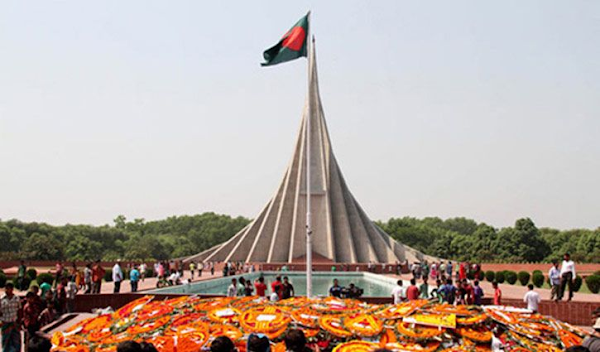
In recognition of the sacrifices made by the victims, the government officially declared the anniversary as National Martyred Army Day starting in 2025. The day is now observed annually across Bangladesh with various programs and tributes.
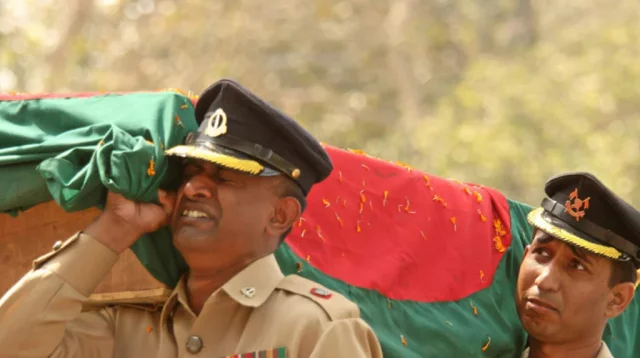
Ceremonies and memorial events are held to honor the fallen officers, reflecting national respect and gratitude for their service. The observance also serves as a reminder of the importance of unity, discipline, and security within the country’s institutions.
Across the country, people remember the victims through discussions, memorial gatherings, and official tributes, ensuring that the sacrifices of those who lost their lives are not forgotten.
The Impact on Bangladesh’s Armed Forces
The Pilkhana tragedy left a profound impact on Bangladesh’s military and security system. The loss of senior officers in a single incident was unprecedented and deeply affected the structure of the armed forces.
In the aftermath of the incident, the government and military authorities took several steps to strengthen command structures, improve security protocols, and prevent similar incidents in the future.
One of the most significant changes was the transformation of the Bangladesh Rifles into a new force known as the Border Guard Bangladesh (BGB). This reform aimed to rebuild confidence and enhance operational efficiency within the country’s border security framework.
National Grief and Public Reaction
When the tragedy occurred in 2009, it sparked widespread shock and mourning throughout Bangladesh. Citizens across the country expressed solidarity with the victims’ families and the armed forces.
The event was not only a security crisis but also a national tragedy that deeply affected public sentiment. For many Bangladeshis, the Pilkhana incident remains a painful memory that continues to resonate years later.
Over time, memorial events and discussions have become an important part of remembering the tragedy and reflecting on its lessons.
Calls from Victims’ Families
While the nation continues to honor the martyrs, families of the victims have also raised concerns and expectations regarding justice and accountability.
Some family members have urged authorities to focus on the findings of previous investigations rather than reopening cases unnecessarily. They believe that the focus should remain on ensuring justice while preserving the dignity of the victims and their legacy.
These concerns highlight the emotional and human dimension of the tragedy, reminding the nation that the impact of the event extends far beyond official statistics.
Lessons Learned from the Pilkhana Incident
The Pilkhana tragedy has become a significant case study in security management and crisis response in Bangladesh. Experts often highlight several lessons from the incident:
- The importance of strong communication between security forces
- Effective leadership and command structures
- Preventing internal conflicts within security institutions
- Ensuring transparency and accountability in governance
Over the years, these lessons have influenced policies and reforms within Bangladesh’s defense and security sectors.
Remembering the Fallen Heroes
The anniversary of the Pilkhana tragedy is not only about recalling a painful event but also about honoring the courage and dedication of the army officers who served the nation.
Through National Martyred Army Day, Bangladesh acknowledges the sacrifices of those who lost their lives and reinforces the importance of national unity.
For many citizens, remembering the victims is also a way to reaffirm respect for the armed forces and their role in safeguarding the country.
Why the Pilkhana Tragedy Still Matters Today
Even after 17 years, the Pilkhana tragedy continues to hold significance for Bangladesh. It serves as a reminder of the importance of stability, discipline, and trust within national institutions.
The incident also underscores the need for continuous reforms and vigilance to ensure that such tragedies are never repeated.
As Bangladesh moves forward, the memory of the Pilkhana martyrs remains an integral part of the country’s history and collective consciousness.
Looking Ahead
The 17th anniversary of the Pilkhana tragedy is a moment of reflection and remembrance for Bangladesh. The nation stands united in honoring the victims and acknowledging the profound impact of the event on the country’s history.
Through National Martyred Army Day, Bangladesh pays tribute to the fallen heroes while reaffirming its commitment to justice, security, and national unity.
Seventeen years after the tragedy, the memory of the Pilkhana martyrs continues to inspire respect and reflection across the nation.