


Youth Self Defense Training in Bangladesh

A New Chapter of Confidence for Young Bangladeshis
Bangladesh is entering a new chapter of youth empowerment through a national initiative that promotes youth self-defense training. This program reflects the country’s growing awareness of safety concerns among young people. Many recent surveys show that a large share of urban youth feel unsafe during daily travel. Rising population density, urban expansion, and limited open spaces add to these challenges. As concerns grow, the need for structured safety training becomes stronger.
The government responded with a major investment in youth self defense training for thousands of young participants across the country. This project aims to build confidence, focus, and resilience. It also encourages young people to move freely and safely in schools, colleges, workplaces, and public spaces. The start of this initiative marks a turning point for youth development in Bangladesh.
Why Youth Strength Matters Today
Bangladesh has one of the largest youth populations in South Asia. Nearly one third of the entire population falls within the national youth age bracket. This number highlights the importance of youth self defense training. When young people feel strong and capable, they contribute more to society. This contributes to better education, better work performance, and more confidence in daily routines.
Urban cities such as Dhaka face rapid expansion. Millions of people travel daily through crowded streets. These environments often create situations where young people feel insecure or overwhelmed. Many young women report discomfort while commuting or attending evening classes. This is why youth self defense training plays an important role in improving daily confidence.
Safety preparation is not just about physical strength. It also helps build self belief and mental stability. Young people who complete structured training tend to show more discipline. They react responsibly during stressful moments. They make decisions faster and avoid risky situations. For a growing nation like Bangladesh, these skills build a more prepared and productive generation.
Inside the Tk 27.82 Crore Government Initiative
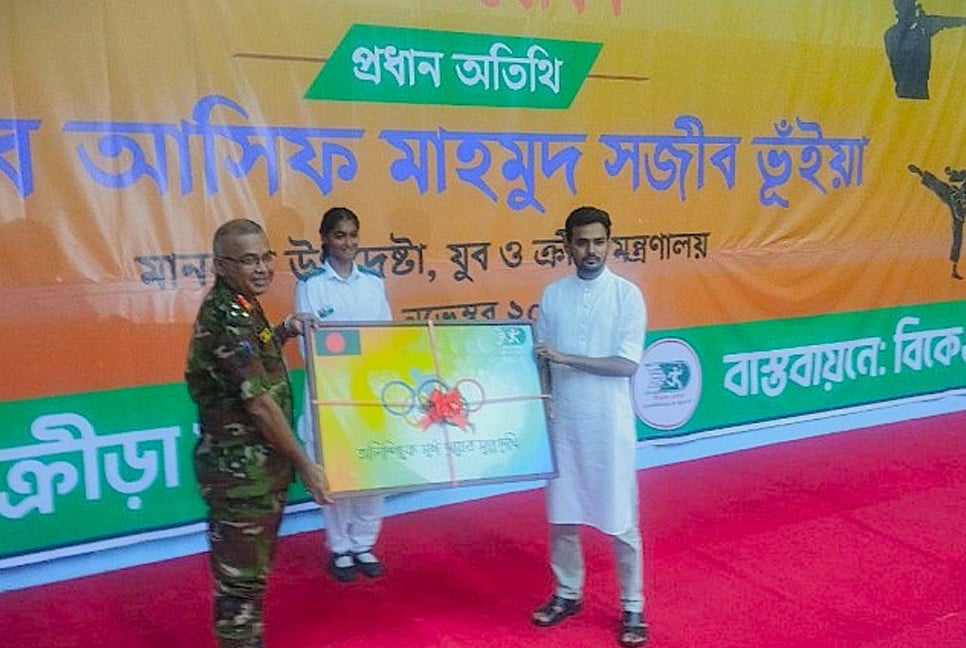
The government has approved a Tk 27.82 crore project that provides youth self defense training to 8,850 young men and women. The program will run from September 2025 to February 2028. It is fully funded by the Government of Bangladesh. The Ministry of Youth and Sports will oversee the project. BKSP will execute the training across the country.
This investment reflects a strong commitment to national development. It supports long term goals that promote a confident and skilled youth population. Decision makers approved this project through the Project Evaluation Committee under the Planning Ministry. The approval confirms that the program meets national priorities and prepares youth for the coming decades.
The involvement of BKSP adds credibility to the initiative. BKSP is the most advanced sports institution in Bangladesh. Its training system is known for producing focused and disciplined learners. Bringing youth self defense training under BKSP ensures that participants receive structured and professional guidance.
Training Centers Across All Divisions
The project will offer youth self defense training in multiple regions. BKSP will use its main campus in Savar as the central training location. It will also operate programs in Chattogram, Khulna, Sylhet, and Barishal. Youth from Rajshahi and Mymensingh will receive training in Dhaka or Dinajpur. This ensures equal access for all divisions.
Decentralised training makes participation easier. Youths do not need to travel long distances to attend sessions. This encourages higher involvement from rural communities. It also balances regional opportunity gaps. When youths from all regions receive the same quality of education, national unity strengthens.
The training centers will host sessions in batches. This method helps manage large numbers of participants. It also allows instructors to give more attention to each group. The goal is to provide a smooth and effective learning environment for every trainee.
What Participants Will Learn During Training
The project focuses on practical skills that youths can apply in real life situations. Youth self defense training includes basic martial arts, physical conditioning, situational awareness, and personal safety strategies. The sessions promote mental alertness and quick decision making. Participants also learn escape techniques that help them respond to unsafe situations.
Training begins with simple physical exercises that improve balance, strength, and flexibility. These movements prepare the body for more advanced techniques. As the sessions progress, participants learn to read body language and identify threats early. This helps them avoid risky situations before they escalate.
Another important part of youth self defense training is confidence building. Instructors teach participants how to remain calm under pressure. They learn how to breathe properly, maintain posture, and respond smartly during uncomfortable encounters. These lessons support personal growth. They also improve performance in school, sports, and future workplaces.
The training also promotes teamwork. Participants learn to practice in pairs or small groups. This builds trust, communication, and cooperation. Such qualities benefit both personal and professional life. By the end of the program, participants gain a strong sense of discipline and self belief.
The Social Value of Self Defense Education
Youth self defense training provides long term benefits to society. When young people learn safety skills, they feel more confident moving through public spaces. This reduces stress for both youths and their families. It also helps reduce harassment and bullying. Many studies show that individuals with self defense skills experience fewer incidents of insecurity.
Communities become stronger when their youths feel empowered. Parents feel more comfortable when they know their children can navigate difficult situations. Schools benefit as well. Students gain confidence and participate more in class. College campuses also experience improved discipline and respectful behavior.
Self defense knowledge also encourages emotional maturity. Young people learn self control, respect, and responsibility for their actions. These traits create stronger citizens. They also improve the social environment around them. When youths feel safe, they contribute positively to their neighborhoods.
This project also supports rural communities. Many rural youths travel long distances for education or work. Youth self defense training helps them make these journeys with confidence. As more young people become skilled, social harmony improves.
Strengthening Gender Equality Through Training
One important goal of this project is gender empowerment. Young women often face difficulties in crowded cities or during evening commutes. Youth self defense training gives them confidence to move freely. This program encourages equal participation for both young men and women. This balance supports national gender equality targets.
Training helps young women build physical and mental resilience. They learn techniques that help them avoid uncomfortable situations. They also gain confidence to stand up for themselves. This reduces hesitation during education, sports, and work opportunities. Many empowerment programs around the world show that self defense skills contribute to higher female participation in society.
Communities benefit when girls grow stronger. Families feel more secure about allowing their daughters to pursue higher education or professional careers. Women become more active in leadership roles. Gender equality improves when women feel safe and independent. Youth self defense training supports all these goals.
Contribution to National Development Goals
Bangladesh has ambitious long term developmental goals. Youth self defense training contributes to these goals by building a skilled and confident young population. A resilient youth group strengthens the future workforce. They become better employees, better leaders, and better citizens. This improves productivity across all sectors.
The involvement of BKSP also helps strengthen national sports culture. Many youths who complete the training may develop interest in athletics or coaching. This grows the country’s sports potential. It also promotes a healthy lifestyle, which contributes to lower health risks.
Future Opportunities for Trained Youths
Youth self defense training opens many new opportunities. Some participants may pursue fitness careers. Others may join schools or community centers as assistant trainers. Youths with leadership qualities may lead awareness programs in their local areas. With proper experience, they can also teach safety lessons to younger students.
Self defense training also improves self discipline, which supports success in jobs and business. Employers value confident and responsible employees. Youths who complete the program learn time management, teamwork, and self control. These skills strengthen job performance.
This training also prepares youths for unexpected situations. Life often presents challenges. A resilient outlook helps in personal and professional decisions. The program aims to build these qualities in every participant.
Building a Safer and Stronger Nation
Bangladesh is building a stronger foundation for its future by investing in youth self defense training. This program aims to create a confident, capable, and secure young generation. When youths feel strong, they dare to dream bigger. They focus better and contribute more to society.
As the project reaches all divisions, young people across the country will gain valuable life skills. They will carry this confidence into their homes, workplaces, and communities. A nation grows stronger when its youth feel safe and empowered. This project brings Bangladesh closer to that reality.
Youth self defense training is not just about fighting techniques. It is about mindset, discipline, awareness, and inner strength. It shapes the future of the nation by shaping the character of its youth. As thousands of young men and women join this training, Bangladesh moves toward a brighter and more secure tomorrow.