


World Cup Uncertainty: Bangladesh Raises Concerns Over Playing in India


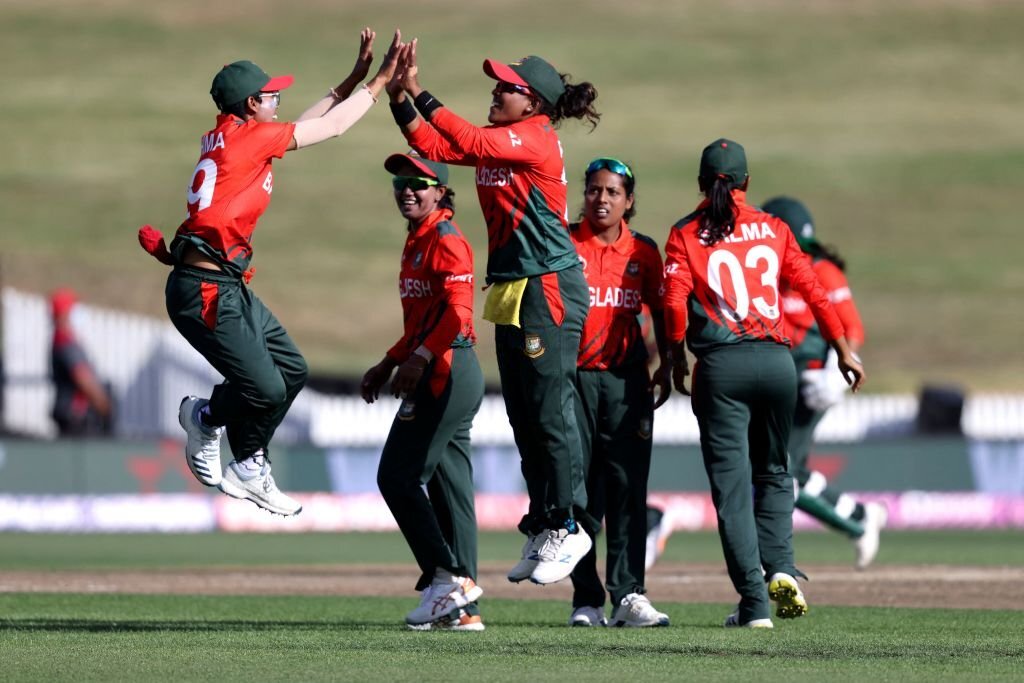
Bangladesh has taken a firm stance ahead of the ICC Men’s T20 World Cup, confirming it will not travel to India under the current conditions and formally requesting that its matches be relocated. The decision adds fresh uncertainty to a tournament set to begin on February 7, with schedules, venues, and logistics now under renewed scrutiny.
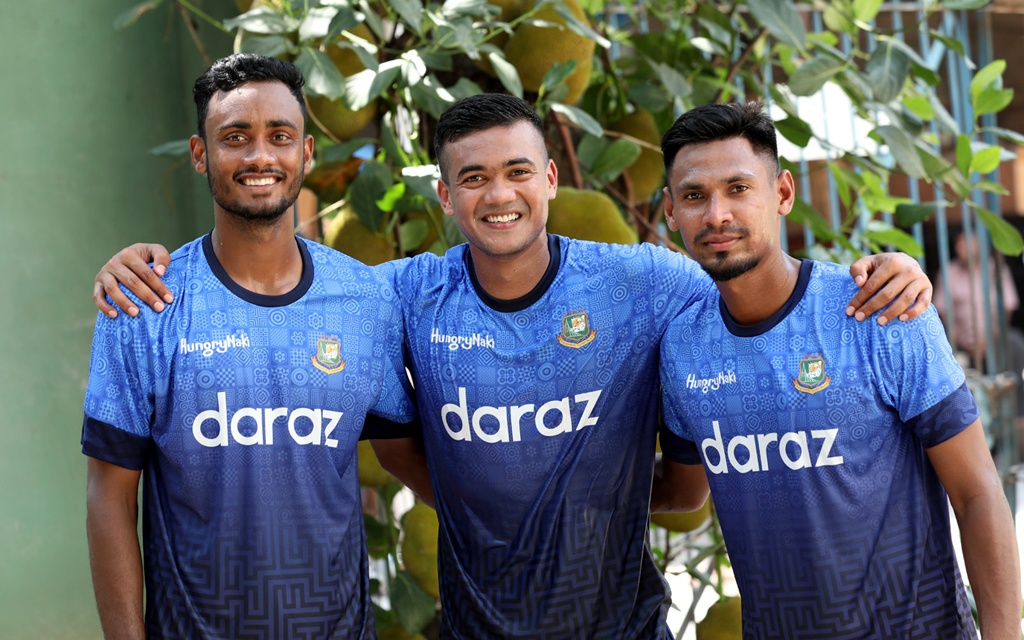
The announcement followed an emergency meeting of the Bangladesh Cricket Board (BCB), convened after a series of developments that raised concerns about player safety and competitive certainty. Chief among them was the sudden release of Bangladeshi fast bowler Mustafizur Rahman from the Indian Premier League, a move made at the request of the Board of Control for Cricket in India (BCCI).
In its statement, the BCB said it has “formally requested” the International Cricket Council (ICC) to move all Bangladesh fixtures to an alternative venue to ensure a secure and appropriate environment for the team and accompanying officials. The board stressed that the decision was taken after assessing recent security developments and consulting relevant authorities.
Schedule impact and venue implications
Bangladesh is currently slated to play all four of its group-stage matches in India, with games assigned to Eden Gardens in Kolkata and Wankhede Stadium in Mumbai. Any relocation would require rapid rescheduling, venue availability checks, and adjustments to ticketing and broadcast plans, all with the tournament less than a month away.
The World Cup is being co-hosted by India and Sri Lanka, which already hosts all of Pakistan’s matches under an ICC-arranged framework designed to avoid cross-border travel. That precedent strengthens Bangladesh’s case for relocation, though it also increases pressure on Sri Lanka’s venues, security arrangements, and accommodation capacity.
Political backdrop influencing cricket
Relations between Bangladesh and India have deteriorated in recent months following violent incidents and diplomatic disagreements. Protests and counter-protests in both countries have heightened sensitivities, while unresolved political issues have fueled public debate and media scrutiny.
These tensions have already disrupted the cricketing calendar. Bilateral tours have been postponed, and administrative decisions in franchise cricket have had direct consequences for national teams. Analysts note that while the ICC has historically sought to keep politics separate from sport, safety assessments and government advisories often leave little room for flexibility.
What the ICC may consider next
The ICC now faces a tight timeline and limited options. Possible outcomes include shifting Bangladesh’s matches entirely to Sri Lanka, splitting fixtures across neutral venues, or revising group schedules to minimize travel and risk. Any decision must balance competitive fairness, commercial obligations, and the overarching duty of care toward players and officials.
For Bangladesh, the message is clear. Participation in the tournament remains a priority, but not at the expense of security or dignity. As the countdown to the World Cup continues, the ICC’s response will be closely watched, not only for its logistical impact, but also for what it signals about cricket governance in an increasingly complex geopolitical landscape.