




FIFA World Cup Trophy Arrives in Dhaka: A Historic Moment for Bangladesh Football Fans
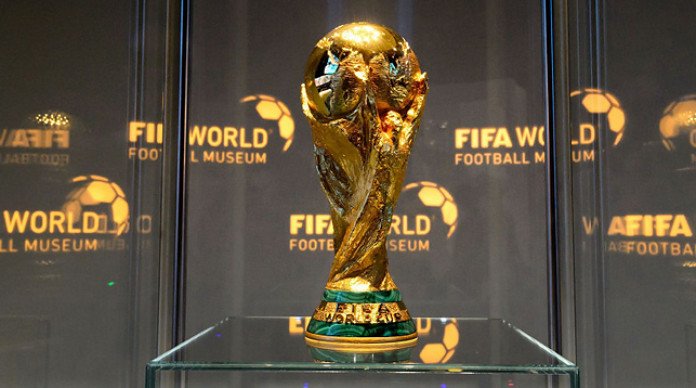
Bangladesh witnessed a momentous occasion as the FIFA World Cup trophy arrived in Dhaka, igniting enthusiasm among football fans and highlighting the growing global footprint of the world’s most iconic sporting prize. The visit of the trophy to Bangladesh not only celebrates football culture in the country but also underscores the universal appeal and deep history of the FIFA World Cup, a tournament that captivates billions across every continent.
The arrival of the FIFA World Cup trophy has drawn fans, officials, players, and members of the media, creating a festive atmosphere that reflects the passion for the global game right here in Dhaka. As Bangladesh aims to strengthen its presence in international football, the trophy’s visit serves as an inspiration for aspiring players, administrators, and supporters.
A Symbol of Global Football Excellence
The FIFA World Cup trophy represents a century of footballing history, drama, and achievement. First contested in 1930, the FIFA World Cup has grown into the most widely viewed sporting event on the planet, with its final match routinely drawing billions of viewers worldwide. It stands as the ultimate prize in international football, symbolizing excellence, unity, and competition at the highest level.
The design of the current World Cup trophy, introduced in 1974 after Brazil’s retention of the Jules Rimet Trophy, reflects a vibrant spirit. Crafted in 18-carat gold and featuring two human figures holding up the Earth, it embodies the global nature of the sport and the aspirations of every nation that dreams of lifting it.
The History and Significance of the FIFA World Cup
Origins and Early Years
The idea for an international football tournament emerged in the early 20th century as the sport grew rapidly after its codification in England. While football had been included in the Olympic Games, the Olympic event was subject to amateur rules, and nations sought an official global tournament featuring the best players.
In 1930, FIFA (Fédération Internationale de Football Association) organized the first World Cup in Uruguay. Thirteen teams participated, and host nation Uruguay became the first World Cup champion, defeating Argentina in the final. This event laid the foundation for what would become a quadrennial global festival.
Growth Through Mid-Century
The tournament expanded steadily. After the disruptions of World War II, the World Cup resumed in 1950 in Brazil, a competition remembered for its unforgettable upset when Uruguay beat Brazil in the final match — a moment forever etched in football history.
Through the 1950s and 1960s, football’s tactical evolution and the emergence of legendary players like Pelé captivated global audiences. Brazil became a dominant force, winning three World Cups by 1970 and helping solidify the tournament’s reputation.
The Modern Era
The 1974 tournament introduced the iconic trophy that remains in use today. Football continued its global spread with subsequent World Cups being hosted across Europe, the Americas, Asia, and Africa. Iconic moments such as Diego Maradona’s “Hand of God” and “Goal of the Century” in 1986, Zinedine Zidane’s performances in 1998 and 2006, and Lionel Messi and Cristiano Ronaldo’s records in the 21st century have kept the World Cup at the heart of global sporting culture.
The World Cup’s global appeal is unmatched. It brings together fans of all ages, races, and backgrounds. Nations pour resources into qualifying campaigns, and global broadcasting ensures that matches are followed in virtually every country.
The Trophy’s Visit to Bangladesh: What It Means Locally
The arrival of the FIFA World Cup trophy in Dhaka holds significance beyond a ceremonial tour. It brings global football culture closer to Bangladesh, igniting passion among both established fans and the next generation of players.
For the Bangladesh Football Federation (BFF), hosting the trophy is an opportunity to boost grassroots engagement and promote wider participation in the sport. High-level officials, local players, youth teams, and community supporters gathered to witness the historic visit, reflecting the unifying power of football.
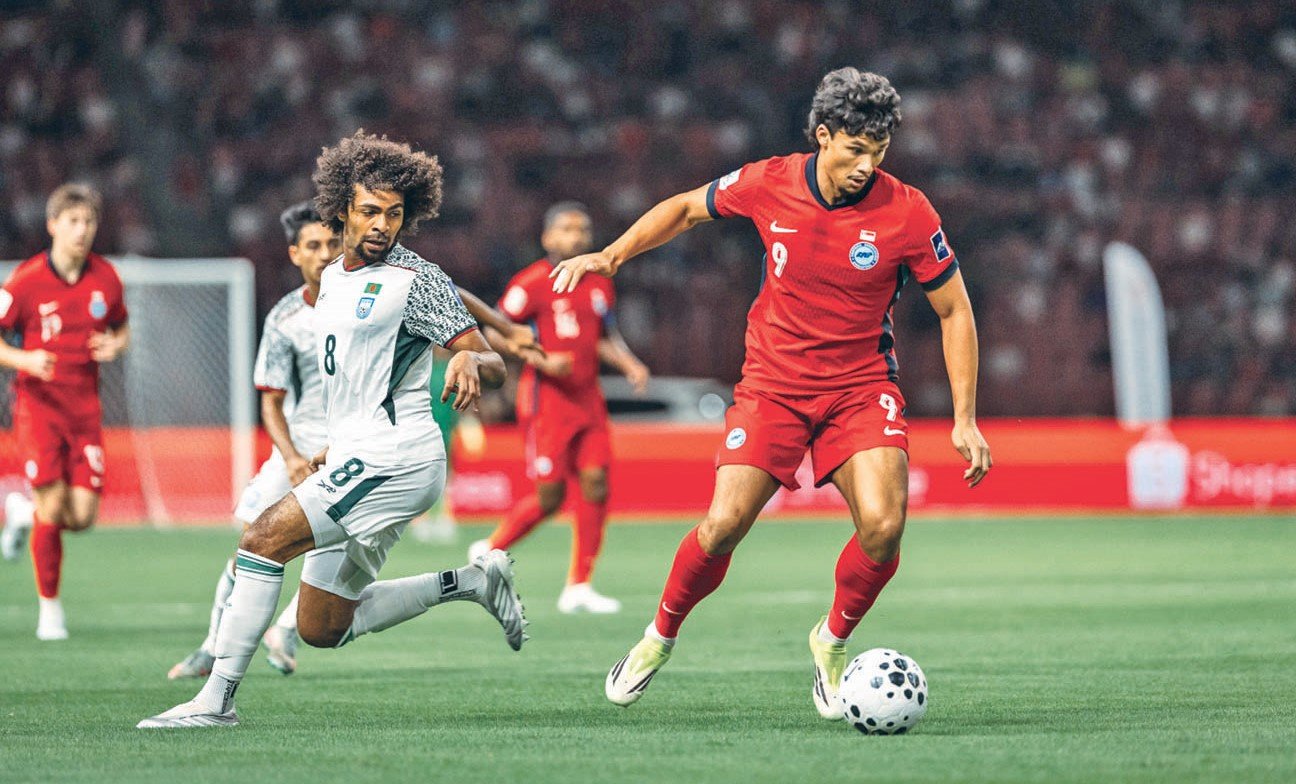
The presence of the trophy also aligns with broader efforts by football authorities in Bangladesh to strengthen national teams and improve infrastructure. Though the Bangladesh national men’s and women’s teams have yet to qualify for the FIFA World Cup, events like this elevate the profile of the sport and inspire young athletes to pursue international ambition.
Global Football Diplomacy and Cultural Exchange
FIFA often arranges trophy tours in conjunction with major World Cup cycles. These tours are not merely promotional; they serve as a form of sports diplomacy that connects diverse nations to football’s heritage and ideals.
When the trophy travels to nations outside the traditional elite football circuit, it nurtures inclusivity and shared enthusiasm. The FIFA World Cup Trophy Tour operates as a cross-cultural bridge, reminding the world that football is a universal language.
Bangladesh’s inclusion in this tour emphasizes football’s expanding reach in South Asia. With India set to host the 2026 FIFA World Cup along with the United States and Mexico, regional interest in the game is poised to grow even stronger.
Inspiring the Next Generation
One of the most meaningful impacts of the trophy’s visit is its inspirational value for young people. Seeing the symbol of global football excellence up close can transform dreams into ambition. Many young fans in Bangladesh aspire to professional careers in football, coaching, refereeing, or sports management. Events like the trophy showcase present powerful validation that global football ideals are within reach.
Schools, academies, and community clubs often use such moments to organize clinics, discussions, and workshops that educate young athletes about discipline, teamwork, and international sporting culture.
The Role of Football in Bangladesh’s Sports Landscape
Football has long been one of Bangladesh’s most popular sports. While cricket tends to dominate national attention due to historical success and fanbase size, football remains deeply rooted in community culture. Local leagues, urban futsal tournaments, and school competitions thrive across the country.
The trophy’s visit helps reinvigorate interest in the sport and could catalyze increased support for domestic football development programs. From improving coaching standards to enhancing youth pathways, the boost in visibility may influence stakeholders at both governmental and private levels.
What Happens Next: Leveraging the Momentum
In the days following the trophy’s arrival, multiple stakeholders will likely capitalize on the heightened interest:
- Football academies and schools may expand enrollment or host events showcasing football talent.
- The BFF may leverage the moment to launch campaigns to strengthen league structures, coaching, and grassroots outreach.
- Media and broadcasters will amplify coverage of global football events, further connecting local audiences with international competitions.
- Fans will take pride in engaging more deeply with football culture, sharing experiences across social media and community platforms.
The visit could also encourage collaborations with international football bodies to support coach education, referee training, and youth competitions.
The Broader Cultural Significance
Globally, the FIFA World Cup trophy is more than a sporting artifact; it is a symbol of unity, aspiration, and international friendship. When it arrives in countries like Bangladesh, it becomes a focal point for cultural pride and shared enthusiasm.
Sport has the unique ability to bring diverse communities together, fostering mutual respect and collective celebration. The World Cup embodies these ideals, making global tours of the trophy a meaningful exercise in cultural diplomacy.
A Moment to Remember
The arrival of the FIFA World Cup trophy in Dhaka is a historic milestone for Bangladesh’s football community and fans of the sport nationwide. It is an affirmation of football’s universal appeal and a reminder that the game belongs to every corner of the globe.
As Bangladesh continues to build its football identity, events like this serve as landmarks on the path to broader participation at international levels. Whether through grassroots programs, professional leagues, or national squad aspirations, the inspiration drawn from the World Cup trophy will resonate long after its visit concludes.
In a world where sport often reflects the best forms of cooperation and competition, Bangladesh’s embrace of this moment highlights its role in global sporting culture not just as a spectator but as an active participant in the shared joy of football.


