World Bank Approves $150.75m to Expand Jobs for Low-Income Youth in Bangladesh


The World Bank has approved an additional $150.75 million to expand employment and income opportunities for low-income youth and microentrepreneurs across Bangladesh, with a strong focus on women and climate-vulnerable communities.
The new financing will scale up the Recovery and Advancement of Informal Sector Employment (RAISE) Project, bringing job and livelihood support to around 176,000 more young people nationwide. This expansion builds on the project’s earlier success and significantly broadens its reach.
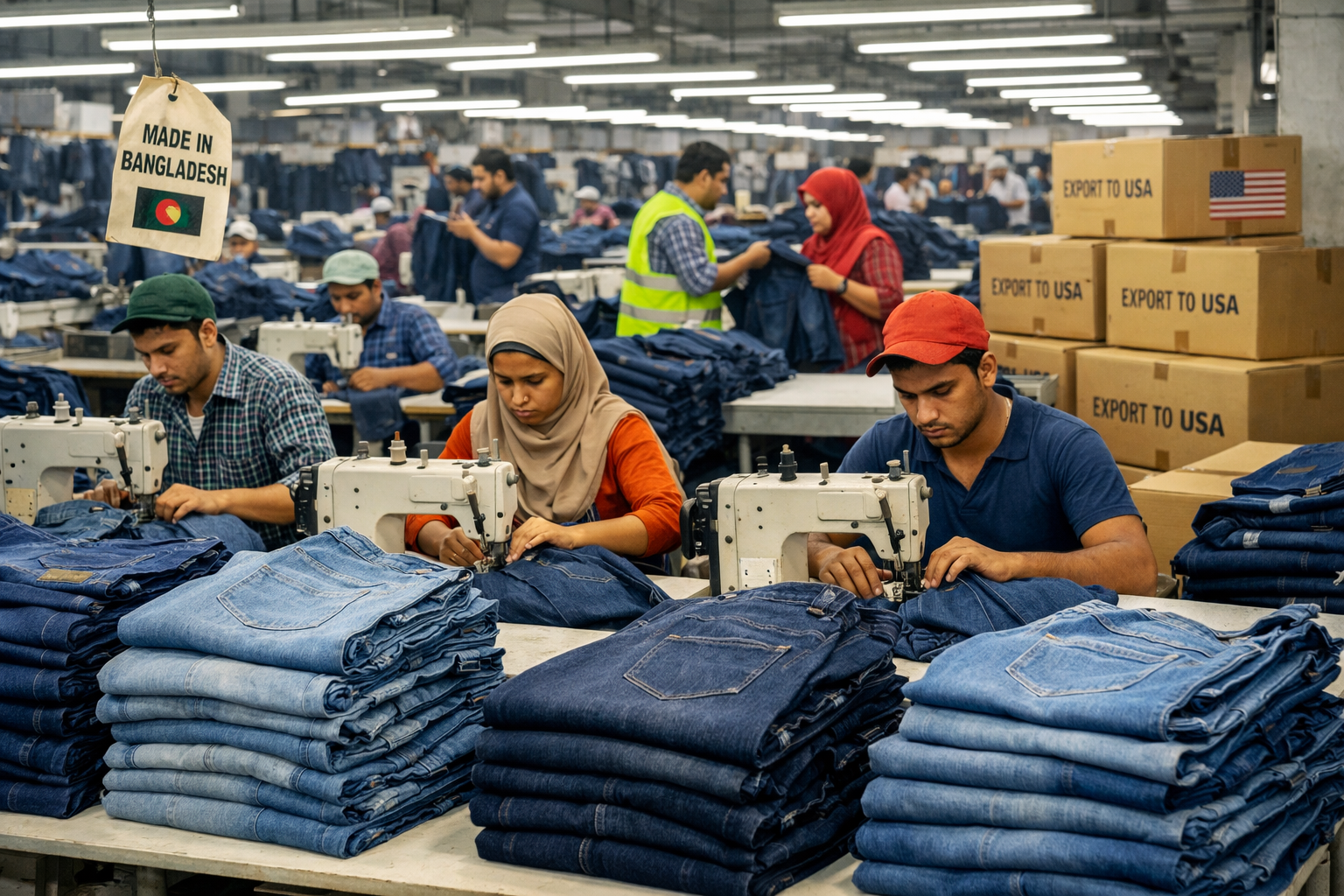
Under the enhanced programme, beneficiaries will receive skills training, apprenticeships, entrepreneurship development support, and access to microfinance. These services aim to help young people and small entrepreneurs overcome barriers such as limited skills, lack of capital, and weak market access.
A key highlight of the additional funding is its emphasis on women’s empowerment. New initiatives will promote quality childcare services, enabling more women to join and remain in the workforce. The project will also support climate-resilient livelihoods, helping vulnerable communities adapt to climate shocks while improving income stability.
The financing will further extend the project beyond major cities into rural and underserved areas, ensuring more inclusive access to employment opportunities. Job matching efforts will be strengthened through job fairs, employer linkages, and workforce connections, while life-skills training will help boost confidence, employability, and long-term workforce participation.
World Bank officials noted that the RAISE project has already delivered strong results. More than 80 percent of apprentices who completed training secured jobs within three months, demonstrating the programme’s effectiveness in connecting youth to the labour market.
With this latest approval, total World Bank support for the RAISE project now stands at $350.75 million, reinforcing Bangladesh’s efforts to address unemployment, skills gaps, and income inequality, particularly among youth and women.