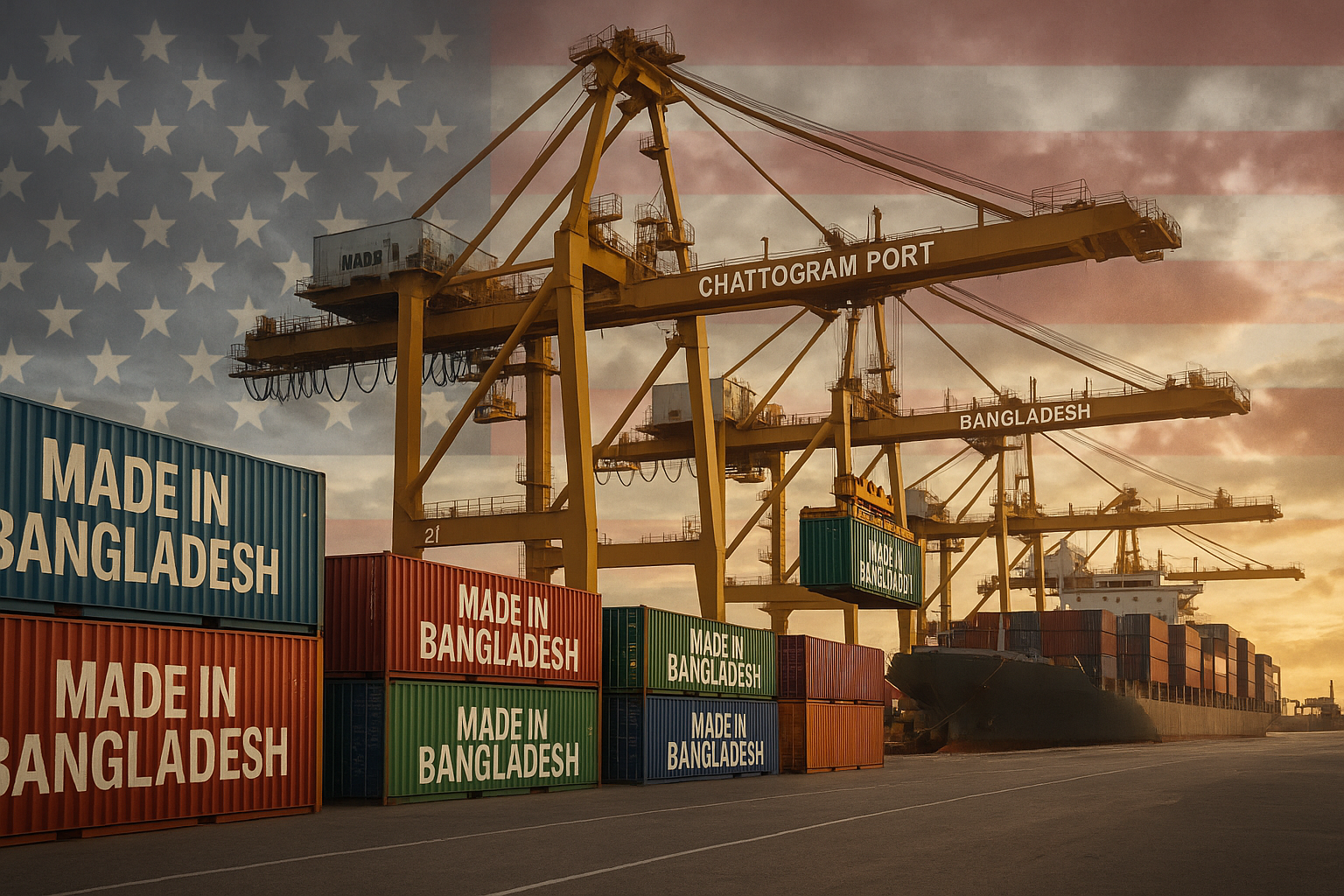




Will foreign operator at Chattogram Port reshape Bangladesh’s international trade?
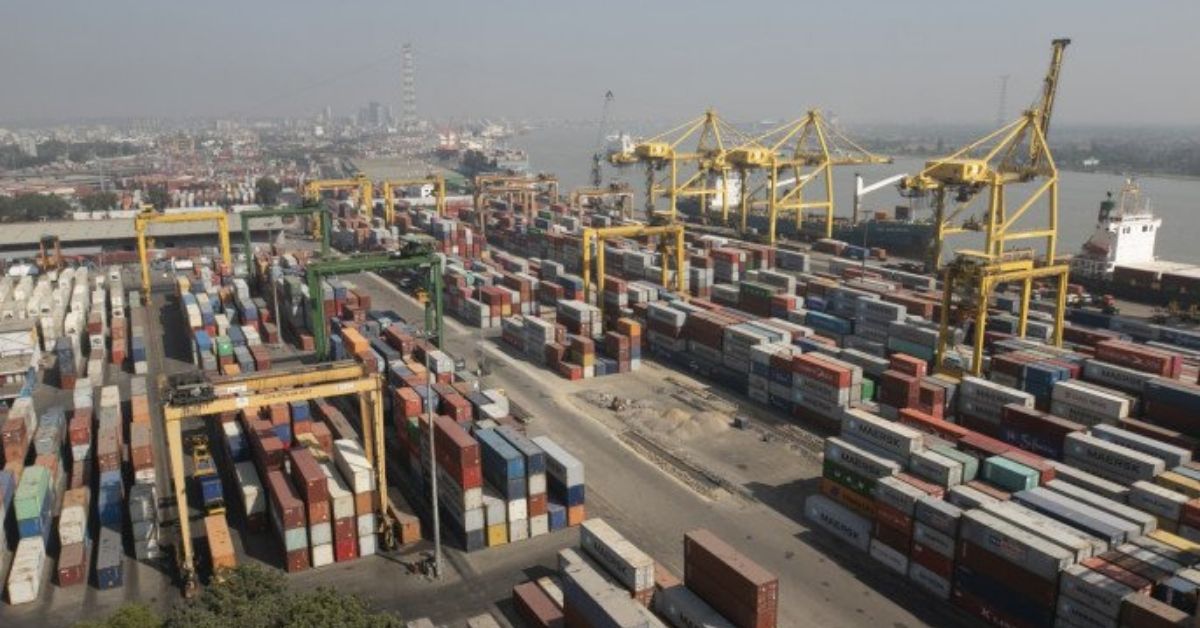

Chattogram, Bangladesh, stands at a crossroads where decades of domestic port management are meeting a new era of global partnerships, the most significant being the government’s recent move to appoint foreign operators across key container terminals, including Laldia Terminal, Bay Terminal, and the New Mooring Container Terminal, the implications reach far beyond cranes and berths, they touch competitiveness, supply chain resilience, investment flows, domestic politics, and regional trade dynamics.
Government drive and the deals, a turning point in port policy
Bangladesh’s Chattogram Port handles the overwhelming majority of the country’s externally traded container traffic, bottlenecks and delays have long been cited by exporters and shipping lines as a constraint on growth, successive governments have pursued incremental upgrades, investment in equipment, and reforms to port governance, however in 2025 policy shifted decisively toward long term concessioning and inviting major global terminal specialists to operate core facilities.
The government announced plans to appoint foreign operators for at least three terminals by December, including the New Mooring Container Terminal, Laldia Terminal, and Bay Terminal, a timetable repeated in statements from the ministries and port bodies as part of a push to modernize capacity and bring in technology, project management, and global shipping network integration.
In November 2025, agreements were signed to hand over the Laldia Container Terminal to a foreign firm under a 30 year concession, and negotiations accelerated to bring operators to NCT and Bay Terminal, with the state framing the move as essential to raise productivity, reduce turnaround times, and attract further maritime investment, the Chattogram Port Authority clarified that concessioning would not equate to foreign ownership of port land or assets, the model being long term operational control under regulatory oversight.
The immediate potentials of bringing in a foreign operator
Bringing a foreign operator promises faster throughput, standardization of operational practices, and digital yard management that directly lower ship waiting times and trucking congestion, global terminal operators routinely deploy integrated terminal operating systems, optimized quay crane scheduling, and predictive maintenance programs that squeeze idle time out of berth windows. In ports where similar transitions occurred, vessel turnaround times fell and container dwell times shortened, enabling shipping lines to offer more reliable schedules and potentially lower freight premiums for exporters, this operational uplift can translate into immediate trade competitiveness gains for Bangladesh’s garment and manufacturing exporters who rely on predictable, timely connections to global markets.
A foreign operator can also attract private and public investment in hinterland logistics, container freight stations, and feeder link capacity, the modernization of terminal processes tends to create a virtuous cycle of investment, improving the economics of value added logistics in the region, and positioning Chattogram as a more credible regional transshipment and gateway hub, this is particularly important as neighboring ports also upgrade and shipping alliances prioritize fewer, more efficient call ports.
The controversy and political pushback
Not all stakeholders welcomed the pace and secrecy of the deals, labor unions, local businesses, and certain political actors raised concerns over transparency in tendering, clarity of contract terms, potential job losses, and the perception of ceding control of strategic infrastructure to overseas companies, protests and debates followed announcements, critics argued that agreements were hastened without adequate parliamentary scrutiny, and that social safeguards for port workers and small logistics players were insufficiently detailed. These tensions underscore how technically focused reform measures can become politically charged when they affect livelihoods and national symbols such as ports.
The opposition and worker groups also voiced apprehension that an overreliance on foreign operators across multiple terminals could concentrate market power, weaken bargaining positions of local service providers, and reduce the port authority’s ability to steer long term developmental priorities, such risks are part of the debate over concession design, contract safeguards, and regulatory capacity.
How the foreign operator model can deliver capacity, technology, and governance upgrades
The Laldia project, for instance, is promoted as an opportunity to add significant new annual TEU capacity once fully built and commissioned, an experienced foreign operator typically brings immediate access to modern container handling equipment, dredging and berth design expertise, and project finance credibility that can accelerate completion timelines, these upgrades can expand the port’s effective capacity, enabling Bangladesh to handle larger volumes without disruptive investment cycles.
In parallel, foreign operators frequently introduce contractual Key Performance Indicators, commercial port benchmarking, and transparent billing systems, such institutional changes help reduce rent seeking, provide shipping lines with clearer commercial terms, and can improve revenue predictability for port authorities, the combination of infrastructure and institutional modernization is where the largest gains to international trade efficiency are realized.
Fiscal incentives and the public cost of attracting a foreign operator
To attract major global operators, governments sometimes offer tax incentives, concessionary tariffs, or tax holidays for personnel, in Bangladesh’s recent package, reports indicated temporary tax relief measures aimed at incentivizing operators and expatriate technical staff, these concessions help bridge the initial cost gap for the operator, however they also reduce near term fiscal receipts and create political debate about equitable treatment of domestic firms, the public cost must be weighed against projected gains from increased trade volumes and long term economic activity.
Fiscal design needs to ensure that any tax holiday has sunset clauses, clear job creation commitments, and mechanisms to capture upside if volumes exceed projections, otherwise the state risks outsourcing revenue that could have been used to finance complementary investments in roads, rail links, and port-side services.
Supply chain resilience and integration into global shipping networks
A foreign operator with a global footprint, strategic liner relationships, and established feeder networks can integrate Chattogram more deeply into international shipping strings, this reduces transshipment friction and can lower total logistics costs, maritime companies prize reliable gateway ports that reduce schedule variability, if Chattogram can offer faster, predictable calls, carriers may route more direct services to the port which shortens transit times for exporters and importers alike.
The presence of a major operator often signals to global investors that a port is “open for business”, this can encourage shipping related investment such as cold chain facilities for perishable exports, container leasing firms allocating capacity, and liner alliances offering new calls, the compounding benefits can materially reshape the country’s export competitiveness over a five to ten year horizon.
Operational risks, contract design, and regulatory capacity
Operational improvement depends not only on the technical competence of the foreign operator but also on contract clarity, enforcement capacity, and the quality of port governance, concession agreements must balance incentives for the operator with safeguards against monopolistic behavior, enforceable performance targets, and dispute resolution mechanisms, poorly drafted contracts can lead to long term lock in where corrective options are costly, effective regulatory oversight is essential to ensure that the foreign operator’s commercial objectives align with national economic goals.
Furthermore, integrating a foreign operator into an existing ecosystem of local labor, truckers, shipping agents, and customs processes requires careful change management, abrupt operational transitions can create short term disruptions that harm exporters and importers, the government and port authority must therefore manage sequencing and communication to minimize friction.
Comparison with other countries, lessons from global precedents
Several port transitions around the world offer instructive comparisons, in South Africa a recent concessioning and partnership with a global terminal operator aimed to upgrade operational performance at a major container terminal, the agreement focused on capacity upgrades, new equipment, and embedding global operating practices through a long term concession, however procurement and legal challenges delayed implementation, this illustrates the importance of transparent selection processes and robust legal foundations when appointing international operators.
In other regions, Gulf based operators and global players such as DP World and ICTSI have transformed port productivity by investing in digital yards, automation, and workforce training, those success stories also show that clear contractual KPIs and active joint governance structures help align public and private interests. The Bangladesh context shares similarities with these cases but differs in scale, hinterland connectivity, and the urgency of social concerns tied to employment. External comparisons underscore that a foreign operator can be transformative when matched with reforms in customs, road and rail logistics, and a predictable regulatory environment.
Economic scenarios and trade volume implications
If concessioned terminals achieve even a modest reduction in vessel turn time, Bangladesh’s exporters would see a compound benefit, faster shipments can reduce inventory lead times and lower working capital needs, logistics costs as a share of export value would fall, and the country could attract higher value manufacturing linked to just in time supply chains, over a decade these incremental improvements could elevate Bangladesh’s position in regional shipping hierarchies and increase non garment exports by enabling smoother inbound supply of inputs.
Scenario modeling by logistics experts suggests that port efficiency improvements of 15 to 30 percent often translate into measurable trade volume growth as shippers reallocate flows to faster gateways, the scale effect is amplified when multiple terminals modernize in parallel, therefore simultaneous upgrades at New Mooring, Laldia, and Bay Terminal could be synergistic, provided hinterland constraints are also addressed.
Social and labor transition issues, the human side of modernization
Modernization rarely happens without social cost, automation and tighter productivity expectations can displace some roles while changing the skill mix demanded in the workforce, port workers and unions are rightly concerned about retrenchment and the pace of change, managing this transition requires retraining programs, phased staffing plans, and social dialogue to ensure that gains in efficiency do not come at an unacceptable social price, collective bargaining, upskilling programs, and transparent redeployment plans can reduce conflict and improve long term outcomes. These human-centered measures should be built into any concession package.
Governance, transparency, and integration
Three items will determine whether the foreign operator strategy delivers its promise. First, contract transparency and fair procurement will reduce political backlash and legal challenges, second, regulatory capacity and the port authority’s ability to monitor KPIs will ensure performance aligns with national goals, third, investment in hinterland logistics, customs digitization, and multimodal links must accompany terminal upgrades to avoid creating cargo bottlenecks elsewhere. The state’s role in coordinating these complementary reforms is as important as the identity of the foreign operator itself.
A pragmatic roadmap for reshaping trade
The appointment of foreign operator at Chattogram’s principal terminals represents a strategic pivot that could substantially reshape Bangladesh’s international trade landscape, the potential benefits are significant, including higher throughput, tighter integration into global shipping networks, and renewed investor confidence, however the rewards will only materialize if contracts are well designed, regulatory oversight is strengthened, social impacts are responsibly managed, and hinterland constraints are addressed.
Foreign operator partnerships are neither panacea nor political shortcut, they are tools that, when used with prudence and comprehensive reform, can accelerate Bangladesh’s ambitions to become a regional logistics hub, the coming months will test the government’s ability to balance speed with transparency, to secure the long term interests of exporters and workers alike, and to convert the promise of modern terminals into everyday reductions in cost and time for trade.