



Why So Many Chakma Players in Bangladesh Women’s Football: The Rise of Indigenous Talent
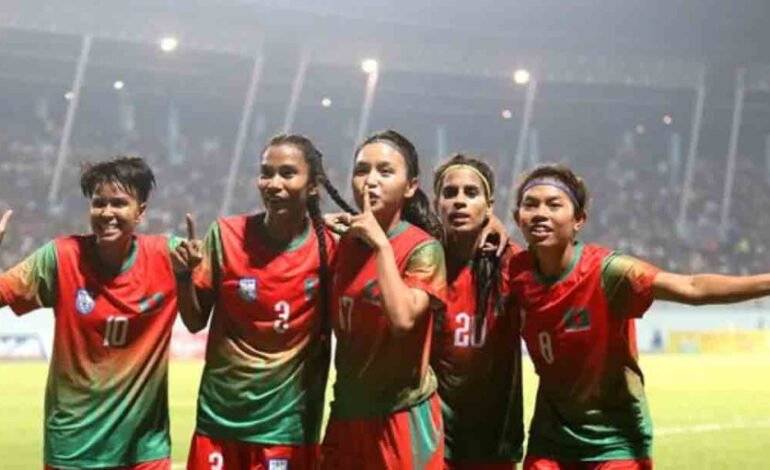
In recent years, one of the most fascinating stories in South Asian sports has been the emergence of indigenous athletes from the Chittagong Hill Tracts in Bangladesh’s women’s football scene. A glance at the squad of the Bangladesh women’s national football team reveals a clear trend.
Names like Ritu Porna Chakma, Rupna Chakma, and Monika Chakma have become synonymous with Bangladesh’s recent success in women’s football. Their rise is not a coincidence. It is the result of grassroots programs, cultural acceptance of women in sports, targeted talent scouting, and the powerful influence of role models from within the community.
A New Chapter in Bangladesh Women’s Football
Women’s football in Bangladesh has transformed dramatically over the last decade. From struggling for recognition to becoming a regional contender, the team’s success has been powered largely by players from the Chittagong Hill Tracts (CHT), particularly Rangamati and Khagrachari.
These hill districts have quietly become a talent pipeline for the national team. Many of the country’s best players grew up playing football in school fields, village grounds, and community tournaments before being discovered by national scouts.
This shift represents more than just sporting success, it highlights the growing inclusivity and diversity within Bangladesh’s football ecosystem.
The Bangamata Gold Cup: A Game-Changer
One of the most influential initiatives behind this transformation is the Bangamata Sheikh Fadzilatunnesa Mujib Gold Cup.
This nationwide primary school football tournament was designed to discover young talent across Bangladesh, including remote areas. For many girls in the Chittagong Hill Tracts, it became their first opportunity to showcase their abilities on a national platform.
The tournament helped in several ways:
- Scouts identified talented players from remote villages.
- Young athletes gained exposure to organized football.
- Players were selected for training camps and academies.
- Many eventually progressed to youth and senior national teams.
Without such grassroots competitions, many of these players might never have been noticed.
Cultural Acceptance and Community Support
Another key factor behind the high representation of Chakma players is social and cultural acceptance.
In many indigenous communities of the Chittagong Hill Tracts:
- Girls are encouraged to participate in outdoor activities.
- Physical work and sports are a normal part of daily life.
- Families often support daughters pursuing athletics.
In contrast, some parts of rural Bangladesh still face social barriers that discourage girls from playing sports. As a result, the hill districts have produced a relatively larger pool of female athletes willing to compete seriously.
This cultural openness has given Chakma girls a crucial head start in football development.
The Role of Local Academies and Training Centers
Grassroots football development in Bangladesh has also benefited from localized training initiatives.
While villages like Kolsindur in Mymensingh became famous for producing women footballers, similar development efforts have gradually emerged in the Chittagong Hill Tracts. Coaches and local sports organizers have worked to identify and nurture young talent from indigenous communities.
These training setups:
- Provide structured coaching.
- Help players improve tactical awareness.
- Prepare them for national-level competitions.
- Create pathways to professional football.
As a result, players from remote hill regions now compete confidently on the international stage.
The Power of Role Models
Perhaps the most powerful driver of change has been the success of pioneering athletes.
When players such as Rupna Chakma gained recognition as one of South Asia’s best goalkeepers, it inspired thousands of young girls. Similarly, the rise of Ritu Porna Chakma as a star winger and international performer demonstrated that girls from remote villages could reach the highest levels of football.
Success stories create what many experts call a “virtuous cycle”:
- A few players succeed at the national level.
- They become role models in their communities.
- More young girls take up football.
- The talent pool grows stronger.
This cycle has been clearly visible in the Chittagong Hill Tracts.
Notable Chakma Stars in the National Team
Several Chakma players have become central to Bangladesh’s football achievements.
Ritu Porna Chakma
A dynamic winger known for speed and attacking instinct, Ritu Porna has become one of the most exciting talents in the national team. Her performances in regional tournaments have earned widespread recognition, and she has even played professionally abroad.
Rupna Chakma
Often referred to as one of the best goalkeepers in South Asia, Rupna has been a crucial figure in Bangladesh’s defensive strength. Her consistency and leadership have made her a cornerstone of the national squad.
Monika Chakma
A technically gifted midfielder, Monika is admired for her vision and ball control. She plays a vital role in linking defense and attack, making her one of the most reliable players in the team.
Emerging Talent
New players from the Chakma community continue to rise through youth tournaments and academy systems, ensuring that the pipeline of talent remains strong.
Geography and Physical Advantages
The environment of the Chittagong Hill Tracts also contributes to the development of footballers.
Growing up in hilly terrain often means:
- High physical endurance
- Strong stamina
- Agility and balance
- Active lifestyles from an early age
These physical traits can translate well into football, where speed, endurance, and quick movement are essential.
Coaches in Bangladesh have frequently noted the natural athleticism of players from these regions.
A Broader Impact on Bangladesh Football
The rise of Chakma players is not just a story about one community—it reflects a larger transformation in Bangladeshi football.
It shows:
- The importance of grassroots investment.
- The value of inclusive sports policies.
- The potential of talent beyond urban centers.
- The growing role of women in national sports.
This shift has also helped reshape how the national team is perceived, making it a symbol of diversity and unity.
Challenges and the Road Ahead
Despite the progress, challenges remain.
Players from remote regions still face:
- Limited infrastructure.
- Financial constraints.
- Travel difficulties.
- Lack of professional league opportunities.
Addressing these issues will be essential if Bangladesh wants to sustain its momentum in women’s football.
Expanding training facilities, investing in youth academies, and ensuring equal opportunities across the country could further strengthen the national team.
Looking Ahead
The dominance of Chakma players in Bangladesh women’s football is a powerful example of how grassroots development, cultural support, and inspiring role models can transform a sport.
From village fields in the Chittagong Hill Tracts to international stadiums, these athletes have redefined the identity of the national team. Their journey reflects resilience, opportunity, and the growing potential of women’s football in Bangladesh.
As more young girls follow in their footsteps, the future of Bangladesh women’s football looks brighter than ever driven by talent from every corner of the country.


