



A deeper look at the struggle, survival, and uncertainty after Korail slum fires
When a fire tears through Korail, the largest slum in Dhaka, the aftermath resembles a scene of quiet devastation. Smoke still hangs over the air, the ground is warm with ash, and the silhouettes of burnt homes stand like dark reminders of how fragile life can be for thousands of low-income families.
But beyond the destroyed tin roofs and charred belongings lies a far more complex story, one of human endurance, desperation, and the heavy emotional toll that follows every slum fire in the city.
A Community Built on Hard Work — and Constant Risk
Korail is more than just a cluster of makeshift homes; it is a self-sustaining community built by rickshaw pullers, garment workers, small vendors, drivers, cleaners, and domestic workers who keep Dhaka running.
Families spend years saving money to build a single tin room. Inside that small space, they store everything such as clothes, documents, schoolbooks, and sometimes handmade furniture passed from one generation to the next.
But the same things that make Korail vibrant also make it vulnerable.
-
Homes stand inches apart.
-
Electrical lines run like tangled webs overhead.
-
Narrow alleys make it nearly impossible for emergency vehicles to enter.
When a spark turns into a flame, the fire spreads faster than warnings can travel.
The Minutes After the Fire: A Community in Shock
Once the flames are controlled, a haunting silence replaces the noise. Families walk through the debris, trying to recognise where their rooms once stood.
Tin sheets lie twisted like paper. A half-burnt schoolbag sits abandoned on the ground.
The remains of a sewing machine or a wooden cupboard peek through the ashes. For many residents, this is not just material loss, it is the collapse of their emotional foundation.
Families Left Without Shelter
With their homes gone, families gather along the roadsides, open fields, or school compounds. Mothers wrap their children in scarves to keep them warm as night falls. Older people sit in silence, processing the shock.
The Loss of Identity and Belongings
Important documents such as national IDs, passports, job permits, birth certificates often do not survive the fire.
This leads to:
-
long delays in receiving relief
-
barriers to getting jobs
-
difficulty enrolling children back in school
Rebuilding life becomes almost impossible without these papers.
Children’s Silent Suffering
Children look for familiar items: a toy, a schoolbook, or even a pair of shoes. Losing these small but meaningful things often affects them emotionally, leaving them anxious and unsure about their future.
Relief Arrives — But the Struggle Continues
Government agencies, NGOs, and volunteers rush in with food, water, blankets, and temporary tents. These efforts provide instant relief but only for the first few days.
Temporary Tents Are Not Enough
Families sleep under plastic sheets tied to bamboo poles. Rainwater drips inside, making the ground muddy. Clothes remain damp. Cooking becomes difficult.
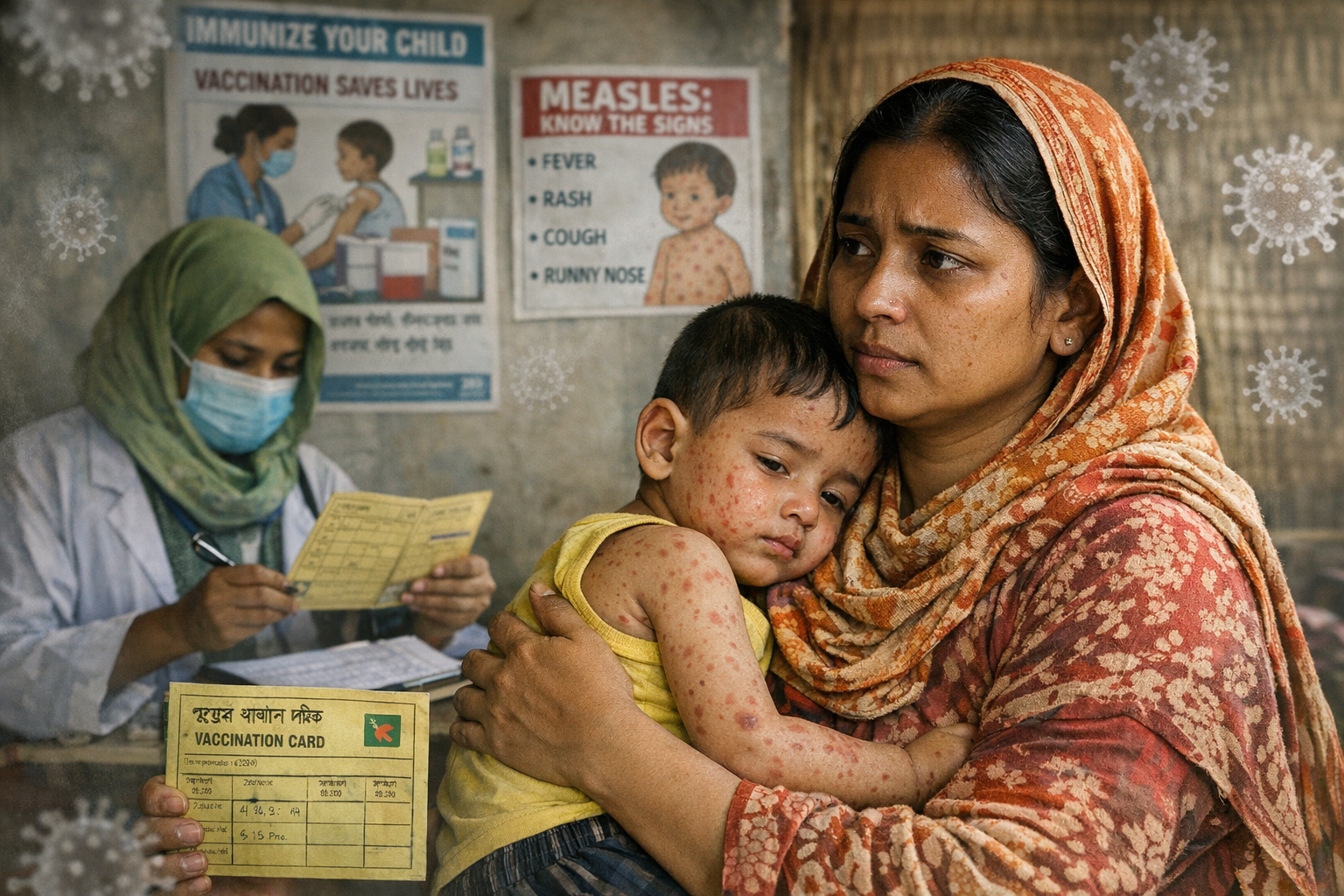
These conditions increase the spread of infectious diseases and create extra stress, especially for children and the elderly.
Rebuilding Begins Almost Immediately
Because waiting for formal rehabilitation is not an option, families start rebuilding homes with whatever scraps they can collect:
-
corrugated tin picked from the burnt area
-
bamboo borrowed from neighbours
-
wooden planks taken from demolished structures
But this rebuilding brings back the same risks, narrow lanes, weak electrical lines, and flammable materials.
The Hidden Economic Crisis Behind Every Korail Fire
Slum fires are not just humanitarian tragedies; they also cause long-term financial ruin.
Loss of Livelihood Tools
Many residents’ livelihoods depend on tangible items:
-
rickshaw pullers lose their rickshaws
-
tailors lose their sewing machines
-
tea stall owners lose their shop setups
-
street vendors lose their stock
Without these tools, they cannot work or earn.
Debt Becomes Inevitable
To rebuild homes or restart small businesses, many families borrow money from informal lenders who charge high interest rates. This triggers a cycle of debt that some never escape.
The Long-Term Reality: The Crisis Doesn’t End When the Fire Does
Even after families rebuild their homes, the lasting impact remains.
Education Interrupted
Children may stay out of school for weeks. Some never return, as their families struggle to pay for uniforms, books, and admission fees.
Emotional Trauma
Residents live with constant fear, every spark, gas leak, or electrical glitch reminds them of past fires.
Threat of Eviction
Because Korail is built on government land, residents have no ownership rights. After big fires, rumours of eviction often circulate, adding to the community’s anxiety.
Why These Fires Keep Happening
The root causes are structural and longstanding:
-
unplanned housing growth
-
unsafe electrical connections
-
lack of fire hydrants
-
absence of proper access roads
-
extreme population density
Without addressing these issues, every rebuilding effort becomes temporary.
A Larger Question: How Long Will Korail Keep Burning?
If Dhaka is to become a modern, resilient city, slum safety cannot be treated as secondary. Fires in Korail affect not only the residents but also the city’s workforce, economy, and social stability.
What Needs to Change?
To genuinely protect residents, long-term initiatives are necessary:
-
Affordable, safe housing alternatives
-
Community fire-prevention training
-
Legal protection against sudden eviction
-
Proper electricity and gas infrastructure
-
Wider roads and fire access routes
-
A government-backed rehabilitation fund
Real solutions require coordination between the government, NGOs, urban planners, and the community itself.
Conclusion
After every Korail fire, families do not just lose homes, they lose stability, identity, and hope.
But despite everything, the people of Korail show extraordinary resilience. They rebuild, they support each other, and they continue working to keep the city running.
Yet resilience is not a substitute for responsibility.
If Dhaka is to truly care for its most vulnerable residents, the question should not be “How quickly can they rebuild? Why must they suffer the same tragedy again and again?”