


US Grants $235,000 to Restore Mughal-Era Musa Khan Mosque

US Grants $235,000 to Restore Historic Mughal-Era Musa Khan Mosque in Dhaka
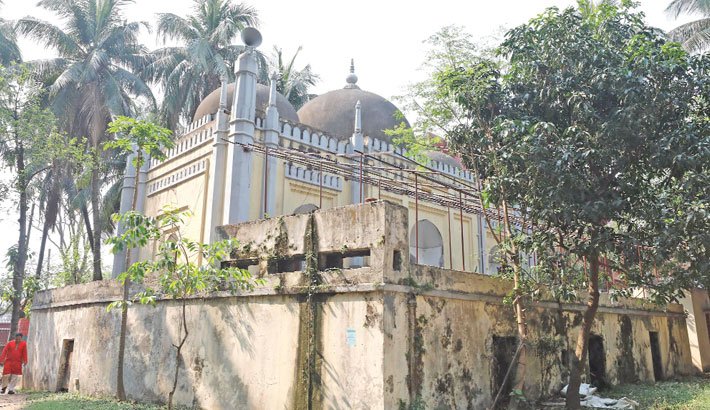
Bangladesh’s cultural heritage gets a major boost through new US-funded preservation project In a significant move for cultural heritage preservation in Bangladesh, the United States has announced a $235,000 grant to restore the historic Musa Khan Mosque in Dhaka. The funding, provided through the Ambassadors Fund for Cultural Preservation (AFCP), will support the conservation of one of the capital’s notable Mughal-era religious landmarks.
The announcement has drawn attention not only because of the financial support, but also because it reflects a broader effort to preserve Bangladesh’s historical architecture and deepen cultural cooperation between the two countries. The restoration project is expected to help protect the mosque’s original Islamic architectural features, create a permanent digital archive, and provide training opportunities for future heritage conservation professionals.
A Major Step for Heritage Preservation in Bangladesh
The Musa Khan Mosque, located on the Dhaka University campus near the Faculty of Science Building, is a surviving symbol of the Mughal architectural presence in old Dhaka. While the mosque may not be as widely discussed as some of the country’s larger or more visited heritage sites, it holds considerable historical and cultural value. Its preservation is important not only for religious and architectural reasons, but also because it represents a layer of Dhaka’s long and evolving urban history.
Historic structures like the Musa Khan Mosque often face threats from urban expansion, environmental wear, neglect, and lack of systematic conservation. In a densely populated and rapidly developing city like Dhaka, many heritage structures struggle to survive without dedicated restoration and protection efforts. This new grant is therefore being viewed as a timely and meaningful intervention.
Who Announced the Grant?
The grant was officially announced by US Ambassador Brent T Christensen at an event held at Curzon Hall, University of Dhaka. He was joined by Cultural Affairs Minister Nitai Roy Chowdhury and Sabina Alam, Director General of the Department of Archaeology.
The presence of both US and Bangladeshi officials at the event underlines the collaborative nature of the project. Rather than being a symbolic donation alone, the restoration plan appears to be part of a structured partnership involving heritage professionals, government institutions, and cultural preservation experts.
The Department of Archaeology of Bangladesh will work in partnership with the United States on implementing the project, ensuring that the restoration aligns with preservation standards and historical authenticity.
What Will the Restoration Project Include?
According to the official details reported, the project will involve three major areas of work:
1. Restoration of Islamic Architectural Features
The mosque’s distinctive Mughal-era design elements will be restored and preserved. This is especially important because architectural details often carry the strongest historical value in old religious structures. Preserving these features helps maintain the site’s authenticity and allows future generations to better understand the artistic and cultural traditions of the period.
2. Creation of a Permanent Digital Archive
A digital archive will be established as part of the project. This is a major addition because digital documentation can preserve historical records even if the physical structure suffers damage in the future. Digital archiving also supports research, education, public awareness, and long-term cultural documentation.
3. Training for Young Architects
Another important aspect of the project is the training of young architects in cultural preservation. This means the grant is not only about restoring one historic site — it is also about building local capacity for future conservation work in Bangladesh. Heritage preservation requires skilled professionals, and training initiatives like this can help create a stronger foundation for future restoration projects across the country.
Why the Musa Khan Mosque Matters
Bangladesh has a rich architectural history shaped by Sultanate, Mughal, colonial, and post-colonial influences. Among these, Mughal architecture remains especially significant because of its impact on the design of mosques, forts, gardens, gateways, and civic structures across the region.
The Musa Khan Mosque belongs to that important Mughal-era tradition. Even if it is not yet a mainstream tourist attraction, its preservation matters for several reasons:
- It contributes to Bangladesh’s historical identity
- It reflects the Islamic architectural legacy of Dhaka
- It supports heritage education and research
- It strengthens the case for preserving lesser-known monuments, not just iconic ones
Often, smaller historic sites are the most vulnerable because they receive less public attention and funding. Projects like this can help change that by showing that heritage preservation should include both famous landmarks and overlooked structures.
Part of a Larger US-Bangladesh Cultural Partnership
The grant is also notable because it forms part of a much longer history of cultural cooperation between the United States and Bangladesh. According to the statement shared by the US mission, this latest project further strengthens a 25-year cultural partnership between the two countries. Over that time, the partnership has supported 13 cultural preservation projects across Bangladesh with more than $1 million in total funding.
That figure highlights that the Musa Khan Mosque restoration is not a one-off initiative. Instead, it belongs to a broader pattern of support for preserving heritage sites and cultural assets in Bangladesh.
Such projects matter because cultural diplomacy often creates long-term value beyond politics or economics. When nations cooperate to preserve history, architecture, and cultural memory, the result can be stronger mutual understanding and a more visible commitment to protecting shared human heritage.
What Is the Ambassadors Fund for Cultural Preservation (AFCP)?
The Ambassadors Fund for Cultural Preservation (AFCP) is a program run by the US Department of State that supports cultural heritage preservation projects in countries around the world. The fund helps protect a wide range of heritage assets, including:
- historic buildings
- archaeological sites
- manuscripts
- museum collections
- traditional cultural expressions
Since its launch in 2001, the AFCP has supported more than 1,000 projects globally, according to the US State Department. The program is designed to preserve cultural heritage while also supporting education, cooperation, and public understanding.
This makes the Musa Khan Mosque project part of a much larger international preservation effort. For Bangladesh, inclusion in such programs can help bring technical expertise, global attention, and institutional support to sites that may otherwise remain underfunded or under-documented.
Why This Project Matters for Dhaka
Dhaka is one of the fastest-growing megacities in the world, but it is also one of South Asia’s most historically layered urban spaces. Beneath its traffic, concrete expansion, and dense neighborhoods lies a city with centuries of architectural memory.
Unfortunately, many old buildings and monuments in Dhaka are at risk due to:
- unplanned urban growth
- pollution and weather damage
- encroachment
- inadequate maintenance
- lack of public awareness
Preserving sites like the Musa Khan Mosque can help balance modern development with historical continuity. Heritage preservation is not about resisting urban growth — it is about ensuring that growth does not erase the cultural and historical foundations of a city.
If carried out properly, this restoration can also encourage wider discussion around heritage tourism, public education, and the protection of Dhaka’s other historic sites.
A Project with Educational and Cultural Value
One of the strongest aspects of this initiative is that it goes beyond cosmetic restoration. The inclusion of a digital archive and architectural training gives the project educational value that can extend far beyond the mosque itself.
For students, researchers, architects, historians, and policymakers, projects like this can become useful case studies in:
- Islamic architecture in Bengal
- Mughal-era preservation techniques
- heritage documentation
- conservation planning
- cultural policy and urban heritage management
This means the impact of the grant may continue long after the physical restoration is complete.
Looking Ahead
The announcement of the $235,000 US grant for the Musa Khan Mosque is a meaningful development for Bangladesh’s cultural sector. At a time when many historic structures face pressure from modernization and neglect, targeted conservation funding can make a real difference.
The success of this project will likely depend on how carefully the restoration is implemented, how well the site is documented, and whether long-term maintenance and public engagement follow after the restoration work is done.
Still, the project is already important for one clear reason: it places a valuable piece of Bangladesh’s Mughal-era heritage back into the spotlight.
And in a city like Dhaka where history often survives quietly behind modern walls that attention matters.