

The Future of Esports in Bangladesh: Opportunities, Challenges, and Rising Talent

The Future of Esports in Bangladesh: Opportunities and Challenges
A Digital Arena on the Rise
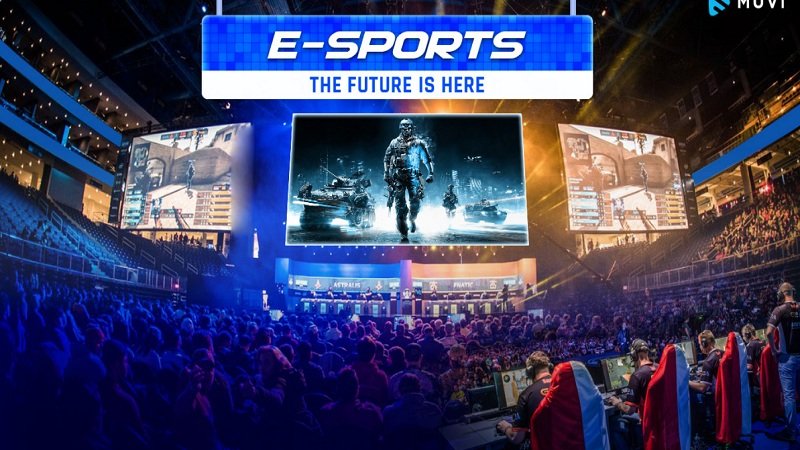
Esports in Bangladesh is no longer a niche hobby as it is evolving into a structured, competitive ecosystem. What once started as casual gaming in cyber cafes, homes has transformed into organized tournaments, professional teams, and a growing audience of millions.
With increasing internet penetration, affordable smartphones, and a young population, Bangladesh is positioned to become a significant player in the South Asian esports landscape. However, while the momentum is undeniable, the journey toward a sustainable esports industry is still unfolding.
Recent Success: Bangladesh Steps onto the Global Stage
One of the clearest signs of progress is Bangladesh’s entry into international esports competitions.
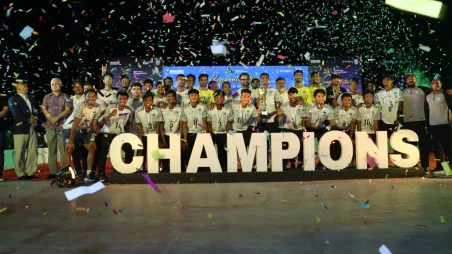
A major milestone came when CMF eSports qualified for the Honor of Kings Major League Spring 2026, marking a breakthrough moment for the country. Competing at this level signals that Bangladeshi teams are beginning to meet global standards.
In addition to this, Bangladeshi players and teams have participated in regional tournaments across South Asia, often competing against stronger ecosystems like India and Pakistan. While consistent wins remain a challenge, the exposure itself is a critical step forward.
The Ministry of Youth and Sports has granted offical recognition to e-sports in accordance with sections 2(2) and 6 of the National Sports Council Act-2018.
Popular Games Driving Esports Growth
The esports ecosystem in Bangladesh is heavily shaped by mobile gaming. Due to affordability and accessibility, mobile titles dominate the scene.
Some of the most popular esports titles include:
- PUBG Mobile
- Free Fire
- Mobile Legends: Bang Bang
- Honor of Kings
Among these, Free Fire and PUBG Mobile have built massive communities, with regular local tournaments and online competitions.
PC esports, such as Counter-Strike 2 and Dota 2, also exist but are less dominant due to higher hardware costs.
The dominance of mobile esports highlights a key characteristic of Bangladesh’s gaming culture: accessibility drives participation.
Opportunities: Why Esports Has Huge Potential
Youth Demographic Advantage
Bangladesh has a large youth population, many of whom are digitally active. This creates a natural talent pool for esports.
Young players are not only consuming content but also actively participating in tournaments, streaming, and content creation.
Low Entry Barrier
Unlike traditional sports, esports does not require physical infrastructure like stadiums. A smartphone and internet connection are enough to start.
This accessibility allows players from diverse economic backgrounds to enter the ecosystem.
Career Opportunities Beyond Playing
Esports is not limited to professional players. It creates multiple career paths, including:
- Streamers and content creators
- Tournament organizers
- Shoutcasters and analysts
- Graphic designers and video editors
- Team managers and coaches
Platforms like YouTube and Facebook have enabled many Bangladeshi gamers to monetize their content through streaming and sponsorships.
Growing Audience and Market Demand
Esports viewership in Bangladesh is steadily increasing. Live streams, tournaments, and gaming content attract thousands of viewers, especially among urban youth.
Brands are starting to notice this audience, leading to early-stage sponsorships and collaborations.
The Business Side: A Growing Industry
Esports in Bangladesh is gradually becoming a business ecosystem.
- Gaming cafes are hosting small tournaments
- Sports Marketing team organizations and managing teams
- Sponsors are exploring partnerships
The rise of esports reflects a broader shift toward digital entertainment, where gaming is no longer just leisure, it is a commercial activity.
Challenges: What’s Holding Esports Back
Despite its potential, esports in Bangladesh faces several structural challenges.
Lack of Infrastructure
High-performance gaming setups, stable internet, and dedicated esports arenas are still limited.
Many players face issues such as:
- High ping and latency
- Power interruptions
- Limited access to professional training facilities
Limited Institutional Support
Unlike traditional sports, esports lacks strong institutional backing in Bangladesh.
While there has been recognition of esports as a sport, consistent policy support, funding, and development programs are still evolving.
Financial Instability
Most esports players in Bangladesh struggle to earn stable income.
- Prize pools in local tournaments are relatively small
- Sponsorship opportunities are limited
- Many players rely on streaming rather than competitive earnings
This makes it difficult to pursue esports as a full-time career.
Social Perception
Gaming is still often viewed as a distraction rather than a legitimate profession.
Many young players face resistance from families who prioritize traditional career paths.
Changing this perception will be crucial for long-term growth.
Bangladesh vs Other Countries: The Competitive Gap
When compared to established esports nations like South Korea, China, and even regional competitor India, Bangladesh is still in an early development phase.
Countries like South Korea have long-standing esports infrastructures, professional leagues, government backing, and dedicated training facilities.
China operates a billion-dollar esports industry with large-scale tournaments and global sponsorships, while India has seen rapid growth through corporate investment and organized leagues.
In contrast, Bangladesh’s esports ecosystem remains largely community-driven, with limited institutional support and smaller prize pools. However, this gap also highlights opportunity Bangladesh is at a stage where structured investment and policy support could rapidly accelerate growth, allowing it to catch up with regional competitors.
Real-Life Scenario: A Typical Esports Journey
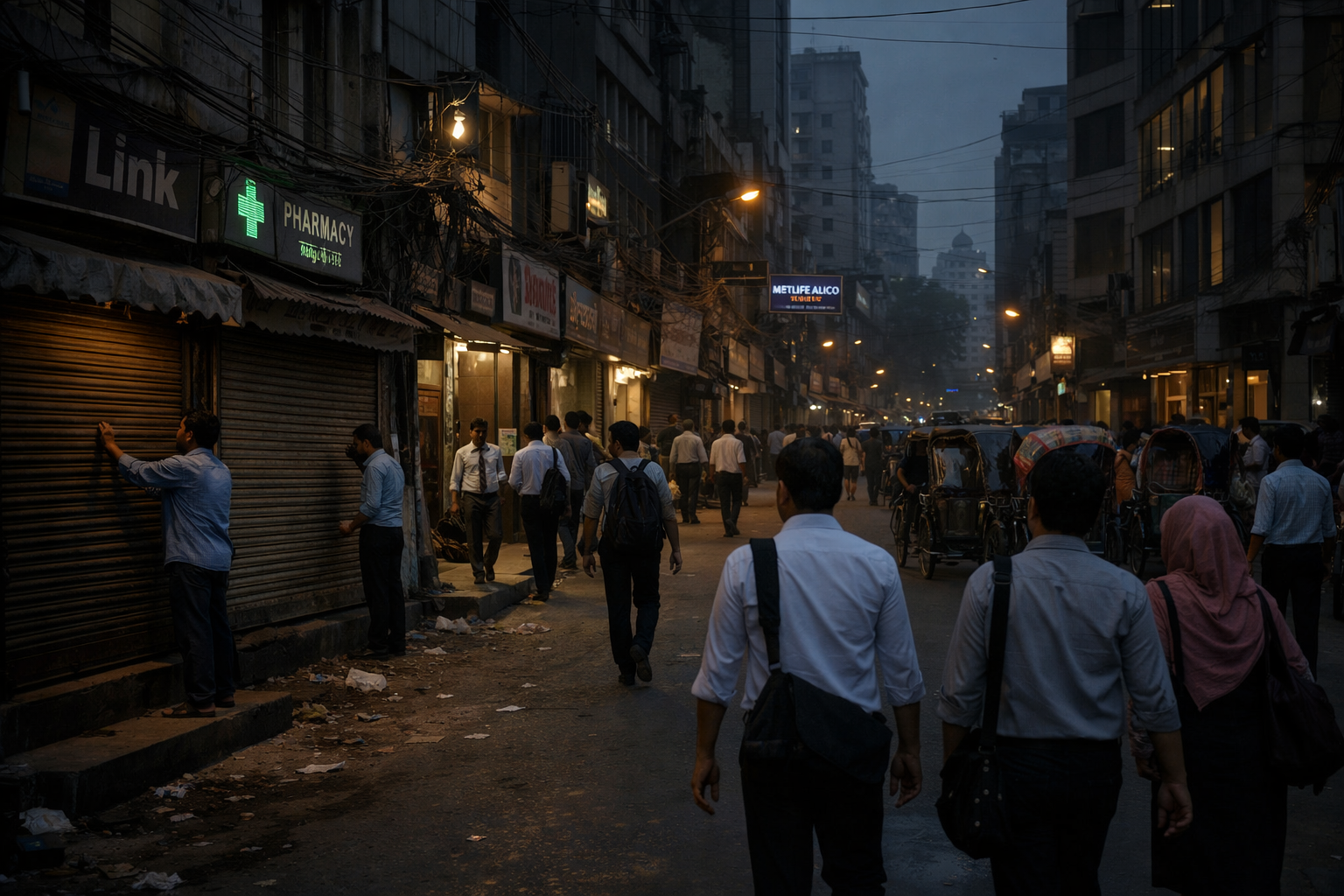
Consider a young player in Dhaka who starts playing Free Fire on a smartphone.
Initially, it’s just for fun. But over time, they join online tournaments, connect with teammates, and begin streaming gameplay.
They may earn small amounts through:
- Tournament winnings
- Streaming revenue
- Sponsorship deals
However, the journey is not easy. Without proper support, many players struggle to scale their careers.
This reflects the broader reality of esports in Bangladesh with high potential, but limited structure.
The Role of Tournaments and Community
Local tournaments play a crucial role in developing talent.
These events:
- Provide competitive exposure
- Help players build reputations
- Create networking opportunities
Online tournaments have also become more common, allowing players from across the country to participate without travel.
Community-driven initiatives are currently the backbone of Bangladesh’s esports ecosystem.
The Future: Where Is Esports Heading?
The future of esports in Bangladesh depends on several key developments:
1. Better Infrastructure
Improved internet connectivity and access to gaming equipment will enhance competitiveness.
2. Policy and Regulation
Clear guidelines and support from authorities can legitimize esports as a career.
3. Investment and Sponsorship
Brand involvement will be essential for scaling tournaments and supporting players.
4. Education and Training
Structured coaching and academies can help players reach international standards.
A Promising but Unfinished Journey
Esports in Bangladesh is at a critical stage with full of potential, yet facing real challenges.
Recent successes, such as international qualifications and growing tournament participation, show that progress is being made. Popular games and digital platforms are driving engagement, while young players continue to push boundaries.
However, for esports to become a sustainable industry, Bangladesh must address infrastructure gaps, financial limitations, and social perceptions.
The future is not guaranteed but it is promising.
If the right support systems are built, Bangladesh could transform from an emerging esports market into a competitive force on the global stage.