



Tarique Rahman’s Return After 17 Years: A Pivotal Moment in Bangladesh Politics

Tarique Rahman’s Return After 17 Years: A Pivotal Moment in Bangladesh Politics
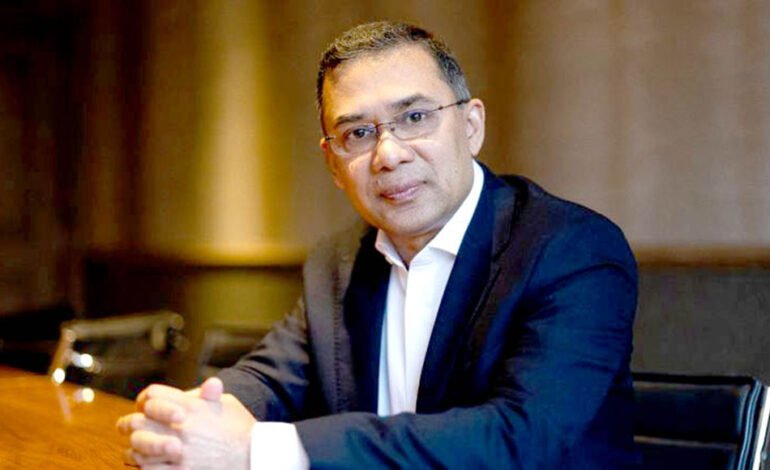
Bangladesh Nationalist Party’s (BNP) acting chairman, Tarique Rahman is set to return to the country on December 25 after nearly two decades in exile. Many observers describe it as a major turning point in Bangladesh’s political landscape. The long-awaited homecoming of one of the country’s most influential figures has generated widespread anticipation, strategic mobilisation and intense public interest across the nation, particularly as Bangladesh prepares for the 2026 general election next February.
Tarique’s return after 17 years abroad marks the end of a protracted period of political uncertainty for the BNP and its supporters. The party leadership has responded with comprehensive preparations, mobilising supporters and volunteers to welcome him amid high expectations that his arrival could reshape the party’s future and influence the broader political discourse.
The Journey Home: Final Preparations and Arrival Plan
According to party sources, Tarique Rahman will depart London Heathrow Airport today at 6:15 pm local time aboard a Biman Bangladesh Airlines Boeing 787-9 Dreamliner. After a short stopover at Osmani International Airport in Sylhet, he is scheduled to land at Hazrat Shahjalal International Airport in Dhaka around 11:45 am on December 25, 2025.
The excitement among BNP activists is palpable, with posters adorning streets across Dhaka and supporters travelling from various districts ahead of his arrival. Local leaders describe the moment as a significant emotional milestone, not just for the party leadership but also for grassroots activists who have believed in Tarique’s leadership despite years of political exile.
BNP’s Organised Strategy: Volunteers, Committees, and Special Trains
With expectations of a massive reception, the BNP has established disciplinary committees and volunteer teams at district and upazila levels to manage the influx of supporters expected in Dhaka. The party is deploying significant organisational resources to ensure the welcome is orderly and highly visible.
In anticipation of large crowds, BNP organisers have arranged special trains on 10 different routes to bring supporters from other parts of the country to the capital. Senior party figures have publicly stated that half a million people could attend the welcome event at the airport, indicating the scale of mobilisation and political energy behind Tarique’s return.
Political Context: Why Tarique Rahman’s Return Matters
Tarique Rahman is an influential figure in Bangladesh’s political arena, particularly as the acting leader of the BNP, one of the two dominant political parties in the country. His absence from Bangladesh for nearly two decades, following legal challenges and political shifts, has left a leadership vacuum that many in the party believe his return can begin to fill.
His return comes at a sensitive time, with Bangladesh scheduled to hold parliamentary elections in February 2026. The BNP sees Tarique’s presence in the country as essential to reinvigorating its campaign, galvanising support and countering the ruling coalition’s influence.
Analysts note that leadership visibility ahead of elections plays a crucial role in shaping public perception, voter enthusiasm, and party organisational coherence all of which are likely factors in the party’s strategic planning around this visit.
Mobilisation of Supporters: From Streets to Social Media
Across Bangladesh, imagery and discussions surrounding Tarique’s return have gained traction both on the ground and online. Streets in Dhaka and other major cities have been decorated with political posters and messages welcoming the BNP leader, reflecting a highly visible campaign to maximise public attention.
Social media platforms have also amplified this anticipation, with trending topics related to Tarique’s return and hashtags circulating widely among political commentators and supporters. The momentum on digital platforms mirrors the organised efforts on the ground and reflects how political communication has evolved in Bangladesh, incorporating both traditional mobilisation and modern outreach strategies.
Security and Logistical Considerations Ahead of Arrival
With large gatherings expected, concerns about security management and crowd control are significant. Bangladesh’s law enforcement and security agencies are likely coordinating with political organisers to ensure public safety and prevent disruptions.
Under election-period norms, deployment of security personnel and crowd management resources is standard practice, particularly when high-profile figures return to the country. Experts suggest that the government and party structures will need to work together to maintain a peaceful and celebratory atmosphere, avoiding potential clashes between different political factions.
Additional attention is also on traffic and public order around the airport and central Dhaka, where large crowds are expected to gather.
Reactions from Other Political Forces
Reactions from other political parties vary. Supporters of the BNP have expressed optimism, viewing Tarique’s return as a revival of their political fortunes. Meanwhile, rival parties and critics have emphasised different aspects of his political legacy, ranging from opposition to his policies to concerns about political stability and governance.
While some political commentators speculate that his return will galvanise the opposition base, others argue that it may intensify political competition and increase polarisation during an already sensitive electoral cycle.
Historical Significance and Long-Term Implications
Tarique Rahman’s return resonates beyond a single event; it is symbolic of decades-long political evolution in Bangladesh. His absence coincided with significant political upheaval, including the 2024 July Revolution and subsequent changes in leadership dynamics.
His re-entry into Bangladesh’s political landscape is likely to shape discussions on political legitimacy, party alliances, and electoral strategy in the months leading up to the election. For many supporters, it marks the potential renewal of the BNP’s active leadership within the country.
Potential Impact on 2026 General Election
With the upcoming 2026 general election, Tarique’s return has strategic importance. His leadership could strengthen the BNP’s campaign foundation, enhance recruitment of volunteers, and mobilise key demographic segments, particularly youth and regional party units.
The political environment in Bangladesh has been characterised by intense competition between major parties. Tarique’s return introduces a new variable into this landscape, likely influencing campaign tactics, discourse focus, and voter engagement strategies.
Public Sentiment: Hope, Expectation, and Political Engagement
For many ordinary Bangladeshis, Tarique’s return is more than a political event — it is a moment of deep emotion, reflection, and renewed engagement. For older supporters, it revisits an era shaped by his earlier leadership roles. For newer generations, it introduces a pivotal figure whose political choices and advocacy could influence national direction.
Public sentiment ranges across optimism, cautious anticipation, and critical scrutiny — a testament to the complexity of Bangladesh’s modern political identity.
A Defining Moment in Modern Politics
Tarique Rahman’s return to Bangladesh after nearly 17 years in exile is a defining moment in the country’s political timeline. With widespread preparations underway, strong supporter mobilisation and the context of an approaching general election, his arrival is poised to reshape political narratives, energise activist networks, and set the stage for intense engagement in the months ahead.
As Bangladesh navigates this moment, the response from political parties, government institutions, and civil society will collectively determine how this chapter influences the broader course of the nation’s democratic journey.