




From Railway Platform to Business Empire: The Success Story of Sheikh Akij Uddin & Akij Group
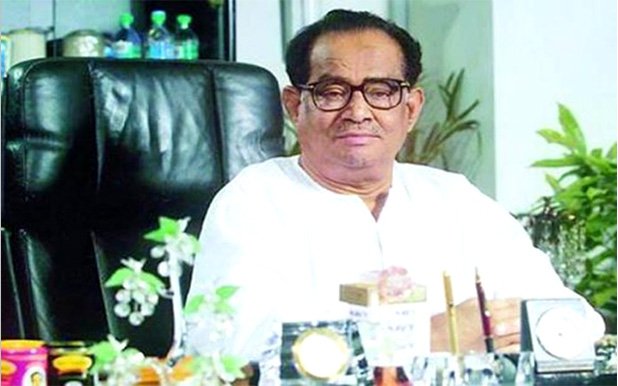

From Railway Platform to Business Empire: The Success Story of Sheikh Akij Uddin and Akij Group
In the arena of Bangladeshi business, few names resonate with the spirit of entrepreneurial perseverance like Sheikh Akij Uddin, the visionary founder of Akij Group, one of Bangladesh’s largest and most diversified industrial conglomerates. His journey from modest beginnings to building a multi-billion-taka business empire stands as a testament to grit, innovative thinking, and the transformative power of industrious ambition.
Early Life: Humble Origins in Khulna
Sheikh Akij Uddin was born in 1929 in the village of Madhyadanga in Fultala Upazila, Khulna. He was the only child of Sheikh Mofiz Uddin and Matina Begum, a family with limited resources and no access to advanced education. From a young age, economic hardships shaped his early life, and circumstances soon pushed him toward entrepreneurship rather than formal schooling.
Despite limited formal education, Akij’s enterprising spirit emerged early. As a young boy, he began selling small goods in his local area experiences that laid the foundation for his future ventures. But it was his bold decision to leave home for greater opportunities that marked the first significant turning point in his life.
Breaking Ground in Calcutta: Struggles and Survival
In the early 1940s, during a time of regional upheaval and widespread poverty, Akij Uddin migrated to Calcutta (now Kolkata) in search of work. With only a small amount of money in his pocket and no relatives to support him, he sought shelter at the Sealdah Railway Station, where he faced the harsh realities of poverty and survival.
He took on whatever work he could find from odd jobs to selling fruits he purchased at auction. His remarkable resilience caught the notice of a hotel owner, who allowed him to stay and eat in exchange for helping around the establishment. After saving some initial capital together with his earnings, Akij Uddin reinvested in a small fruit and auctioneer business, gradually growing his income despite linguistic and cultural barriers.
A series of early obstacles, including a brief jail term due to a misunderstanding with local authorities, did little to dampen his resolve. Instead, the young entrepreneur adapted, learned local languages, and continued to pursue greater opportunities eventually moving to cities like Peshawar where he doubled his savings over a couple of years.
Returning Home: Foundation of Akij’s Business Journey
By the mid-1940s, Akij Uddin returned to his homeland with valuable experience and a modest capital base. Back in Khulna district, he began exploring local business opportunities. A series of ventures followed from selling tobacco and molasses to engaging in seasonal commodity trades across rice, gram and wheat.
In 1954, he obtained his first significant government business license, enabling him to legally produce and sell tobacco products. His tobacco label, “Akij Bidi,” quickly gained popularity due to its quality and competitive pricing. Akij’s early decision to own his supply chain — buying raw materials directly and distributing finished products without depending on middlemen, distinguished him from competitors and boosted his margins.
By the mid-1950s, Akij’s businesses began scaling rapidly. He used bicycles and small delivery vans to distribute his products across Khulna, Jessore, and surrounding markets, penetrating deeper into rural and urban retail networks. His success in the tobacco and commodities trade enabled him to further invest in jute trading then referred to as the “golden fiber” and a major source of foreign exchange for East Bengal’s economy.
Building an Industrial Empire: The Birth of Akij Group
As his business interests expanded, Akij Uddin formed what would later become the Akij Group — a diversified conglomerate spanning multiple industries. In 1972, he reorganized his enterprises into a unified group structure, formalizing the foundation of what would become one of Bangladesh’s most recognized corporate entities.
Under his leadership, Akij Group ventured into sectors including:
-
Tobacco and cigarettes
-
Jute and textiles
-
Matches and safety products
-
Food and beverages
-
Printing and packaging
-
Ceramics and construction materials
-
Leather and finished goods
This diversification not only spread risk across industries but also created employment for thousands of Bangladeshis and contributed meaningfully to the country’s industrialization.
One of Akij Group’s remarkable achievements was its Dhaka Tobacco Industries Limited, which became the largest tobacco processing plant in the country. In 2018, the group sold this business unit to Japan Tobacco International (JTI) in one of Bangladesh’s largest foreign direct investment transactions, worth approximately $1.47 billion.
Leadership Philosophy: Honesty, Hard Work and Vision
Sheikh Akij Uddin’s leadership style was defined by characteristics that distinguished him from many contemporaries:
-
Resilience in adversity: His early life experiences taught him to persist even when circumstances were harsh.
-
Commitment to quality: Whether tobacco or jute, Akij emphasized product quality and delivery reliability.
-
Direct control of supply chain: By minimizing intermediaries, he ensured better pricing, control, and retailer confidence.
-
Reinvestment of profits: Instead of hoarding profits, Akij reinvested them into new ventures or expansion, driving compound growth.
-
Community influence: Beyond business, his ventures provided employment and economic activity in regions like Khulna, Jessore and beyond.
This philosophy helped Akij Group sustain growth through changing economic landscapes — from pre-independence commerce to a modern diversified corporate structure.
Legacy and Posthumous Growth
Sheikh Akij Uddin passed away in 2006, leaving behind a legacy deeply rooted in Bangladesh’s industrial narrative. The companies he founded continued under the leadership of his successors, particularly his sons, who embraced modernization and professionalization while preserving the values instilled by their father.
Today, Akij Group represents a diversified portfolio with dozens of business units, contributing to sectors like cement, ceramics, food and beverages, textiles, manufacturing and more — employing tens of thousands of workers nationwide. It has become one of Bangladesh’s largest private-sector employers, with a significant role in national exports and domestic market presence.
Even after the strategic sale of its tobacco division, the group has reinvested in new industries and continued innovation, demonstrating resilience and adaptability — qualities deeply rooted in Akij Uddin’s original vision.
Social and Economic Impact
Akij Group’s growth has had notable impacts on Bangladesh’s economy:
-
Job creation: Tens of thousands of jobs across industries.
-
Foreign investment: Sale of tobacco division to JTI attracted significant foreign capital.
-
Export contributions: Foods, construction materials and textiles have global markets.
-
Community development: Support for social services like education, health and workforce training.
The group’s commitment to growth management and social responsibility has secured its place not only as a business leader but also as a corporate citizen.
A Story of Vision and Determination
The story of Sheikh Akij Uddin is more than a business success story, it is a narrative of resilience, innovation and national impact. Rising from humble beginnings in rural Khulna to shaping one of Bangladesh’s most enduring conglomerates, his journey exemplifies how grit and strategic thinking can create long-lasting corporate and societal value.
Akij Group today stands as a living testament to his legacy, a diversified industrial powerhouse with deep roots in Bangladesh’s economic growth. From tobacco and jute to cement and consumer goods, the conglomerate’s evolution continues to reflect the entrepreneurial spirit of its founder.