

How to Beat the Fuel Crisis: Practical Solutions for Daily Commuters in Bangladesh

How to Beat the Fuel Crisis: Practical Solutions for Daily Commuters in Bangladesh
A Growing Challenge for Daily Commuters
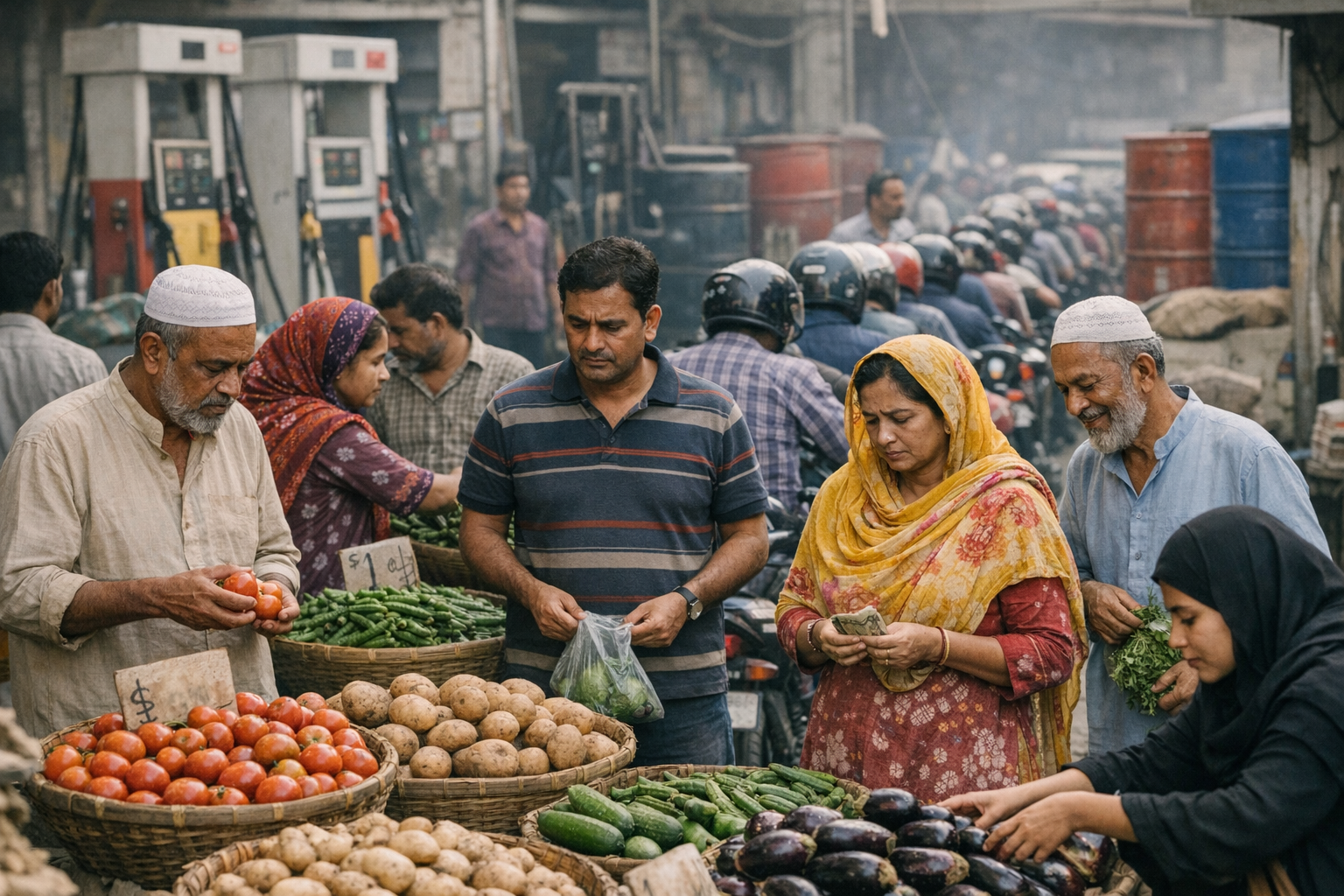
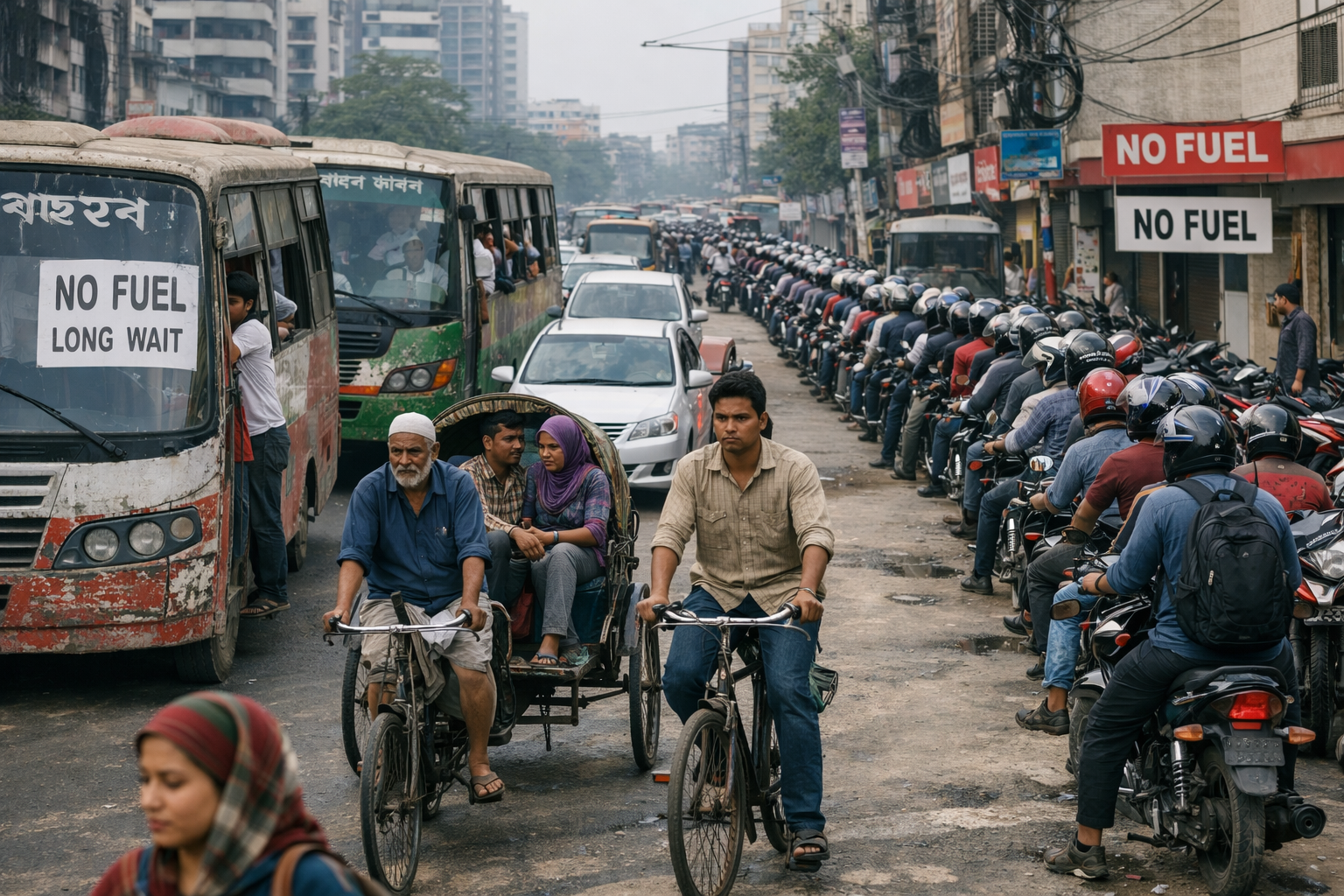
Bangladesh’s ongoing fuel crisis has quickly turned into a daily struggle for millions of commuters. From long queues at petrol stations, rising transport fares to longer waiting times and unpredictable schedules, the impact is being felt across cities especially in Dhaka, where traffic congestion already adds pressure to daily travel.
With global fuel prices increasing and supply tightening, commuting has become not only more expensive but also more uncertain. For students, office workers, and small business owners, this situation demands urgent adaptation.
The key question now is not just how to cope but how to commute smarter.
Rethinking the Daily Commute
Traditionally, many commuters in Bangladesh rely on buses, motorcycles, or ride-sharing services. While these options offer convenience, they are increasingly becoming unsustainable in a fuel-constrained environment.
Transport experts argue that the current crisis presents an opportunity to rethink mobility patterns. As one urban planner puts it, “A fuel crisis is not just a shortage but a signal that the system needs to change.”
Rather than depending on fuel-heavy options, commuters can adopt more efficient, cost-effective, and sustainable alternatives.
Public Transport: The Most Immediate Solution
One of the most effective ways to reduce fuel consumption is by shifting toward public transportation. Buses and trains, despite their limitations, remain the most fuel-efficient modes of travel when used collectively.
The growing expansion of services like the Dhaka Metro Rail has already begun to transform urban commuting. With faster travel times and lower fuel dependency, metro systems offer a glimpse into a more sustainable future.
However, challenges remain. Overcrowding, inconsistent service, and limited routes often discourage commuters. Improving these systems through better management and infrastructure is essential for long-term success.
Carpooling and Ride Sharing
Carpooling is another practical and underutilized solution in Bangladesh. By sharing rides with colleagues, neighbors, or friends, commuters can significantly reduce fuel costs and traffic congestion.
Digital platforms and social media groups can play a major role in organizing carpool networks. Even informal arrangements such as sharing rides within office communities can make a noticeable difference.
A transport analyst notes, “If just 20% of private car users switched to carpooling, fuel consumption in cities like Dhaka could drop significantly.”
Ride-sharing services already exist, but expanding them with a focus on shared rides rather than individual bookings could further enhance efficiency.
Cycling and Walking: Small Changes, Big Impact
While often overlooked, cycling and walking can be powerful solutions for short-distance travel. In densely populated urban areas, many daily trips are within a few kilometers, distances that can be covered without fuel.
Cycling not only reduces fuel consumption but also improves physical health and reduces pollution. Walking, meanwhile, remains the simplest and most accessible form of transport.
The challenge lies in infrastructure. Safe cycling lanes and pedestrian-friendly roads are still limited in Bangladesh. However, even small improvements such as dedicated lanes or better sidewalks could encourage more people to adopt these habits.
Flexible Work and Remote Options
One of the most effective ways to reduce fuel consumption is to reduce the need for travel altogether.
The recent shift toward hybrid work models, where employees work both remotely and in-office, offers a practical solution. By working from home even a few days a week, commuters can cut their fuel usage significantly.
Similarly, staggered office hours can reduce peak-time congestion, leading to smoother traffic flow and lower fuel consumption.
A corporate executive in Dhaka recently observed, “We realized during the crisis that productivity doesn’t always depend on physical presence. Reducing commute days benefits both employees and the environment.”
Smarter Travel Planning
Commuters can also adopt smarter travel habits to minimize fuel use.
Planning routes in advance, avoiding peak hours, and combining multiple tasks into a single trip can reduce unnecessary travel. Even simple decisions like choosing a shorter route or leaving earlier to avoid traffic can save both time and fuel.
Mobile apps that provide real-time traffic updates are becoming increasingly useful in this regard. By helping commuters navigate efficiently, they contribute to overall energy savings.
Electric Vehicles: A Long-Term Alternative
Electric vehicles (EVs) are gradually emerging as a potential solution to fuel dependency. While still limited in Bangladesh, their adoption is expected to grow in the coming years.
Electric rickshaws and buses are already in use in some areas, offering a cleaner and more sustainable alternative to fuel-powered transport. However, widespread adoption will require:
- Charging infrastructure
- Policy support
- Affordable pricing
For now, EVs remain a long-term solution, but they represent an important direction for the future of commuting.
Government and Policy Support
Individual efforts alone are not enough. Effective solutions require strong policy support and infrastructure development.
The government has already introduced measures such as reduced office hours and early market closures to cut energy consumption. Expanding public transport, promoting carpooling, and investing in non-motorized transport infrastructure should be the next steps.
Urban planning must also prioritize accessibility, ensuring that workplaces, schools, and essential services are located closer to residential areas. This reduces the need for long-distance travel altogether.
A Shift in Mindset
Ultimately, overcoming the fuel crisis is not just about finding alternatives, asit is about changing habits.
For many commuters, convenience has long been the top priority. But in a time of crisis, efficiency and sustainability must take its place.
As one commuter in Dhaka put it, “At first, it felt like a burden. But now I see it as a chance to save money and rethink how I travel.”
This shift in mindset is crucial. Without it, even the best policies and technologies will have limited impact.
Looking Ahead
The fuel crisis in Bangladesh is a serious challenge, but it also presents an opportunity to build a more efficient and sustainable commuting system.
From public transport and carpooling to cycling, remote work, and smarter travel planning, there are multiple ways for daily commuters to adapt. While some solutions offer immediate relief, others require long-term investment and policy support.
What matters most is a collective effort where individuals, businesses, and the government work together to reduce fuel dependence.
In the end, beating the fuel crisis is not about a single solution. It is about making smarter choices every day, choices that not only save fuel but also shape a better future for Bangladesh.