



Shocking Smartphone Tax Keeps Digital Bangladesh Out of Reach
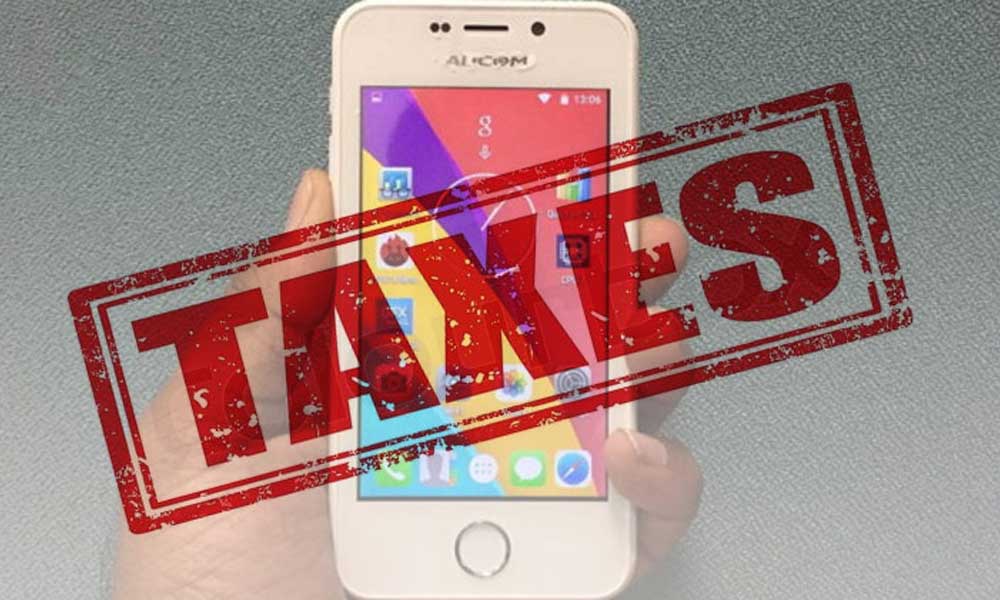

Smartphones shape daily life in Bangladesh today. People use them for banking, healthcare, education, transport, and communication. Every part of modern life depends on a reliable smartphone. Families feel this change every day. Students attend classes on digital platforms. Workers apply for jobs online. Small businesses sell products on social media. Farmers access weather updates and crop prices from apps. People now complete many tasks from home because smartphones make life easier and faster.
However, a new problem is now blocking this progress. The current smartphone tax has pushed device prices beyond the reach of many people. The growing cost makes it difficult for low income and middle income families to upgrade their phones. This situation affects the entire digital system. It slows down the growth of a digital economy. It also creates a larger gap between people who can afford smartphones and those who cannot.
Many experts now warn that Bangladesh is moving toward a serious digital divide. The top research bodies, telecom companies, and development groups all agree on this. They point to the sharp fall in smartphone sales in 2024 and 2025. They also warn that digital literacy and online service use may decline if prices continue to rise.
This feature explores the full picture. It shares the real impact of smartphone tax on consumers, the tech industry, and the national economy. It shows why affordable smartphones are essential for the next phase of Digital Bangladesh. It also explains the reforms needed to protect millions of users.
Smartphones Became Essential for Modern Survival
Smartphones are now more important than many household items. The Bangladesh Bureau of Statistics reports that over 95 percent of internet users access the internet through mobile phones. The government now delivers hundreds of services online. This includes birth registration, passport applications, admission forms, health services, tax payments, and rail tickets.
People depend on their smartphones for work as well. According to the ICT Division, nearly 8 lakh freelancers rely on a stable smartphone connection for part of their tasks. Ride sharing workers complete all their bookings through apps. Delivery workers accept and complete orders on their phones. Even small shops use digital payment apps to collect money.
Students depend heavily on smartphones. More than 40 percent of secondary level students use mobile phones for learning. Many affordable laptop options are not available. Therefore, smartphones play a key role in continuing studies.
Smartphones are also important for women in rural areas. A 2024 GSMA report found that mobile internet adoption grows rapidly among women when device prices fall. Access to a smartphone improves safety, income opportunities, and personal freedom. High prices limit these gains.
Despite this growing need, the high smartphone tax makes access harder. Families who once replaced phones every two years now hold on to old devices for double the time. Broken screens, weak batteries, and slow processors stop many people from using digital services smoothly. This reduces productivity and increases frustration.
The Rising Smartphone Tax Structure Explained Clearly
The current smartphone tax system has become complex and heavy. The effective tax on imported smartphones can go above 57 percent. This includes customs duty, regulatory duty, supplementary duty, VAT, advance income tax, and other charges. Even locally assembled phones face around 30 percent total tax when parts and components are added.
Economists at CPD explain that this is among the highest smartphone tax burdens in South Asia. India has lower rates. Nepal and Sri Lanka also apply more moderate taxes. As a result, Bangladesh ends up with higher retail prices even for the same global models.
Brands explain that a smartphone with a factory price of 100 dollars often reaches nearly 160 dollars after taxes and costs. When the device arrives in a store, the price reaches 180 dollars or more. Consumers end up paying the final amount. A phone that should cost 12000 taka can easily cross 20000 taka.
This tax structure affects mid range devices most. These phones generally offer better cameras, larger storage, and faster processors. Students, office workers, and freelancers depend on these features. High taxes make these phones too expensive for many families.
Low range smartphones also suffer. The price jump pushes them closer to mid range levels. This destroys the price segment that most Bangladeshi users depend on.
Device Prices Rise Faster Than People’s Income
Income growth in Bangladesh has slowed. Inflation continues to affect daily expenses. Families spend more on food, transport, and utilities. When incomes stagnate but smartphone tax increases, people feel the pressure.
A recent TBS report shows a sharp drop in demand for new smartphones. Consumers cannot upgrade their old phones. Many rely on unstable or damaged devices. This harms productivity at work and study. It also reduces the ability to use important government apps.
Industry data shows that smartphone shipments fell by over 20 percent in 2024. Manufacturers warn that 2025 may see an even larger drop. The Bangladesh Mobile Phone Importers Association says sales have almost halved in some quarters.
Many people buy refurbished phones or second hand devices. Some depend on unofficial markets. These devices often have no warranty and no proper software support. This makes them unsafe and unreliable.
High smartphone tax does not only limit access. It reduces safety as well. People often buy grey market phones that lack proper security updates. This increases cyber risk. It also increases the risk of fake devices in the market.
Digital Bangladesh Slows When Device Prices Rise
The country has invested heavily in its digital future. Bangladesh now ranks high in mobile data usage growth. The government introduced smart services in almost every sector. However, the success of these services depends on affordable smartphones.
When device prices rise, fewer people can join digital platforms. This slows down the impact of development programs. Experts now worry that Bangladesh will lose momentum in digital inclusion. High smartphone tax blocks millions from online education, telemedicine, and digital payments.
Banks report slow adoption of mobile banking among low income groups. Many people cannot access secure apps because their phones cannot support updated features. Doctors report that telehealth consultations drop when people cannot use good cameras or reliable connections.
Government apps also face low use. People cannot download or update apps on older phones. Storage problems create frustration. Battery issues slow down important tasks.
The entire digital ecosystem depends on updated smartphones. Without them, progress stops.
The Grey Market Expands as Prices Continue to Climb
High smartphone tax encourages illegal trading. Many people now buy phones that enter the country without proper customs procedures. These devices often sell at lower prices. However, they harm the legal market and reduce government revenue.
Retailers say that grey market phones sometimes make up nearly one third of total sales in some regions. These phones lack warranties. They may also come with modified software that puts user data at risk.
Manufacturers say that high taxes push them out of the market. When official companies struggle, jobs and investments decline. Local assembly plants also face slow sales. This threatens future growth.
Reducing smartphone tax would bring more customers back to legal markets. It would also strengthen local industry and create more jobs.
Consumers Delay Upgrades and Depend on Failing Devices
The most direct effect of smartphone tax appears in households. People wait longer to buy new devices. They try to repair old phones again and again. Many use phones with cracked screens, slow processors, and weak batteries. This slows down their performance at work or school.
A study by the Telecom Ministry in 2024 showed that nearly 40 percent of smartphone users in Bangladesh use devices older than three years. In developed digital markets, most users upgrade within two years. Old devices cause slow internet use and limit app functions.
People also stop using new digital services because their phones cannot support them. Apps require more storage and better processing power each year. Old phones cannot keep up with this demand.
High smartphone tax therefore creates long term damage. It limits digital literacy. It reduces opportunities. It also lowers productivity among working people.
Bangladesh Risks Falling Behind Global Digital Trends
Countries worldwide now invest in digital access. Many reduce smartphone tax. They introduce subsidies for students and low income families. They want to make sure citizens can join digital platforms easily.
Vietnam and Indonesia reduced taxes on smartphone parts to support manufacturing. India increased support for local mobile factories. China offers low cost devices to push digital growth.
Bangladesh introduced local assembly support, but the current high tax structure still limits growth. Market experts say Bangladesh must review the policy soon. Otherwise, the country will face a setback in digital competitiveness.
The global digital economy grows very fast. Robotics, AI, cloud services, and online work require strong devices. Bangladesh needs millions of people ready for digital jobs. High smartphone tax blocks this preparation.
A Better Policy Can Unlock Huge National Benefits
Reducing smartphone tax can create many positive outcomes. More people will buy legal devices. Sales will rise. The government will earn more revenue through higher volume. Local factories will grow. Jobs will increase. Digital services will expand.
Online learning will improve. Telemedicine will reach more people. Farmers will use smart agriculture tools. Women in rural areas will gain more independence. Youth will join global freelancing platforms more easily.
A lower smartphone tax can help Bangladesh build a stronger and more inclusive digital future. Many economists say the government should review the current system and find a balance that supports both revenue and national development.
Experts believe that a modern and stable digital economy can only grow when smartphones are affordable. High prices slow down progress and exclude millions of people from national advancement.
A Clear Call for Action on Smartphone Tax Reform
The debate is no longer about whether smartphones are necessary. They clearly are. The real question now is whether Bangladesh will make smartphones more affordable. High taxes limit opportunities for education, jobs, and economic growth. The current situation demands urgent reform.
Consumers struggle every day because they cannot buy a device that supports modern digital services. Students fall behind. Workers lose income. Businesses lose customers. The digital sector loses momentum.
The government has the power to change this. A fair smartphone tax system can support millions of users. It can also support the national goal of full digital transformation.
Bangladesh stands at a turning point. Lower smartphone tax can unlock growth, opportunity, and inclusion. The entire country will benefit from a more open digital future where no one is left behind because of high device prices.