

How Shab-e-Barat is Celebrated in Bangladesh
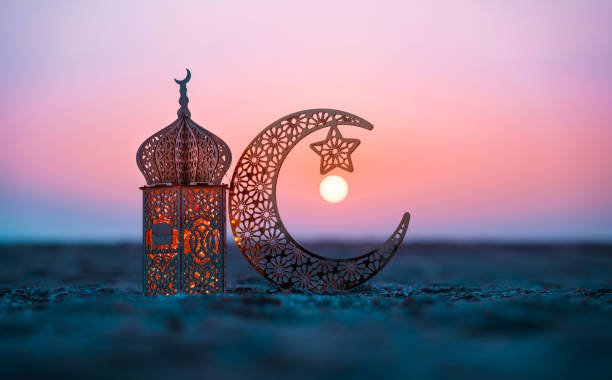

Shab-e-Barat in Bangladesh: Significance, Traditions, and the Spirit of Prayer
Shab-e-Barat, observed on the 15th night of the Islamic month of Shaban, holds deep spiritual and cultural significance for Muslims in Bangladesh and the world. Often described as a night of forgiveness, reflection, and preparation for Ramadan, the occasion blends religious devotion with long-standing traditions, especially in Bangladesh and sub continent.
While interpretations of Shab-e-Barat vary across the Muslim world, in Bangladesh it remains an important night marked by prayer, remembrance, charity, and communal sharing of food, particularly bread (ruti) and haluwa.
Religious Significance of Shab-e-Barat
The term Shab-e-Barat comes from Persian and Urdu, meaning the “Night of Salvation” or “Night of Decree.” Many Muslims believe this night offers an opportunity to seek Allah’s forgiveness, ask for mercy, and pray for well-being in the year ahead.
In Bangladesh, Shab-e-Barat is widely understood as a night for:
- Repentance and self-reflection
- Supplication (dua) for the living and the deceased
- Renewal of faith ahead of Ramadan
Although scholars differ on the extent of special rituals associated with the night, there is broad agreement that prayer, remembrance of God, and good deeds are always encouraged in Islam.
How Shab-e-Barat Is Observed in Dhaka
Nightlong Worship and Mosque Gatherings
In Bangladesh, many mosques host special nafl prayers, Qur’an recitation, and religious discussions after Maghrib and Isha prayers. Worshippers may stay late into the night, individually or in small groups, offering voluntary prayers and seeking forgiveness.
Some people choose to pray at home with family members, particularly elderly worshippers or women who may not attend mosques late at night.
Graveyard Visits
Visiting graveyards is a notable practice in Bangladesh during Shab-e-Barat. Families often go to cemeteries in the afternoon or early evening to:
- Pray for deceased relatives
- Reflect on mortality and the afterlife
In Dhaka, cemeteries such as Azimpur Graveyard see increased visitors. People recite Qur’anic verses and offer silent prayers, maintaining a solemn and respectful atmosphere.
Charity and Acts of Kindness
Giving sadaqah (voluntary charity) is an important part of Shab-e-Barat observance in Bangladesh. Many families distribute food to neighbours, the poor, or local madrasas. Others donate money, clothing, or essentials.
This emphasis on charity reflects the broader Islamic teaching that good deeds performed with sincerity benefit both individuals and society.
Bread and Haluwa: A Distinctive Bangladeshi Tradition
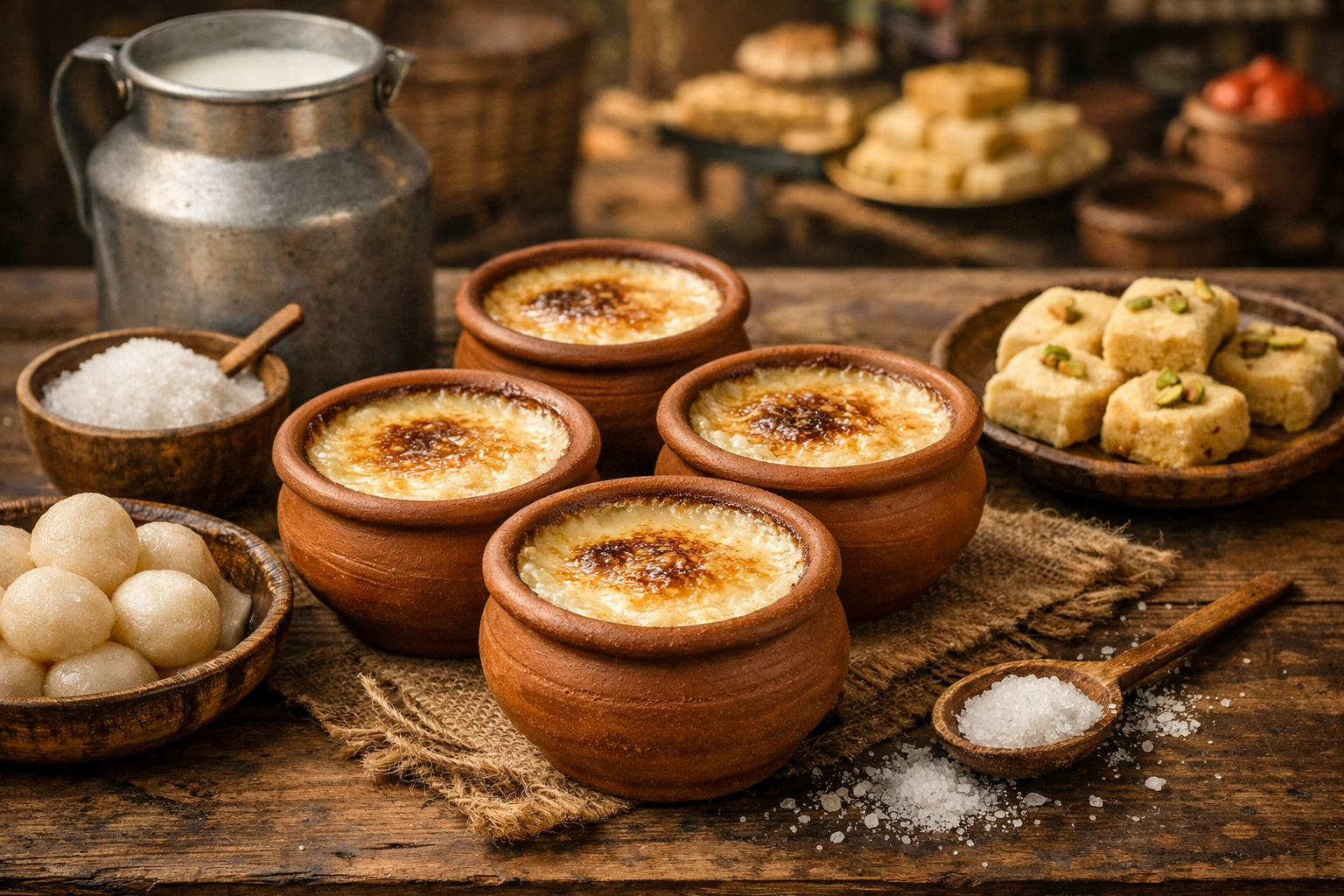
One of the most recognisable cultural aspects of Shab-e-Barat in Bangladesh is the preparation and distribution of bread (ruti) and haluwa. While not a religious obligation, this tradition has been passed down through generations and is especially visible in Dhaka’s neighbourhoods.
Why Bread and Haluwa?
The practice is rooted in the idea of sharing food as an act of goodwill and remembrance. Many families prepare these items:
- To distribute among neighbours
- To give to the poor
- To symbolically remember deceased family members
The simplicity of bread and haluwa reflects humility and community spirit rather than extravagance.
How Bread (Ruti) Is Made for Shab-e-Barat
On the day of Shab-e-Barat, many households begin preparations in the afternoon.
Ingredients commonly used:
- Wheat flour
- Water
- Salt
- Sometimes a small amount of oil.
In some areas, slightly thicker or larger rotis are prepared specifically for distribution.
How Haluwa Is Prepared
Haluwa is the centrepiece of Shab-e-Barat food preparation in Bangladesh.
Common ingredients:
- Semolina (suji) or flour
- Sugar
- Oil or ghee
- Water or milk
- Cardamom for aroma
Some families add food colouring or nuts, while others keep it plain, focusing on simplicity.
Once prepared, haluwa is portioned and shared with neighbours, relatives, and those in need.
A Night of Quiet Reflection, Not Festivity
Unlike Eid celebrations, Shab-e-Barat in Bangladesh is not marked by festivity or entertainment. The mood remains contemplative. Loud music, fireworks, or excessive decoration are generally discouraged by religious leaders.
Islamic scholars in Bangladesh often remind people that:
- The night should not be reduced to food distribution alone
- Prayer and moral reflection should remain central
This balance between faith and culture is a recurring theme in how Shab-e-Barat is observed across the country.
Fasting the Next Day
Some Bangladeshis choose to fast on the 15th of Shaban, the day following Shab-e-Barat. This fast is voluntary and observed by those who wish to engage in additional worship before Ramadan.
It is not considered obligatory, and many scholars emphasise moderation and intention.
Different Views, Shared Respect
It is important to note that not all Muslims observe Shab-e-Barat in the same way. Some follow interpretations that do not assign special rituals to the night beyond regular worship.
In Bangladesh, however, the night continues to be widely observed, and mutual respect for differing views remains an essential part of the community’s religious life.
Shab-e-Barat in Contemporary Bangladesh
In modern Dhaka, despite busy urban life, Shab-e-Barat retains its relevance. Families pause, mosques fill with worshippers, and neighbourhoods quietly engage in acts of sharing.
At its core, Shab-e-Barat in Bangladesh represents:
- A pause for self-correction
- A reminder of accountability
- A bridge between faith and community
As Ramadan approaches, the night serves as a spiritual checkpoint inviting believers to cleanse their hearts and renew their commitment to compassion and humility.
More Than a Religious Date
Shab-e-Barat in Bangladesh is more than a religious date on the calendar. It is a night where prayer meets tradition, and spirituality blends with social responsibility. From mosque prayers in Dhaka to the simple sharing of bread and haluwa, the observance reflects a deeply rooted culture of faith, remembrance, and generosity.