

Scotland Set to Step In as Bangladesh Faces T20 World Cup Participation Uncertainty

Scotland Set to Replace Bangladesh at 2026 T20 World Cup if Standoff Remains Unresolved: What It Means for Cricket
Cricket’s global community is once again focused on an unexpected diplomatic and administrative dilemma. Reports indicate that Scotland could replace Bangladesh in the 2026 ICC Men’s T20 World Cup if the ongoing standoff regarding Bangladesh’s participation, rooted in geopolitical considerations remains unresolved. The prospect of a replacement team stepping into a prestigious global event highlights the growing influence of larger political contexts on sport, and it raises significant questions about tournament integrity, competitive balance, and the future of international cricket governance.
As details emerge, cricket fans, administrators, and analysts are closely watching how this situation unfolds. This article examines the background, implications, and broader context of Scotland’s potential entry and what it means for Bangladesh, the ICC, and the global cricket calendar.
The Emerging Standoff: Bangladesh’s World Cup Participation
The core of the controversy stems from Bangladesh’s consideration of withdrawal from the 2026 T20 World Cup, co-hosted by India and Sri Lanka amid ongoing diplomatic tensions in the region. Although the Bangladesh Cricket Board (BCB) has not officially withdrawn, the uncertainty has prompted ICC discussions about contingency plans.
According to reports, the International Cricket Council (ICC) is exploring the possibility of allowing Scotland to replace Bangladesh if the standoff remains unresolved by the time fixtures and logistics need finalisation.
This represents a rare instance where global cricket authorities are actively considering replacing one qualified national team with another due to off-field issues rather than competitive performance.
Scotland’s Cricketing Profile: A Competent Contender
Scotland is a respected associate cricket nation with a growing record in limited-overs formats. The national team has competed in multiple ICC events, including past T20 World Cups and World Cups, earning recognition for competitive performances against full member nations.
While Scotland may not have the same global fan base as Bangladesh, its inclusion in the World Cup preparations would still preserve the tournament structure and enable the ICC to proceed without logistical disruption.
Scotland’s Recent Performance Highlights:
- Qualified for multiple T20 World Cups and ICC events
- Recorded competitive victories against higher ranked opponents
- Developed a domestic system that has nurtured internationally recognised talent
- Gained experience through bilateral series and global qualifiers
Scotland’s readiness to step in highlights the depth of competitive cricket emerging beyond traditional full member nations.
Why Bangladesh’s Uncertainty Matters
Bangladesh’s potential withdrawal from the World Cup would have significant ramifications:
Loss of a Major Cricket Market
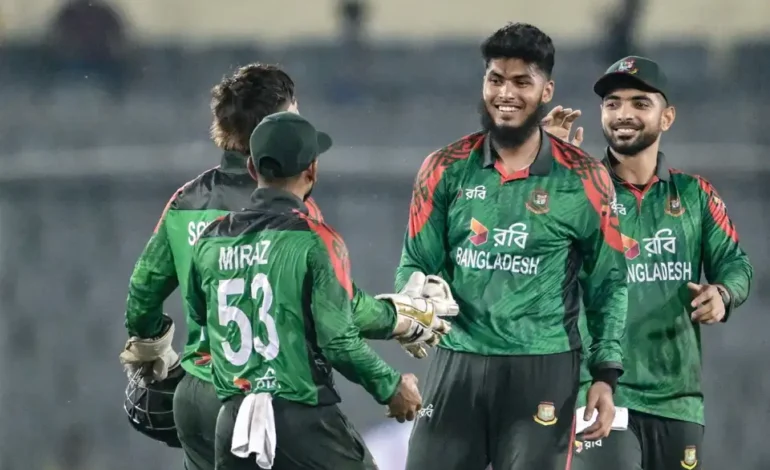
Bangladesh is one of the most passionate cricket markets in the world. Matches involving Bangladesh typically draw large television audiences, especially in South Asia, the Middle East, and the global Bangladeshi diaspora.
Competitive Balance
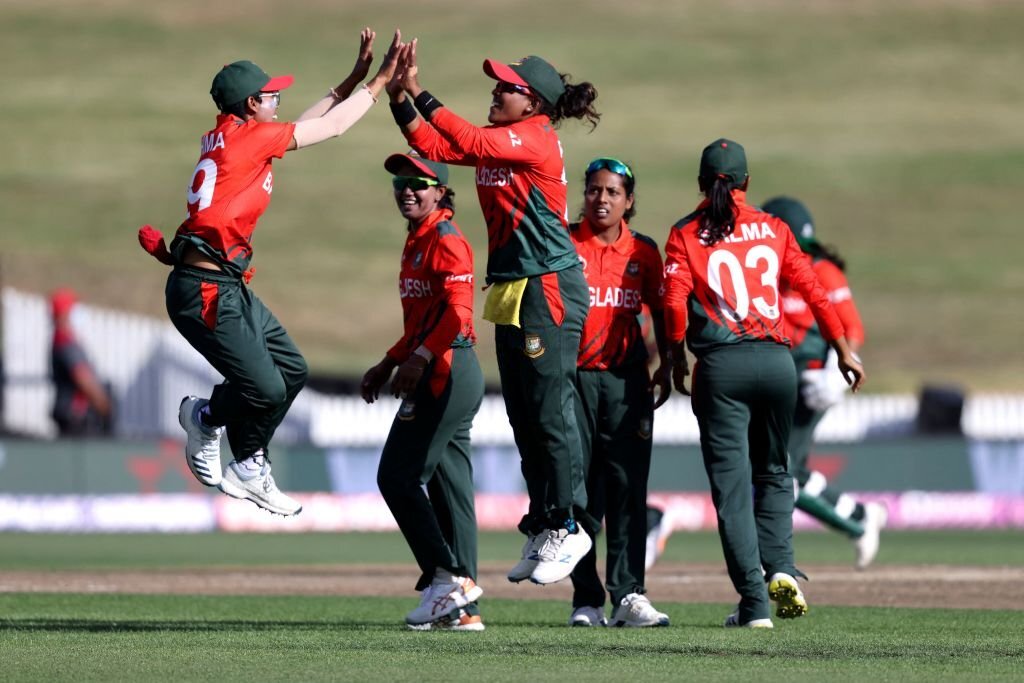
Bangladesh’s national team has developed into a strong T20 side, capable of challenging top nations. Its absence would alter group dynamics and could affect the competitive integrity of tournament fixtures.
Commercial Impact
Sponsors, broadcasters, and advertisers rely on marquee teams like Bangladesh to attract viewers and maintain advertising revenue. Without Bangladesh, some commercial stakeholders may reassess value projections, particularly in regions where Bangladesh cricket is a major draw.
The ICC’s Dilemma: Balancing Sport and Politics
The ICC has long maintained that sport should remain insulated from political conflict. However, history shows that cricket and geopolitics often intersect, particularly in South Asia. Past instances include:
- Series cancellations due to diplomatic tensions
- Matches played at neutral venues for security reasons
- Long breaks in bilateral cricket between specific nations
The emerging situation with Bangladesh tests the ICC’s ability to uphold its sporting principles while accommodating the political realities of member nations.
In this context, the ICC’s willingness to consider Scotland as a replacement suggests a pragmatic approach, one that prioritises the continuity of the global event but may also set a complex precedent.
Scotland as Next in Line: Qualification and Opportunity
Scotland’s potential inclusion likely stems from its standing in ICC rankings and recent regional performance, making it a logical candidate to fill a vacated spot. The team’s development trajectory reflects broader trends in international cricket: emerging associate nations are increasingly well equipped to compete at top levels.
For Scotland, this opportunity would be historic. Participating in a full ICC World Cup, particularly one hosted across diverse and emerging markets, could elevate the profile of Scottish cricket and inspire investment in the sport domestically.
Potential Benefits for Scotland:
- Increased global exposure and branding
- Enhanced investment and sponsorship interest
- Opportunity for players to gain experience against elite teams
- Boost to grassroots and youth cricket development
Even as a late entrant, Scotland would contribute to the competitive narrative of the 2026 tournament.
Fan and Analyst Reactions
Global fan reaction has been mixed, reflecting the complexity of the situation:
Support for Bangladesh Participation
Many fans argue that sport should transcend politics. Cricket enthusiasts in South Asia and beyond have voiced hope that diplomatic tensions won’t derail Bangladesh’s involvement.
Recognition of Scotland’s Readiness
Cricket commentators supportive of associate nations view Scotland’s potential inclusion as a positive step for broader globalisation of the sport, arguing that expanded representation enriches international competitions.
Concern Over Precedent
Some analysts caution that replacing a qualified team due to political uncertainty may create a precedent that could encourage similar situations in future tournaments, complicating tournament governance.
Broader Implications for International Cricket
The situation raises important questions about how the sport manages geopolitical pressures:
Stability of Future Tournaments
If national teams can be replaced due to political concerns, future World Cups could face similar uncertainties, particularly in regions prone to diplomatic disputes.
Globalisation vs. Traditional Structure
The ICC has prioritised expansion of cricket into new markets, as part of the sport’s growth strategy. Associate nations like Scotland have gained opportunities through qualifiers, suggesting a more inclusive global structure. However, replacing a full member like Bangladesh with an associate nation due to off-field issues underscores the tension between performance-based qualification and participation influenced by external factors.
Role of Diplomacy and Sport
The evolving situation reinforces the notion that international sport, particularly cricket in South Asia, cannot be fully isolated from diplomatic contexts. Whether through cricket diplomacy, neutral venues, or negotiated agreements, political engagement will likely remain a factor in how global cricket functions.
What Happens Next
Several key developments will shape the outcome:
1. Government and BCB Position: Whether Bangladesh’s government and the BCB provide clear commitments regarding participation.
2. ICC Consultations: Ongoing dialogue between the ICC and member boards to explore contingency planning and communication frameworks.
3. Scotland’s Preparedness: Logistics and preparation needed if Scotland is confirmed as a replacement team.
4. Public and Commercial Expectations: How fans, broadcasters, and sponsors adjust to evolving scenarios.
Each of these factors will influence both the structure of the 2026 T20 World Cup and the broader landscape of international cricket.
Cricket at the Crossroads
The possibility of Scotland replacing Bangladesh at the 2026 ICC T20 World Cup highlights an unprecedented intersection of sport, geopolitics, and global governance. As cricket becomes increasingly global and commercially significant, how the ICC and its member boards manage diplomatic tensions will be critical to preserving both the integrity of competition and the spirit of inclusivity.
For Bangladesh, known for passionate cricket culture and growing competitiveness, the debate is about more than tournament participation. It reflects how national identity and political context shape the very opportunities athletes and fans expect on the world stage.
For Scotland and associate nations, this moment represents opportunity and growth, a chance to be part of cricket’s global showcase in a way that could transform sporting identities at home.
As the world watches, the 2026 World Cup is shaping up to be not just a cricket tournament, but a test of how the sport navigates the complex world beyond the boundary ropes.