



Chattogram’s Sazzalelas to Become Bangladesh’s Maiden Civil Defence Museum

Chattogram’s Sazzalelas to Become Bangladesh’s Maiden Civil Defence Museum
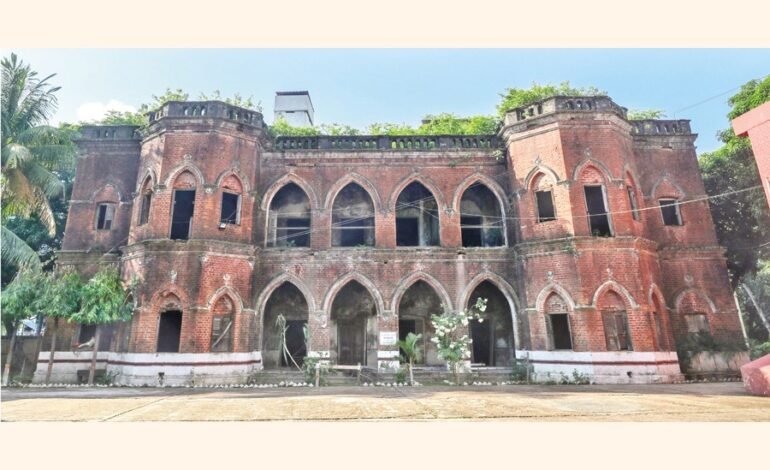
In the bustling port city of Chattogram, a remarkable cultural transformation is underway. The iconic Sazzalelas Dance Hall, once a vibrant hub of entertainment and social life, is being repurposed into Bangladesh’s first Civil Defence Museum. This historic initiative preserves memories of civil resilience, disaster preparedness and public safety while honoring the nation’s evolving identity. This project reflects Bangladesh’s broader commitment to both heritage conservation and strengthening public understanding of civil defence in the face of increasing natural and man-made risks.
A Landmark with a New Mission
For decades, Sazzalelas Dance Hall stood as a social landmark in Chattogram, hosting countless celebrations, concerts and community events. Generations of residents have fond memories of music, dance and laughter inside its walls. Yet as urban landscapes change, the need to preserve public memory and repurpose historic sites has gained new urgency.
Transforming Sazzalelas into the National Civil Defence Museum represents a forward-looking vision, where heritage, education, and community resilience converge. This unprecedented decision positions Bangladesh as a pioneer in institutionalizing civil defence awareness through an interactive and permanent public institution.
Why a Civil Defence Museum Matters
Bangladesh is one of the most disaster-prone countries in the world. Its geographical location subjects it to recurring cyclones, flooding, earthquakes and other hazards. Over the decades, the nation has developed extensive experience in managing disasters, from community-level preparedness to national response coordination.
Yet, while Bangladesh has advanced significantly in disaster risk management, civil defence remains a concept that many citizens especially younger generations understand only theoretically. A museum dedicated to civil defence will bridge that gap, offering a collective memory space for:
-
Disaster history and lessons learned
-
Evolution of national response systems
-
Role of volunteers and agencies in crisis
-
Interactive exhibits on preparedness
-
Public training and awareness programs
By institutionalising this history, the museum aims to educate, inspire and mobilize future generations toward proactive safety culture.
Inclusive Civic Engagement at the Forefront
The Civil Defence Museum will not merely be an archive of past disasters or emergency responses; it will be a living public space designed to engage visitors actively. Planners have indicated that the museum will include:
-
Multimedia exhibits detailing major disasters such as the 1970 cyclone, 1991 super cyclone, and more recent extreme weather events.
-
Hands-on learning zones, where families, students and professionals can experience simulated preparedness training.
-
Oral histories and testimonies from survivors, responders, and community leaders.
-
Interactive digital displays illustrating civil defence structures and emergency protocols.
-
Workshops and seminars on first aid, risk mitigation, and community resilience.
These components make it more than a static historical display, it will serve as a community education hub that strengthens national capacity for civil preparedness.
From Entertainment to Education: The Story of Sazzalelas
The selection of Sazzalelas is symbolic and strategic. Originally erected as a cultural venue, its architectural familiarity makes the site instantly relatable for Chattogram residents. Over the years, the hall bore witness to countless personal stories — weddings, concerts, school reunions and community gatherings. Its conversion into the Civil Defence Museum carries cultural continuity while redefining public purpose.
Local historians highlight the deeper cultural resonance of repurposing an entertainment venue into a civic institution: it reflects how societal priorities evolve — from social leisure to inclusive education — without discarding the emotional connection to place. In urban planning terms, this kind of adaptive reuse preserves physical heritage while delivering contemporary relevance.
Building Public Safety Awareness in Bangladesh
Civil defence encompasses a broad range of preparedness and response disciplines, including:
-
Disaster risk reduction (DRR)
-
Emergency response infrastructure
-
Public safety education
-
Volunteer training and community networking
-
Early warning systems and communications
A dedicated museum enables these themes to reach audiences beyond traditional classrooms and institutional training centers. Students, families, tourists and researchers alike can gain valuable insights into how civil defence functions as both a governmental mandate and a community responsibility.
In a country where natural hazards impose significant social and economic costs each year, promoting civil defence literacy is essential for long-term resilience.
Local Government and Institutional Support
The project has received backing from local authorities, national planners, and international partners keen to support disaster preparedness education. Chattogram City Corporation and the Ministry of Disaster Management and Relief have both played roles in facilitating the project’s development, recognizing its strategic value for public safety and cultural preservation.
Notably, the Civil Defence Museum is expected to operate in partnership with:
-
Department of Disaster Management
-
Local NGOs and community networks
-
Academic institutions
-
International civil defence and risk organizations
These collaborations enhance the museum’s credibility and ensure that exhibit content and programs align with global best practices in risk education and community empowerment.
Preserving National Memory Through Stories
One of the most compelling aspects of the Civil Defence Museum will be its storytelling focus. Archives will document firsthand accounts from people who lived through major disasters, including survivors, volunteers, medical responders, military personnel, and community leaders.
By preserving these authentic narratives, the museum ensures that future generations understand not just the technical dimensions of civil defence but also the human experiences behind them. Such memory features foster empathy, solidarity and collective learning values essential to resilient societies.
Engaging Youth and Future Generations
Bangladesh’s population is young and rapidly urbanizing. Engaging this demographic with meaningful education about civil defence is critical to long-term national resilience. The museum plans to align its programs with school curricula and summer camp activities, making it a destination for:
-
Field trips and student workshops
-
Youth leadership programs in disaster preparedness
-
Internships for safety and risk management careers
-
Interactive exhibits designed for young learners
In doing so, the museum will help integrate civil defence awareness into the social and cognitive fabric of future citizens.
Tourism, Cultural Identity and Urban Renewal
In addition to its educational role, the Civil Defence Museum is poised to become a prominent cultural attraction in Chattogram. Positioned near major transportation corridors and urban centers, the museum will attract:
-
Domestic visitors and school groups
-
International tourists interested in disaster history
-
Researchers and academics studying resilience
-
Civic groups and professional organizations
As part of Chattogram’s urban renewal strategy, the museum complements other heritage and cultural sites, contributing to a diverse visitor experience. It situates Bangladesh’s disaster history within a global context where coastal nations grapple with climate change, flooding, cyclones and early warning systems.
Learning From Disasters: A National Priority
Bangladesh’s experience with disasters has made it a global leader in community-based risk reduction. Early warning systems, cyclone shelters, and coordinated response protocols have saved countless lives in recent decades. However, public education and awareness remain central to continued success.
The Civil Defence Museum will act as an institutional memory bank, ensuring lessons from each disaster are documented and shared widely. Through exhibits, public programs and digital outreach, the museum will help foster a more informed and prepared society.
Challenges and the Road Ahead
Though the museum project enjoys broad support, several challenges remain:
-
Funding and long-term sustainability
-
Curating accurate and compelling exhibits
-
Integrating technology for interactive learning
-
Maintaining operational outreach beyond Chattogram
To address these, planners are seeking partnerships with international disaster-education organizations, technology providers and educational foundations. These collaborations aim to bring global expertise into the museum’s development process.
A Landmark for Learning and Resilience
The transformation of Sazzalelas Dance Hall into Bangladesh’s first Civil Defence Museum is a powerful statement about the country’s commitment to learning from its history and equipping citizens for the future. By repurposing cultural space into a public institution for education, Bangladesh is setting an example in integrating heritage, disaster awareness, and community engagement.
As the museum opens its doors and begins welcoming visitors, it will serve not only as a repository of the nation’s civil defence history but also as a dynamic hub for learning, innovation and collective care. In an age of climate uncertainty and complex risks, institutions like this are not luxuries — they are essential pillars of resilient, informed and prepared societies.