

The Reality of Bangladeshi Workers in the Middle East Amid War Crisis

The Reality of Bangladeshi Workers in the Middle East in 2026: Growth, Struggles, and War-Time Uncertainty
In 2026, millions of Bangladeshi migrant workers continue to play a critical role in sustaining both their families and the national economy. Spread across Gulf countries, they form one of the largest expatriate labor forces in the world. From construction sites in Saudi Arabia to service sectors in United Arab Emirates and Qatar, Bangladeshi workers remain essential to the region’s economic machinery.
Yet, behind the billions of dollars they send home each year lies a more complex reality, which is marked by low wages, limited rights, and growing uncertainty due to escalating geopolitical tensions in the Middle East caused by USA-Israel and Iran war.
A Workforce Powering the Economy
Bangladesh is among the top labor-exporting countries globally. As of 2026, more than 4.5 million Bangladeshis are working in Middle Eastern countries, accounting for nearly 80% of the country’s total migrant workforce. These workers are the backbone of Bangladesh’s remittance economy, which has recently crossed $30 billion annually.
Remittances contribute significantly to:
- Foreign currency reserves
- Rural household incomes
- Poverty reduction
For many families in Bangladesh, having a member working abroad is not a choice but a necessity for survival and upward mobility.
Overdependence on the Gulf Region
The migration trend remains heavily concentrated in a few countries:
- Saudi Arabia (largest destination)
- United Arab Emirates
- Qatar
- Kuwait
- Oman
Saudi Arabia alone absorbs the majority of Bangladeshi workers each year. While this concentration has ensured steady employment flows, it has also created a structural vulnerability. Any economic slowdown or policy shift in these countries can directly impact millions of workers and their families back home.
The Nature of Work and Wage Reality
Most Bangladeshi migrant workers are employed in low-skilled or semi-skilled sectors, such as construction, cleaning, transport, and hospitality. These jobs are physically demanding and often come with minimal job security.
Average monthly wages typically range between Tk 30,000 and Tk 40,000, depending on the country and sector. While this may seem higher than local earnings in Bangladesh, the reality is more complicated.
Many workers incur migration costs of Tk 5–7 lakh before departure. As a result, they spend the first one to two years repaying debts, leaving little room for savings. Delayed payments, contract violations, and lack of overtime compensation further worsen their financial situation.
The War Crisis and Its Impact
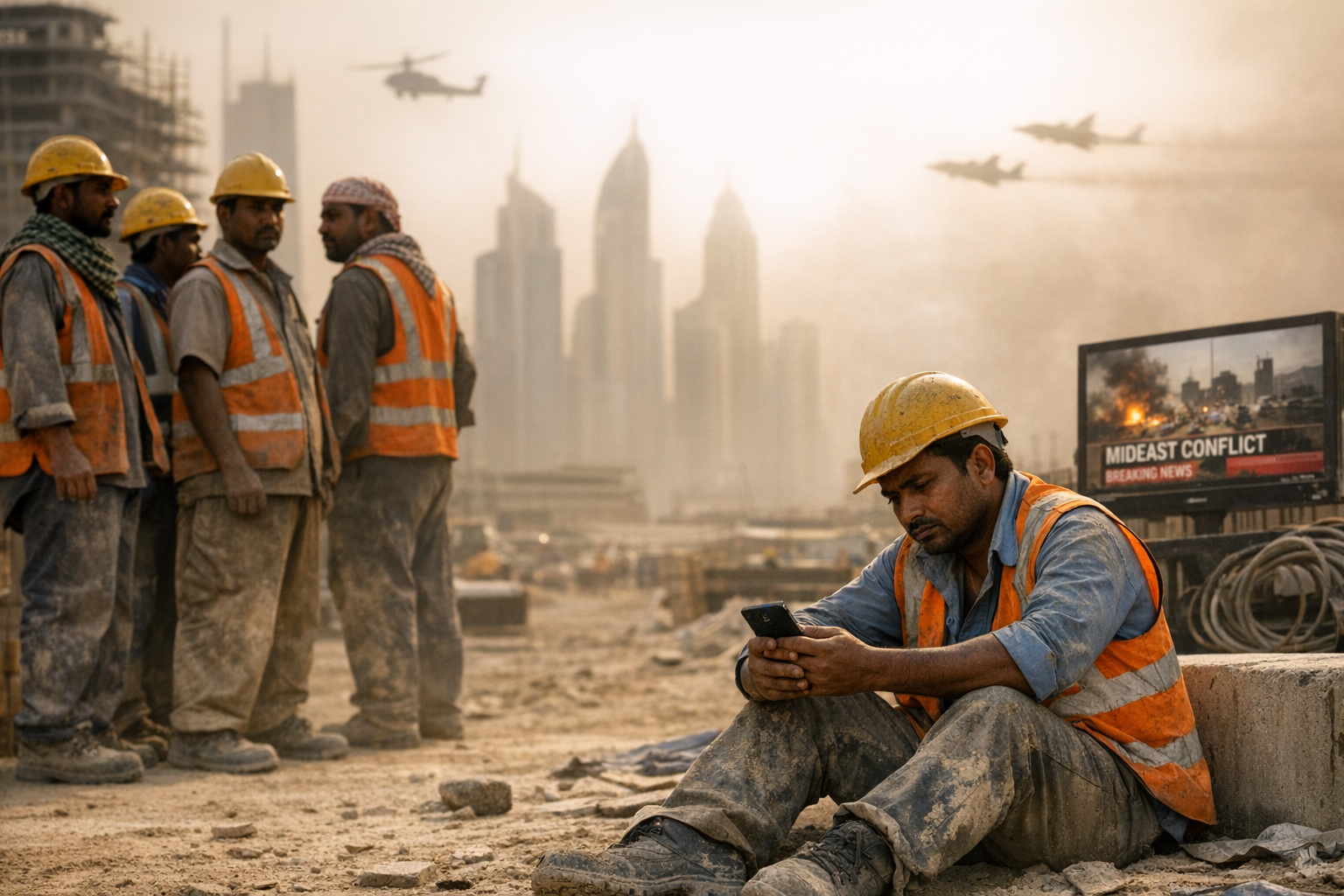
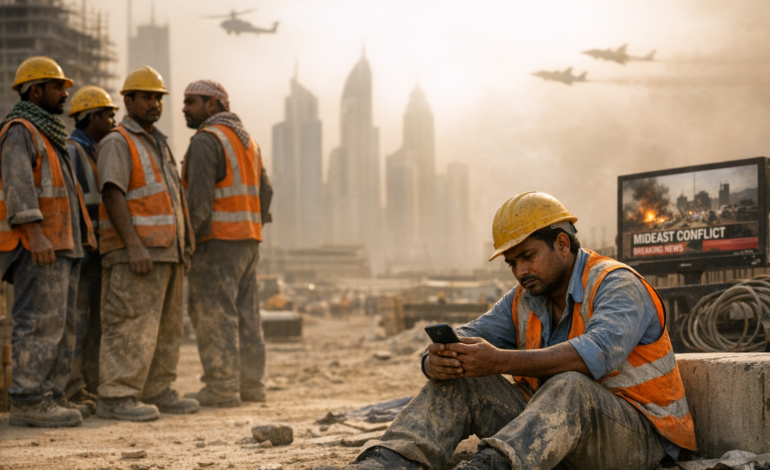
In 2026, rising geopolitical tensions in the Middle East have introduced a new level of uncertainty. Conflicts involving Israel and Iran, along with broader regional instability, are beginning to affect labor markets across the Gulf.
Key Impacts:
1. Job Instability
Large-scale construction and infrastructure projects are slowing down in some regions. Companies are becoming cautious, reducing hiring and, in some cases, laying off workers.
2. Decline in New Migration
Recruitment from Bangladesh is expected to decline if tensions persist. A potential 20–30% drop in labor migration could occur under prolonged instability.
3. Pressure on Remittances
With fewer jobs and lower income levels, remittance flows may decline. Even a modest reduction could have a significant impact on Bangladesh’s economy, which heavily depends on foreign currency inflows.
4. Safety and Security Risks
Workers in sensitive areas face increased safety concerns. Although Gulf countries remain relatively stable, the broader regional tension creates uncertainty and anxiety among migrant communities.
Living Conditions: A Persistent Challenge
Beyond economic issues, Bangladeshi workers often face difficult living conditions. Many live in overcrowded labor camps with limited access to healthcare and basic facilities. Long working hours under extreme weather conditions especially in desert climates add to the hardship.
The war crisis has intensified these challenges by increasing stress levels and creating fear about job security and personal safety. Communication with families back home becomes more frequent, often driven by concern rather than reassurance.
The Remittance Paradox
Despite the hardships, remittances continue to rise, creating a paradox. On a macro level, Bangladesh benefits from billions of dollars flowing into the economy. On a micro level, however, individual workers struggle to improve their living standards.
This imbalance highlights a critical issue: while migrant workers are central to economic growth, their personal welfare often remains overlooked.
Gender Imbalance and Limited Opportunities
Female participation in overseas employment remains low, accounting for only about 5–6% of total migration. Most female workers are employed in domestic roles, which carry higher risks of exploitation and abuse.
The lack of gender diversity reflects structural limitations in Bangladesh’s migration system, including insufficient training, safety concerns, and restricted job opportunities for women.
Why Migration Continues
Despite the challenges and growing risks, migration remains a popular choice. The reasons are clear:
- Limited job opportunities in Bangladesh
- Higher earning potential abroad
- Social expectations and family pressure
- Established migration networks
For many, working in the Middle East is still seen as the fastest way to achieve financial stability, even if it comes with significant sacrifices.
The Way Forward
To improve the situation, Bangladesh must adopt a more strategic approach to labor migration.
Skill Development:
Investing in technical training can help workers access higher-paying, more secure jobs.
Market Diversification:
Expanding into regions like Europe and East Asia can reduce dependence on the Middle East.
Stronger Worker Protection:
Improved legal support and monitoring of recruitment agencies are essential.
Crisis Preparedness:
With geopolitical risks rising, the government must develop contingency plans, including evacuation strategies and financial support for returning workers.
Looking Ahead
The reality of Bangladeshi workers in the Middle East in 2026 is defined by both opportunity and vulnerability. They remain a vital pillar of the national economy, contributing billions in remittances each year. Yet, their lives are marked by low wages, tough working conditions, and now, the added uncertainty of a regional war crisis.
As geopolitical tensions continue to evolve, the stakes are higher than ever. Protecting migrant workers is no longer just a social responsibility but a economic necessity.
Their sacrifices sustain the nation. Ensuring their safety, dignity, and future should be a national priority.