



Mirza Fakhrul Islam Alamgir: Veteran Politician and Key Leader of BNP

Mirza Fakhrul Islam Alamgir: Veteran Politician and Key Leader of BNP
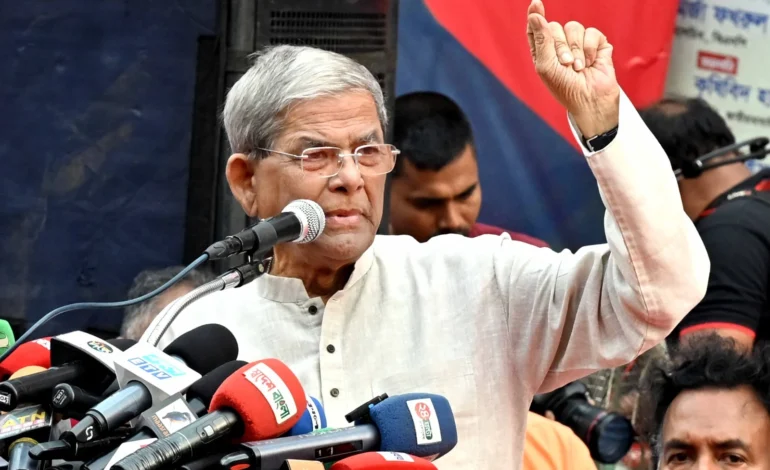
Mirza Fakhrul Islam Alamgir is one of the most prominent unbound political figures in Bangladesh and a central leader of the Bangladesh Nationalist Party (BNP), currently serving as the Minister of Local Government, Rural Development, and Co-operatives. Over decades, he has played a major role in national politics as a parliamentarian, former state minister, and currently the secretary general of the BNP.
He assumed office as the Local Government Minister on February 17, following the BNP’s landslide victory in the 13th National Parliamentary Election.
Parliamentary Member: He was elected as the Member of Parliament for the Thakurgaon-1 constituency, securing 238,836 votes in the February 2026 election.
Known for his long political career and involvement in Bangladesh’s democratic movements, Mirza Fakhrul has remained an influential voice in opposition politics. His journey from student activism and academia to national leadership reflects the broader evolution of politics in Bangladesh.
Early Life and Background
Mirza Fakhrul Islam Alamgir was born in Thakurgaon, a northern district of Bangladesh that later became closely associated with his political career. He comes from a politically active family; his father, Mirza Ruhul Amin, was a lawyer and politician who served as a member of parliament.
Growing up in a politically aware environment, Fakhrul developed an early interest in public affairs and social issues. His upbringing in Thakurgaon shaped his connection to grassroots politics, which later played an important role in his electoral campaigns and leadership within the BNP.
Education and Student Politics
Mirza Fakhrul pursued higher education at the University of Dhaka, where he studied economics. During his university years in the 1960s, he became actively involved in student politics and joined the East Pakistan Students Union.
His leadership abilities became evident early on as he held several positions within the student organization, eventually becoming president of the Dhaka University unit during the political unrest of the late 1960s.
These formative years shaped his political ideology and commitment to democracy and social change. Student activism during that period was a significant stepping stone for many leaders in Bangladesh, and Fakhrul’s involvement laid the groundwork for his later career.
Role in the Liberation War and Early Career
During the Liberation War of 1971, Mirza Fakhrul supported Bangladesh’s independence movement and contributed as an organizer. The experience strongly influenced his political beliefs and dedication to democratic values.
After independence, he initially stepped away from active politics and focused on an academic career. In 1972, he joined Dhaka College as a lecturer in economics under the government’s education cadre.
He later served in various government roles, including working in the Directorate of Inspection and Audit and as a personal secretary to the deputy prime minister during the presidency of Ziaur Rahman.
Despite these administrative roles, his interest in politics remained strong.
Entry into Politics and Rise in BNP
Mirza Fakhrul formally entered politics in the mid-1980s when he resigned from his government job in 1986 to run for chairman of Thakurgaon municipality. He won the election in 1988 as a neutral candidate, marking the beginning of his active political career.
In the early 1990s, he joined the Bangladesh Nationalist Party at a time when the country was experiencing major political change. By 1992, he was appointed president of the BNP’s Thakurgaon district unit.
Over the years, Fakhrul gradually rose through the ranks of the party, becoming one of its key leaders.
Parliamentary Career and Ministerial Role
Mirza Fakhrul contested several parliamentary elections before achieving a significant victory in the 2001 general election from the Thakurgaon-1 constituency as a BNP candidate.
Following this win, he joined the government led by former prime minister Khaleda Zia and served as a state minister in the Ministry of Agriculture. Later, he also served as state minister for Civil Aviation and Tourism.
These roles gave him experience in governance and policymaking, further strengthening his political profile at the national level.
Becoming Secretary General of BNP
Mirza Fakhrul Islam Alamgir’s influence within the BNP continued to grow. In 2009, he was appointed senior joint secretary general of the party. Later, after the death of BNP’s secretary general Khandaker Delwar Hossain in 2011, he became acting secretary general.
In 2016, he was officially named the secretary general of the BNP, making him one of the most important figures in the party’s leadership structure.
As secretary general, Fakhrul has played a key role in organizing the party, representing it in political discussions, and shaping its strategy during major national events.
Political Philosophy and Leadership
Mirza Fakhrul is known for advocating democratic governance and political reforms in Bangladesh. Over the years, he has repeatedly emphasized the importance of restoring democratic processes and strengthening institutions.
His leadership style is often described as moderate and focused on dialogue, particularly during periods of political tension in the country.
He has also been a vocal figure during significant political developments, including calls for fair elections and political reforms in Bangladesh.
Personal Life
Mirza Fakhrul Islam Alamgir is married to Rahat Ara Begum, and the couple has two daughters. His family has maintained connections to education and professional fields, reflecting a background that combines public service and academic tradition.
Despite his busy political life, he has often spoken about the support he receives from his family and how it has helped him navigate the challenges of politics.
Challenges and Political Struggles
Throughout his career, Mirza Fakhrul has faced numerous political challenges, including arrests and political pressures. According to reports, he has been imprisoned multiple times over the years during political movements and protests.
These experiences have shaped his political narrative and strengthened his image among supporters as a leader committed to political activism and democratic principles.
Legacy and Influence in Bangladesh Politics
Today, Mirza Fakhrul Islam Alamgir remains one of the most recognizable faces of the BNP and a central figure in Bangladesh’s opposition politics. His long career—from student activism and teaching to ministerial roles and party leadership—illustrates his enduring influence in the country’s political landscape.
As Bangladesh continues to navigate complex political changes and democratic debates, leaders like Fakhrul play an important role in shaping national discourse and political competition.
In a Nutshell
Mirza Fakhrul Islam Alamgir’s political journey reflects decades of involvement in Bangladesh’s democratic process. From his early days as a student leader and teacher to becoming secretary general of the BNP, he has remained a prominent voice in the country’s politics.
With a career spanning activism, governance, and party leadership, Fakhrul’s story provides insight into the evolution of Bangladesh’s political landscape and the challenges of leadership in a rapidly changing nation.


