


Malaysia to Reopen Job Market for Bangladesh: A New Era for Labour Migration

Malaysia to Reopen Job Market for Bangladeshis: A New Era for Labour Migration
In a major development for Bangladesh’s overseas employment sector, Malaysia is set to reopen its labour market for Bangladeshi workers after nearly two years of suspension. It signals renewed cooperation between the two countries and offers fresh hope for thousands of aspiring migrant workers.
This move is being seen as a turning point in Bangladesh–Malaysia labour relations, especially at a time when global job markets are becoming increasingly competitive and uncertain.
Why Was Malaysia’s Labour Market Closed?
Malaysia has historically been one of the most important destinations for Bangladeshi migrant workers. However, the labour market has faced multiple shutdowns over the years.
The most recent closure occurred in March 2024, when Malaysia halted recruitment due to:
- Allegations of corruption and irregularities
- The influence of recruitment syndicates
- Concerns over worker exploitation
This was not the first time. Malaysia had previously closed its labour market for Bangladeshis as it happened earlier in 2009, 2018 and again in 2024.
Each closure highlighted structural problems in the migration process, particularly the role of intermediaries and high migration costs.
The 2026 Breakthrough: What Has Changed?
In April 2026, Bangladesh and Malaysia reached a significant understanding to reopen the job market. Prime Minister’s Office spokesperson and adviser on overseas employment Mahdi Amin on Sunday said that Malaysia was set to reopen its labour market for Bangladesh soon.
According to officials:
- Both countries are working to resume recruitment soon
- The process will be more transparent and cost-effective
- A new system will reduce dependency on middlemen
The breakthrough came after high-level meetings between Bangladeshi officials and Malaysian Prime Minister Anwar Ibrahim.
Malaysia has also directed its authorities to accelerate the reopening process, indicating strong political commitment from both sides.
Introduction of AI-Based Recruitment System
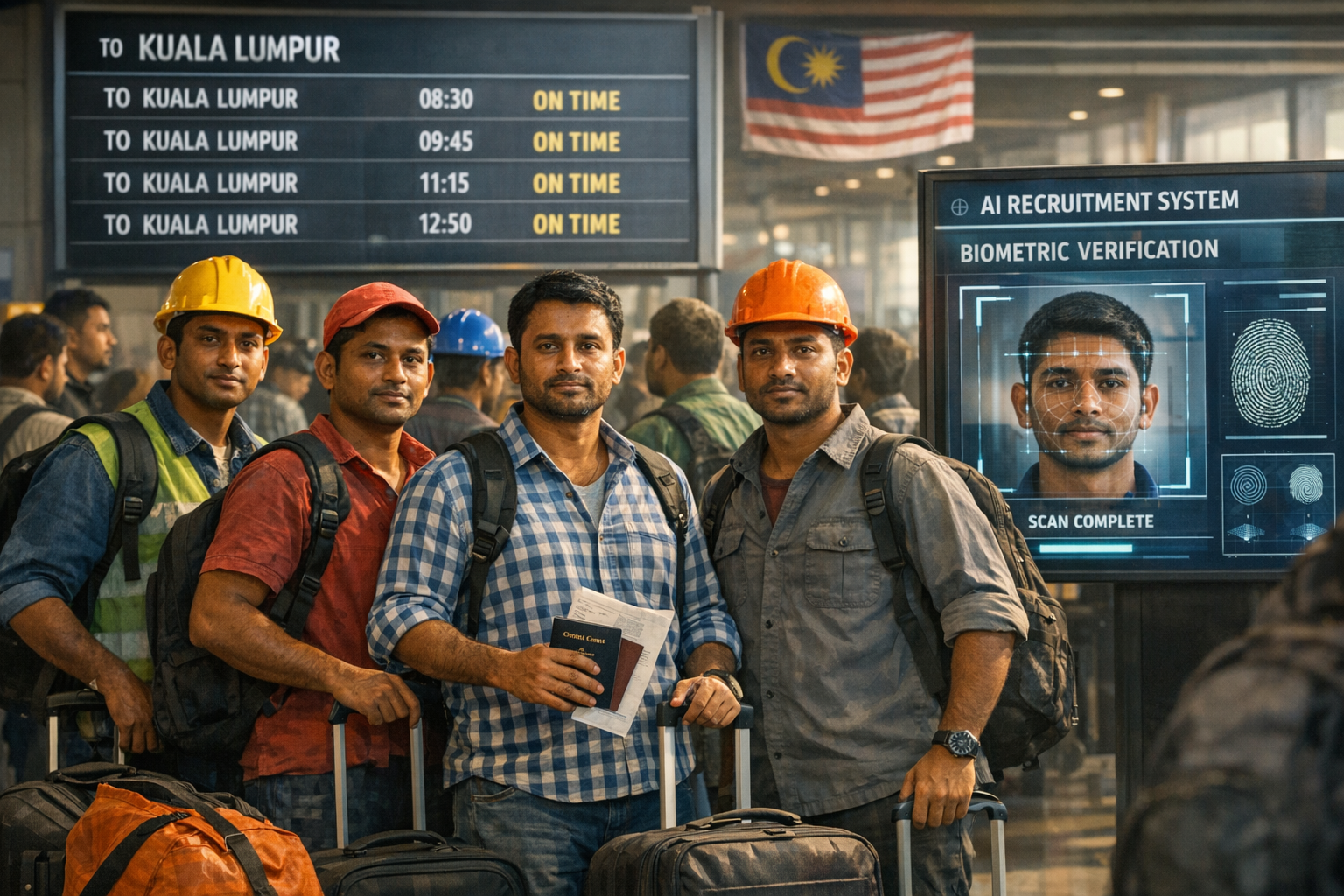
One of the most significant developments is Malaysia’s plan to introduce an AI-based recruitment platform.
This system aims to:
- Digitize the hiring process
- Reduce corruption and human interference
- Ensure fair and transparent recruitment
Officials say the platform will not only benefit Bangladeshi workers but could become a global model for labour migration.
If implemented successfully, this could eliminate many of the long-standing issues in Bangladesh’s overseas employment sector.
Lower Migration Costs: A Game Changer
One of the biggest concerns for migrant workers has always been the high cost of migration.
Currently, many workers pay:
- Tk 4–5 lakh (or more) to secure overseas jobs
- Fees to brokers and agencies
The new agreement focuses heavily on:
- Reducing migration costs
- Ensuring transparency in recruitment
- Minimizing the role of syndicates
Both governments have emphasized creating a system where workers can migrate at lower or near-zero cost, aligning with international labour standards.
This could significantly improve the financial condition of workers, who often start their journey already burdened with debt.
Malaysia’s Importance for Bangladesh
Malaysia remains one of the top destinations for Bangladeshi workers.
Key Statistics:
- Around 8–9 lakh Bangladeshis currently work in Malaysia
- It is the fourth-largest source of remittances for Bangladesh
- Over 13 lakh workers migrated to Malaysia between 2004 and 2024
- More than 3.5 lakh workers went in 2023 alone
These numbers highlight Malaysia’s critical role in Bangladesh’s migration economy.
Opportunities for Bangladeshi Workers
The reopening of Malaysia’s labour market could create thousands of new job opportunities.
Key Sectors:
- Construction
- Manufacturing
- Plantation and agriculture
- Services and maintenance
Additionally, discussions have expanded beyond labour migration to include:
- Education cooperation
- Student and teacher exchange programs
- Skills development initiatives
This indicates a broader partnership between the two countries, not limited to labour alone.
Challenges That Still Remain
Despite the positive development, several challenges need to be addressed.
1. Syndicate Control
Past migration systems were heavily influenced by powerful recruitment syndicates. Breaking their control remains a key priority.
2. Worker Exploitation
Ensuring fair wages, proper contracts, and safe working conditions is still a concern.
3. Policy Implementation
While agreements have been made, effective implementation will determine success.
4. Irregular Workers
There are ongoing discussions about addressing the situation of undocumented Bangladeshi workers currently in Malaysia.
Impact on Bangladesh’s Economy
The reopening of Malaysia’s labour market could have significant economic implications.
Positive Effects:
- Increased remittance inflow
- Reduced unemployment
- Strengthened foreign currency reserves
With global uncertainties affecting Middle Eastern job markets, Malaysia offers an alternative destination, helping Bangladesh diversify its migration portfolio.
A Shift Towards Ethical Migration
The 2026 agreement reflects a shift toward ethical and sustainable migration practices.
Key focus areas include:
- Transparency
- Cost reduction
- Worker protection
- Digital recruitment systems
This aligns with international standards and could improve Bangladesh’s global reputation as a labour-exporting country.
What This Means for Aspiring Migrants
For thousands of Bangladeshis waiting for overseas opportunities, this announcement brings renewed hope.
However, experts advise caution:
- Avoid illegal brokers
- Follow official recruitment channels
- Stay updated with government announcements
With a new system in place, workers may finally have access to fairer and safer migration pathways.
Academic collaboration with Malaysia
According to the adviser on overseas employment, talks have been held with Malaysia’s higher education minister to strengthen coordination between the two countries in the education sector. These discussions focused on aligning academic degrees and certifications, as well as expanding mutual cooperation.
Malaysia’s prime minister has also expressed strong interest in opening new avenues, particularly through teacher and student exchange programmes. The overarching goal is to create a platform for multifaceted collaboration, including joint research initiatives and academic partnerships.
Such efforts could enable teachers and students from both nations to work closely at both institutional and individual levels, fostering long-term educational and intellectual exchange.
Looking Ahead
The decision to reopen Malaysia’s job market for Bangladeshi workers in 2026 marks a significant milestone. After years of closures, controversies, and uncertainty, both countries are moving toward a more transparent and efficient migration system.
While challenges remain, the introduction of AI-based recruitment and cost-reduction measures offers a promising future. If implemented effectively, this could transform not only Bangladesh–Malaysia labour relations but also set a new global standard for ethical migration.
For Bangladesh, the stakes are high. Migration is not just about employment—it is about economic stability, social mobility, and national growth.
And in 2026, Malaysia may once again become a key pillar in that journey.