
Ramadan Nostalgia: The Legacy of Allama Nurul Islam Faruqi Through Kafela

Ramadan Nostalgia: The Legacy of Allama Nurul Islam Faruqi Through Kafela
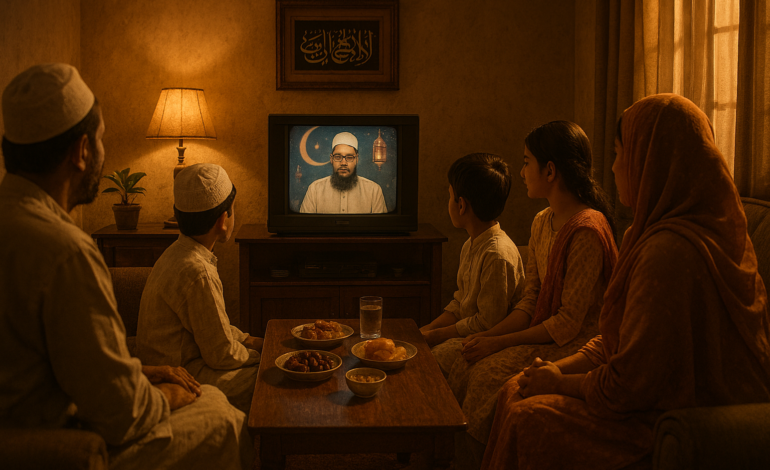
During the holy month of Ramadan, television programming in Bangladesh used to carry a special emotional connection for viewers. Families would gather around the TV before iftar or suhoor, watching religious discussions, Quran recitations, and Islamic guidance. Among those programs, one show became particularly memorable: Kafela, hosted by Allama Nurul Islam Faruqi.
For many Bangladeshis, Kafela is not just a TV program, it represents a time when Ramadan evenings were closely tied to television, learning, and reflection. Even years later, viewers often recall the show with nostalgia, highlighting its cultural and religious significance.
Ramadan Television in Bangladesh: A Different Era
Before the dominance of social media platforms and online streaming, television was the primary source of information and entertainment in Bangladesh. Ramadan programming was particularly important, as broadcasters scheduled special religious shows to match the spiritual atmosphere of the month.
Islamic talk shows, discussions on daily religious practices, and spiritual guidance programs became essential viewing for many families. These programs were often aired at key times just before iftar and after Taraweeh prayers, or late at night during Ramadan.
It was in this context that Kafela gained popularity. The show stood out because it combined Islamic teachings with a conversational style in the Arab and other regions of Middle east by the presentation of Nurul Islam Faruqi that made religious discussions accessible to a wide audience.
The Rise of Kafela During Ramadan
Kafela emerged as one of the notable Ramadan religious programs on Bangladeshi television at a time when vlogging wasn’t really popular in media landscape. Hosted by Allama Nurul Islam Faruqi, the show focused on explaining Islamic principles, stories of prophet, answering questions about daily life, and offering guidance on how Muslims could observe Ramadan more meaningfully.
One of the reasons the program resonated with viewers was its format. Instead of a purely lecture-based approach, Kafela presented discussions through visit in the tomb and graves of the prophets and sahabis of prophet Muhammad (PBUH) that felt engaging and relatable. The host’s delivery, along with the structured segments of the program, helped audiences better understand complex religious topics.
For many households, watching Kafela became part of their Ramadan routine. It was common for families to tune in together, turning the show into a shared experience that blended learning with reflection.
Why Kafela Became a Nostalgic Ramadan Memory
Over time, Kafela became associated with a specific period in Bangladesh’s television history. Viewers who grew up watching the show during Ramadan often remember it as a defining part of their childhood or youth.
Several factors contributed to this sense of nostalgia:
1. Family Viewing Tradition
During the 1990s and 2000s, watching television as a family was common in Bangladesh. Ramadan programming, including Kafela, created a shared environment where families could learn about religion together.
2. Limited Media Choices
At the time, there were fewer television channels and almost no online alternatives. This meant that popular Ramadan shows naturally gained large audiences and became widely recognized.
3. Spiritual Atmosphere of Ramadan
The program aired during a time when viewers were already focused on spirituality and reflection. As a result, its messages were closely linked to the emotional and religious significance of the month.
4. Distinct Presentation Style
Kafela had a recognizable style, from its discussion format to the way topics were explained in a modern time vlogging style. This made it memorable compared with other programs of the era.
The Role of Allama Nurul Islam Faruqi in the Show’s Popularity
The success of Kafela was closely tied to the presence of Allama Nurul Islam Faruqi. As a religious scholar and television presenter, he brought both knowledge and communication skills to the program.
His approach often focused on:
- Explaining Islamic teachings in simple language
- Addressing practical questions from viewers
- Connecting religious guidance with everyday life
This approach helped the program reach a wide audience, including people who were not deeply familiar with scholarly religious discussions.
Many viewers appreciated the clarity with which topics were presented. Instead of complex academic explanations, the show emphasized accessible guidance that could be applied in daily life, especially during Ramadan.
Tragic death of Nurul Islam Faruqi
Allama Nurul Islam Faruqi’s life and career left a lasting mark on Bangladesh’s religious media landscape. Born in Bangladesh, he pursued Islamic education through traditional madrasa studies and later became known as a preacher and scholar associated with Sunni Islamic teachings.
Over the years, Faruqi worked as a religious speaker, teacher, and television presenter, gaining recognition through Islamic talk shows especially during Ramadan, where he explained religious practices and answered viewers’ questions in an accessible way. His television work, public sermons, and involvement with religious organizations helped him build a strong audience across the country.
However, his life ended tragically in August 2014 when he was killed at his residence in Dhaka, an incident that drew national attention and widespread discussion. Despite his death, many viewers still remember him for his role in shaping Ramadan television programming and for hosting Kafela, which remains a nostalgic part of Bangladeshi media history.
How Ramadan Media Has Changed Since Kafela
In recent years, the way people consume religious content has changed dramatically. Social media platforms, YouTube channels, and online contents have become the primary sources of Islamic content for many viewers.
This shift has reduced the dominance of television programs like Kafela, but it has also changed how audiences engage with Ramadan programming.
Key changes include:
- Digital platforms replacing traditional TV shows
- Short-form religious content gaining popularity
- Greater diversity of scholars and speakers online
- Younger audiences consuming content through smartphones
Despite these changes, nostalgia for classic Ramadan TV shows continues to grow. Many viewers believe that earlier programs created a stronger sense of community and shared experience.
The Emotional Connection Viewers Still Feel
Even today, conversations on social media during Ramadan often include references to old television programs, including Kafela. Many people share memories of watching the show with parents or relatives, highlighting the emotional impact it had.
This nostalgia is not only about the program itself but also about the time period it represents. For many viewers, it recalls:
- Childhood Ramadan memories
- Simpler media experiences
- Family gatherings around the television
- A sense of spiritual connection through shared viewing
Such memories demonstrate how media can become part of cultural identity and collective experience.
In a Nutshell
Ramadan television programming in Bangladesh has evolved significantly over the years, but the legacy of Kafela continues to stand out. The show remains a symbol of an era when television played a central role in shaping Ramadan traditions and religious discussions.
Through the hosting of Allama Nurul Islam Faruqi, Kafela became more than just a program, it became a part of Ramadan nostalgia for many viewers. Its influence reflects the power of media to create lasting memories and cultural connections.
As digital platforms reshape how people access religious content, the memory of programs like Kafela reminds audiences of a time when Ramadan evenings were defined by shared learning, reflection, and family gatherings in front of the television.