



Independence Award 2026 Honourees: The Literary Legacy of Ashraf Siddiqui
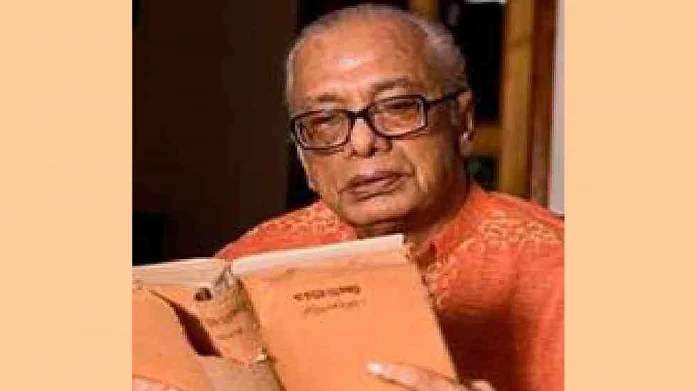

Independence Award 2026 Honourees: Preserving Bangladesh’s Folklore — The Literary Legacy of Ashraf Siddiqui
Ashraf Siddiqui, a pioneering scholar who dedicated his life to documenting and preserving the Bangladesh’s rich folk traditions has been nominated for the Independence Award 2026.
Awarded posthumously, the recognition honours Siddiqui’s lifelong commitment to Bangla literature, folklore research, and cultural preservation. Over decades, he played a vital role in bridging academic scholarship and the oral traditions of rural Bangladesh, ensuring that many elements of the country’s cultural heritage were recorded and studied.
For researchers, writers, and students of Bengali culture, Siddiqui remains one of the most influential figures in the study of folk literature in Bangladesh.
Early Life and Inspiration from Rural Traditions
Ashraf Siddiqui was born on 1 March 1927 in Nagbari village of Tangail district, in what was then British India. Growing up in a rural environment, he was surrounded by traditional storytelling, folk songs, rhymes, and local legends that were passed down orally through generations.
These experiences played a crucial role in shaping his intellectual interests. As a child, he often listened to folk tales and proverbs from family members and local storytellers. The rhythms of rural life, village theatre, and traditional performances influenced his understanding of Bengali cultural identity.
This early exposure later inspired Siddiqui to dedicate much of his academic career to studying and preserving Bangladesh’s folk heritage.
Academic Journey and Folklore Research
Siddiqui pursued higher education in Bengali literature at the University of Dhaka, where he completed his master’s degree. He later went to the United States to continue his studies and earned a PhD in folklore from Indiana University, one of the leading institutions for folklore studies.
His academic training helped him combine traditional cultural knowledge with modern research methods. This combination allowed Siddiqui to approach folklore not simply as entertainment but as an important part of a nation’s historical memory and cultural identity.
Throughout his career, he produced extensive research on folk literature, including collections of folk stories, proverbs, songs, and legends. These works helped preserve traditions that had previously existed mainly through oral storytelling.
One of his notable books, Folkloric Bangladesh, examined the history and cultural significance of folk literature in the country.
Through such research, Siddiqui helped establish folklore as an important academic field in Bangladesh.
Contributions to Bangla Literature
While Siddiqui is widely known for his work on folklore, he was also a prolific literary figure. Over his lifetime, he wrote more than 500 poems and dozens of books, including essays, short stories, novels, and children’s literature.
His literary works often reflected themes drawn from rural life, human relationships, and the cultural diversity of Bangladesh. By blending academic insight with creative storytelling, Siddiqui made complex cultural ideas accessible to a wider audience.
Some of his well-known books and research publications include:
- Lok Sahitya (Folk Literature)
- Lokayat Bangla
- Banglar Mukho
- Folkloric Bangladesh
- Bangladesher Rupkatha
These works contributed to building a deeper understanding of Bengali folklore and helped bring traditional narratives into modern literary discourse.
Role in Academia and Cultural Institutions
Beyond writing and research, Siddiqui also played a major role in academic and cultural institutions in Bangladesh. Over the course of his career, he taught at several prestigious institutions including Rajshahi College, Chittagong College, Dhaka College, Jagannath College, and the University of Dhaka.
His teaching influenced generations of students who later became writers, researchers, and academics.
Siddiqui also held several important leadership positions. He served as the Director General of the Bangla Academy from 1976 to 1982, where he contributed to the promotion of Bangla language, literature, and research.
During his tenure, the academy expanded its cultural programs and research activities, strengthening its role as a leading institution in Bangladesh’s literary world.
He also worked with various organizations connected to journalism, literature, and cultural development, further expanding his influence beyond academia.
Cultural Preservation and Rural Heritage
One of Siddiqui’s most significant contributions was his effort to preserve Bangladesh’s rural cultural traditions at a time when modernization threatened many oral practices.
Folk literature such as ballads, proverbs, and traditional songs has historically been transmitted orally within communities. As modernization and urbanization spread, many of these traditions risked disappearing.
Siddiqui recognized this challenge early and worked tirelessly to collect and document folk stories and traditions from across Bangladesh. His research helped record cultural expressions that might otherwise have been lost.
He also supported cultural festivals and initiatives aimed at celebrating rural traditions and strengthening the connection between urban intellectual life and village culture.
In doing so, Siddiqui helped demonstrate that folk traditions were not merely relics of the past but living expressions of national identity.
Influence on Modern Researchers
Today, Ashraf Siddiqui’s work continues to influence scholars studying Bangla folklore, literature, and cultural history.
Modern researchers frequently draw upon his books, essays, and field studies as foundational resources. His efforts helped establish systematic approaches to folklore research in Bangladesh, combining documentation with historical and cultural analysis.
In universities and research institutions, his work remains part of the academic curriculum for students studying literature, anthropology, and cultural studies.
His contributions also inspired later generations of scholars to explore Bangladesh’s diverse regional traditions, expanding the scope of folklore research across the country.
National Recognition and Awards
During his lifetime, Siddiqui received numerous honours for his contributions to literature and culture. Among them were the Bangla Academy Literary Award in 1964 and the Ekushey Padak in 1988, two of Bangladesh’s most prestigious cultural recognitions.
These awards acknowledged his role in shaping modern Bangla literary scholarship and preserving folk heritage.
Following his death on 19 March 2020, the government decided to further honour his legacy by awarding him the Independence Award 2026, the highest civilian honour in Bangladesh.
The recognition highlights the lasting national importance of his work in cultural preservation.
A Lasting Cultural Legacy
Ashraf Siddiqui’s life and work illustrate how literature and research can play a vital role in protecting cultural heritage. Through decades of scholarship, writing, and institutional leadership, he helped preserve the stories, traditions, and voices of rural Bangladesh.
His efforts ensured that folk narratives once shared only in village gatherings became part of the national literary record.
The Independence Award 2026 recognition serves not only as a tribute to Siddiqui’s achievements but also as a reminder of the importance of cultural preservation in shaping national identity.
For future generations of writers and researchers, his legacy remains a guiding example of how dedication to culture and scholarship can help safeguard a nation’s heritage.