


Independence Award 2026 Honourees: The Journey of Table Tennis Icon Jobera Rahman Linu
The selection of Jobera Rahman Linu for the prestigious Independence Award in 2026 marks a historic moment for sports in Bangladesh. Known as one of the greatest table tennis players the country has produced, Linu’s career spans decades of excellence, determination, and groundbreaking achievements.
Her inclusion among the 15 honourees highlights the importance of sporting contributions in shaping national identity and inspiring younger generations. From a young girl discovering table tennis to becoming a national icon, Linu’s journey is one of perseverance, dominance, and lasting impact on Bangladeshi sports.
Early Life and Rise in Table Tennis
Jobera Rahman Linu was born in 1965 in Kaptai, Rangamati, and developed an interest in table tennis at an early age. Inspired by her father, she began playing the sport when she was just eight years old, practicing at local clubs and quickly demonstrating remarkable talent.
Her early exposure to competitive play helped her build the technical skills and mental strength required for high-level sport. By the time she entered national competitions, Linu had already developed a reputation as a promising young athlete with exceptional reflexes and tactical awareness.
Her breakthrough came in 1977, when she won the national championship for the first time at only 12 years old. This victory marked the beginning of a remarkable career that would redefine women’s table tennis in Bangladesh.
In an era when sports infrastructure and opportunities for female athletes were limited, Linu’s success represented a powerful example of dedication and resilience.
National Championship Dominance
One of the most remarkable achievements of Linu’s career was her unprecedented dominance in national competitions. She won the national women’s singles title a record 16 times between 1979 and 2001, a feat that remains unmatched in Bangladesh’s table tennis history.
Her extraordinary consistency placed her in the Guinness World Records in 2002, recognizing her unique achievement in the sport.
During these years, Linu became synonymous with excellence in table tennis. Opponents often struggled to match her combination of precision, speed, and tactical intelligence. Each championship victory further strengthened her reputation as the leading figure in Bangladesh’s table tennis scene.
Beyond individual titles, she also had a long association with Biman Bangladesh Airlines Sports Club, where she played for 18 years, contributing to the development of competitive table tennis in the country.
Her sustained success not only elevated her personal legacy but also helped raise the overall standard of the sport in Bangladesh.
International Success and Representation
While Linu dominated the national stage, she also made significant contributions internationally by representing Bangladesh in major competitions.
One of her notable achievements came in 1980, when she finished fifth at the Asian Table Tennis Championships, an impressive performance considering the strong competition from traditional table tennis powerhouses in Asia.
Two years later, she achieved another milestone by becoming runner-up in mixed doubles at the 1982 Pentangular Championship in Hyderabad, India.
Linu also represented Bangladesh in the World Table Tennis Championships, organized by the International Table Tennis Federation, competing in 1977 and again in 2000.
These international appearances played an important role in showcasing Bangladeshi talent on the global stage and inspiring future athletes to pursue international competition.
Women in Sports in Bangladesh
Jobera Rahman Linu’s career carries significance beyond sporting achievements. Her success came during a period when women’s participation in sports in Bangladesh was still developing.
Female athletes often faced limited access to facilities, coaching, and competitive opportunities. Despite these challenges, Linu built a career that proved women could excel in professional sports and gain national recognition.
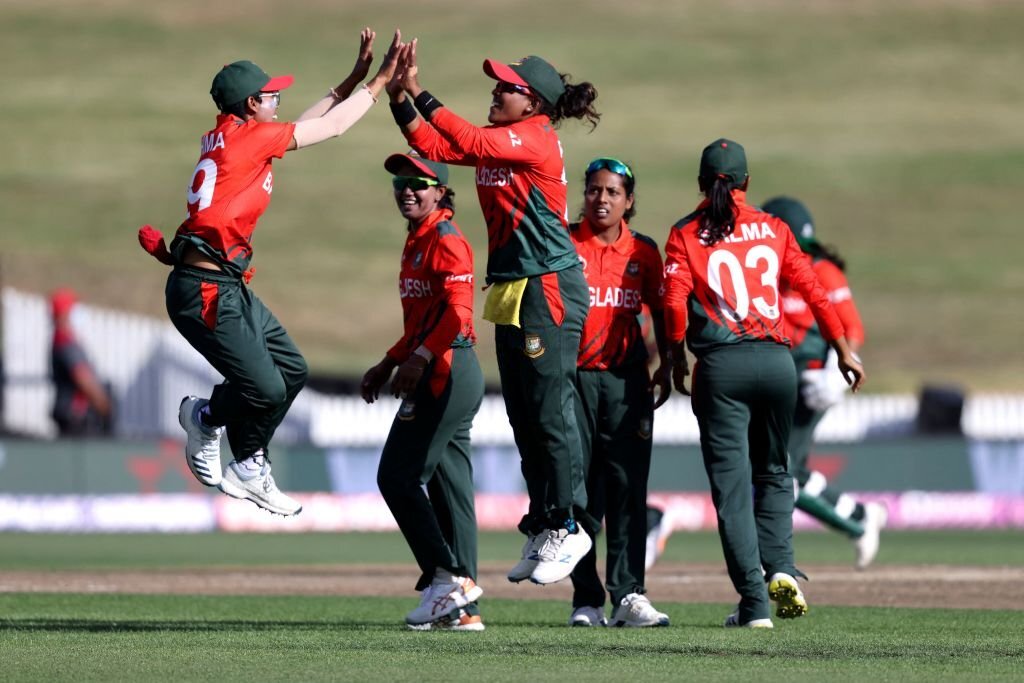
Her achievements helped challenge social barriers and opened doors for future generations of female athletes. Today, women from Bangladesh are competing internationally in sports such as cricket, football, shooting, and athletics. The progress seen in these fields owes much to pioneers like Linu, who demonstrated that talent and determination could overcome societal limitations.
By establishing herself as a dominant athlete in a highly competitive sport, Linu became a symbol of empowerment for many young women across the country.
Recognition and Awards
Over the course of her career, Linu received several honours for her contribution to sports. In 1999, she was awarded the Bangladesh National Sports Award, recognizing her achievements and dedication to table tennis.
Decades later, her remarkable journey has been further acknowledged with the Independence Award 2026, the highest civilian honour in Bangladesh.
The award recognizes her “outstanding contribution to the field of sports”, highlighting her role in shaping the history of table tennis in the country.
This recognition places her among a distinguished group of national figures whose work has had a lasting impact on Bangladesh.
Leadership and Contribution After Retirement
Even after retiring from professional competition, Linu remained deeply involved in sports administration and development.
She served as general secretary of the Bangladesh Table Tennis Federation, contributing to the promotion and governance of the sport.
In addition, she held leadership roles in other sporting bodies, including serving as vice-president of the Bangladesh Cycling Federation and chairperson of the Athletes Commission of the Bangladesh Olympic Association.
Through these positions, Linu continued to advocate for athletes and worked to strengthen sports institutions in Bangladesh. Her involvement ensured that her experience and knowledge benefited the next generation of sports administrators and competitors.
Inspiring the Next Generation
For many young athletes in Bangladesh, Jobera Rahman Linu represents more than just a champion. She symbolizes the possibilities that open when talent meets determination.
Her journey from a young girl practicing table tennis to becoming a national icon demonstrates the power of perseverance and passion. By excelling in a sport that rarely dominates headlines, Linu showed that greatness can emerge from dedication to any discipline.
Her success continues to inspire young athletes, particularly girls who aspire to pursue sports professionally. Stories of her achievements remain a source of motivation for aspiring players across Bangladesh.
A Lasting Legacy
The recognition of Jobera Rahman Linu with the Independence Award 2026 celebrates a lifetime devoted to sports and national pride. Her career stands as one of the most remarkable in Bangladesh’s sporting history, marked by national dominance, international representation, and leadership in sports development.
From her early days as a child athlete to her record-breaking achievements and administrative roles, Linu’s journey reflects the growth of table tennis and women’s sports in Bangladesh.
As the nation honours the recipients of the Independence Award, Linu’s legacy serves as a powerful reminder that sports can shape identity, inspire communities, and create lasting change. For future generations of athletes, her story will continue to symbolize determination, excellence, and the enduring spirit of competition.