



ICC Denies Bangladesh’s Request to Move T20 World Cup Matches Outside India


ICC Denies Bangladesh’s Request to Move T20 World Cup Matches Outside India: What It Means for Cricket and Global Sport
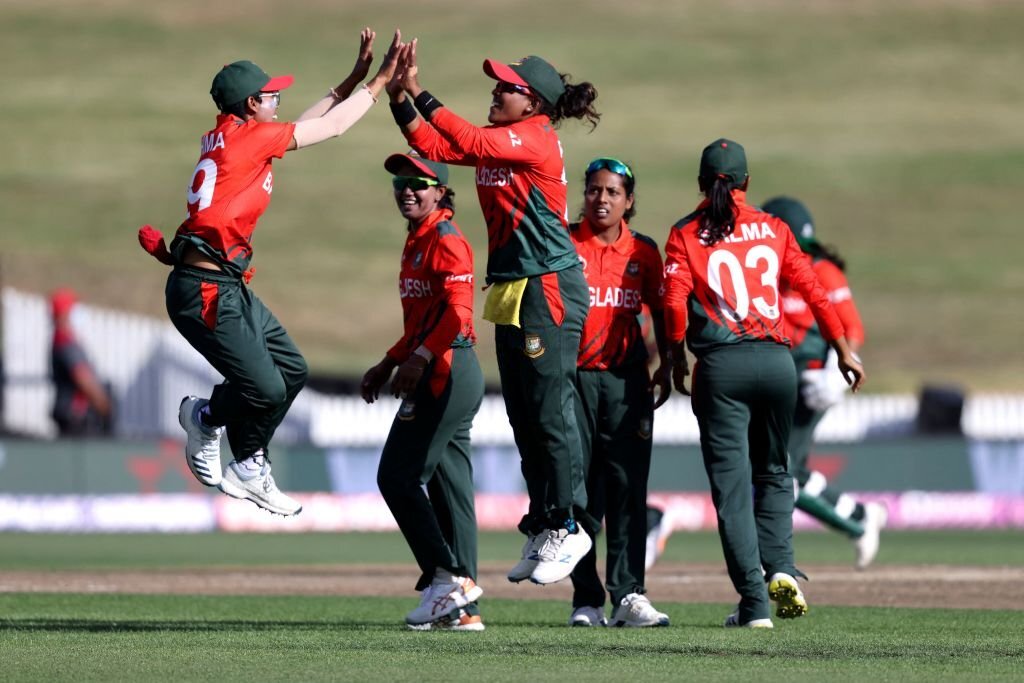
The International Cricket Council (ICC) has formally rejected a request from the Bangladesh Cricket Board (BCB) to relocate the national men’s team’s matches of the upcoming ICC Men’s T20 World Cup 2026 from India to other venue. The decision, announced during an ICC Board meeting, confirms that Bangladesh’s scheduled fixtures will proceed in India as originally planned for the tournament that begins on February 7, 2026.
Bangladesh’s request emerged amid a tense backdrop involving political sensitivities, player safety concerns, and a high-profile controversy over the exclusion of fast bowler Mustafizur Rahman from the Indian Premier League (IPL). These developments have intensified scrutiny of cricket administration across Asia, prompting ongoing debate on governance, team safety, and the relationship between sport and geopolitics.
What Bangladesh Asked For
The Bangladesh Cricket Board formally sought to have its four group-stage matches relocated away from India to alternative venue in Sri Lanka. The board cited security and safety concerns for players, officials, media, and fans, raising issues that it argued could affect the team’s well-being if they travelled to Indian venues.
Under the existing World Cup schedule, Bangladesh’s three group matches are set to be played in Kolkata at the Eden Gardens and one match at the Wankhede Stadium in Mumbai.
The BCB’s appeal reflected broader anxieties following Mustafizur Rahman’s removal from the IPL squad viewed by some officials as politically charged and unrelated to competition regulations. While the ICC later called Rahman’s exclusion an “isolated incident,” it nevertheless contributed to distrust in the ongoing negotiations.
ICC’s Decision and Rationale
In its statement released after a board meeting conducted via video conference on Wednesday, the ICC made several key points:
All independent security assessments conducted in India indicated no credible threats that would compromise the safety or security of Bangladesh players, officials, media, or fans at any designated match venues.
Altering the tournament schedule so close to the start date was deemed impractical and potentially precedent-setting, with the potential to undermine consistency and neutrality in future ICC events.
The ICC highlighted that its venue and scheduling decisions apply uniformly to all 20 competing nations and are rooted in a structured governance framework.
These points reflect the ICC’s position that maintaining the schedule preserves the integrity and fairness of the championship and ensures that logistical planning for teams and fans stays on track.
The Security Debate
Central to the dispute has been differing interpretations of security risk:
The Bangladesh Cricket Board emphasised player and staff safety as a priority, requesting relocation to a neutral venue.
The ICC, however, cited its own risk assessments and host guarantees, asserting that there were no security advisories strong enough to justify a venue change.
This dichotomy reflects how global event organisers and sports governing bodies address perceived versus assessed security threats and how these assessments influence major tournament planning.
Possible Outcomes: Participation or Replacement
With the ICC’s position clarified, Bangladesh now faces a strategic choice:
- Participate in India under the existing arrangement.
- Withdraw or refuse to travel, which could lead to replacement by another team.
Reports indicate that a replacement could be selected based on team rankings, with Scotland identified as a likely candidate if Bangladesh opts out.
This situation raises larger questions about tournament structures and how governing bodies balance sovereign team decisions and contractual obligations under global event frameworks.
Broader Implications for International Cricket
The dispute between the ICC and BCB is notable for several broader reasons:
1. Governance and Neutrality in Sport
The ICC’s decision reaffirms its role as a neutral arbitrator over global cricket events, emphasising that its scheduling and venue commitments must remain consistent across member nations.
However, some critics argue that governance decisions must account for political and diplomatic complexities, particularly in regions with historically sensitive relations.
2. Relations Between Member Boards
The incident has also stirred conversations about the dynamics between national cricket boards, especially those of Bangladesh, India, and other South Asian rivals. Pakistan’s cricket board reportedly backed Bangladesh’s stance, urging a reconsideration of the ICC stance, highlighting solidarity among cricketing nations with shared concerns.
3. Player Welfare Discussions
Player safety remains central to global sport governance, and the contrasting assessments between the BCB and ICC highlight the need for clear, transparent, and jointly agreed protocols for risk evaluation.
Reactions From the Cricketing Community
Reactions have varied across the cricketing world:
Supporters of Bangladesh’s position commend the BCB for prioritising player safety and national concerns.
Advocates for the ICC’s ruling argue that the global event’s schedule and fairness should not be compromised without substantiated security evidence.
Players and fans are closely watching developments, with some Bangladesh players expressing a desire to compete in the World Cup despite the administrative deadlock.
What Happens Next?
The coming weeks will be decisive for Bangladesh’s participation:
If Bangladesh agrees to play, the team will travel to India for all scheduled group matches.
If it does not, the ICC is prepared to choose an alternate team to fill the slot, preserving tournament integrity.
The final decision is expected around the January 21, 2026 deadline communicated in discussions between the ICC and BCB, though the BCB has denied an official ultimatum date and maintained that negotiations continue.
Bangladesh’s T20 World Cup Participation Under Cloud
The ICC’s rejection of Bangladesh’s appeal to relocate its T20 World Cup matches underscores the complexities at the intersection of global sport governance, geopolitical sensitivities, and organisational standards. The situation exemplifies how international sporting bodies must balance logistical rigidity with national concerns especially when high-profile tournaments draw worldwide attention.
As the cricket world awaits the tournament’s commencement on February 7, all eyes will remain on the resolution of this dispute and its implications for future international sporting events.