




Cook Fresh: How Ready to Cook Vegetable Carts Are Changing Grocery Shopping
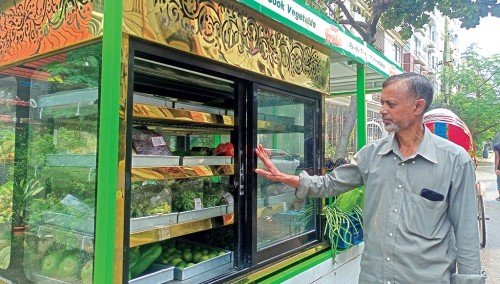
Cook Fresh, a ready-to-cook vegetable startup, is bringing a massive change to Dhaka’s busy neighbourhoods. Along narrow alleys, near homes, and adjacent to markets, a new trend is emerging- ready-to-cook vegetable carts. These mobile vendors are not just making shopping more convenient for busy city dwellers; they are also fostering a micro-economic ecosystem that is reshaping grocery shopping habits in a city where both time and space are becoming more valuable.
The Emergence of Ready to Cook Vegetable Carts
Traditionally, grocery shopping in Dhaka, including in Mirpur, has involved visiting large markets or roadside vendors to select loose vegetables, fruit and other produce. While these markets offer variety and local price advantages, they also demand significant time, patience and physical effort.
In a community where many households juggle two incomes, long work hours and family responsibilities, this model sometimes feels inefficient. Enter the ready to cook vegetable cart, a mobile solution that pre-packages washed, cleaned and cut vegetables ready to be taken home and cooked without delay.
These carts are stocked with a variety of popularly used vegetables such as onions, potatoes, carrots, beans, spinach and more. Customers can choose portions based on their needs, significantly reducing preparation time at home. In many cases, even spice mixes — such as ingredients for bhaji or curry — are combined and priced for immediate use.
Convenience Meets Urban Lifestyles
One of the strongest drivers of this shift is convenience. For many residents of Mirpur including professionals, students and homemakers rushing to supermarkets or local markets daily is increasingly impractical. Ready to cook vegetable carts solve this problem by bringing pre prepared produce right to residential streets.
Shoppers no longer need to:
-
Spend time queuing at crowded markets
-
Wash, peel and chop vegetables at home
-
Make last-minute trips after work
Instead, residents can quickly pick up portions tailored to their meal plans while running other errands or during their walk home. In a city where traffic congestion and long commutes are daily realities, this mobility and convenience have considerable appeal.
Supporting Local Vendors and Microbusinesses
The rise of ready to cook carts is not just a story of consumer convenience. It is also a story of economic opportunity for local vendors.
In areas like Mirpur, many vendors operate these carts on foot or with small bicycles and trolleys. By offering value added services such as cleaning and cutting vegetables, they tap into higher margins compared with traditional produce vending. These microbusinesses often serve customers who might otherwise prefer larger grocery stores or supermarkets, effectively creating new local supply chains.
This model also allows vendors to build direct relationships with residents by offering:
-
Doorstep service
-
Custom portion sizes
-
Flexible pricing
-
Quick turnover of fresh produce
These small entrepreneurs are demonstrating how traditional retail and micro enterprise can adapt to modern urban needs without large infrastructure investments.
Health and Hygiene Considerations
One of the concerns frequently raised about many street level food services in South Asia is hygiene. Ready to cook vegetable carts in Mirpur have responded to this challenge by emphasising cleanliness and food safety.
Many vendors now:
-
Wash vegetables thoroughly before packaging
-
Use clean and sealed containers or bags
-
Keep produce shaded from direct sunlight
-
Change water and cleaning cloths regularly
Some vendors also display hygiene practices such as wearing gloves or covering carts with clean cloth, which inspires additional confidence among customers. By aligning with basic safety standards, these carts are making street food retail more viable in a modern urban environment.
Cost and Accessibility Advantages
Another reason for the popularity of ready to cook carts is affordability. Many customers find that these carts offer competitive pricing compared with supermarkets, particularly when factoring in the added labour of washing and cutting.
The ready to cook model eliminates:
-
Extra transport costs to big markets
-
Wastage due to bulk purchases
-
Time spent on home preparation
For smaller families or single residents, the ability to purchase exact portions without waste is an important advantage. This targeted quantity selling makes fresh vegetables more accessible and reduces unnecessary expenditure.
Adapting to Digital Trends
Although many ready to cook vegetable carts still operate offline, some vendors are beginning to experiment with digital engagement. A few cart owners have started taking orders via mobile phone or social messaging apps such as WhatsApp and Facebook Messenger.
This adaptation allows customers to:
-
Pre order vegetable packs
-
Request specific cuts or ingredient mixes
-
Schedule delivery at convenient times
As smartphone penetration and internet connectivity improve across urban Bangladesh, this blend of traditional retail and digital convenience points to an evolving future for micro retail ecosystems.
Customer Perspectives: Convenience and Modern Living
For many Mirpur residents, ready to cook vegetable carts represent a practical response to urban living.
One homemaker shared that she saves nearly one hour each day by purchasing pre washed and cut vegetables, time she uses for family and work. Another young professional noted that buying ready to cook packs after office hours fits better with his schedule than a long trip to the supermarket.
Many customers also appreciate the flexibility of portion sizes, which is particularly useful for smaller households or for preparing specific dishes without waste.
Impact on Local Food Culture
While the convenience of ready to cook vegetables is obvious, some traditionalists question whether it impacts the cultural practice of selecting and preparing fresh produce by hand. However, these cart vendors are not replacing markets. Instead, they coexist with traditional grocery sources, offering consumers options based on preference and convenience.
Some regular market shoppers still prefer personal selection of produce, especially when cultural traditions influence meals prepared for special occasions. Yet, the ready to cook carts play an important complementary role, particularly on busy weekdays or during peak meal planning hours.
A Model With Potential Beyond Mirpur
The success of ready to cook vegetable carts in Mirpur raises questions about scalability and replication in other parts of Dhaka and across Bangladesh. Urban areas with similar lifestyles, high population density, and busy commuter routines could benefit from similar models.
Potential future directions include:
-
Expanding into prepared spice mixes
-
Partnering with local farms for fresh seasonal produce
-
Offering subscription packs for regular customers
If organised thoughtfully, these carts could even link with local e commerce platforms, enabling broader reach and convenience.
Redefining Grocery Shopping in Urban Bangladesh
The rise of ready-to-cook vegetable carts in Mirpur is more than just a retail evolution as it represents a shift in how urban consumers prioritise convenience, quality, and value. These mobile vendors are not only meeting the needs of busy city dwellers but are also empowering local entrepreneurs to thrive in a changing marketplace.
By delivering fresh, clean, and affordable produce directly to customers’ neighbourhoods, ready to cook vegetable carts are redefining grocery shopping for a new generation of buyers. Their success story underscores a broader trend in Bangladesh’s rapidly transforming retail ecosystem one where convenience meets community, and where innovation is rooted in everyday life.