



How Railway Can Boost Bangladesh’s Economy in the 21st Century?
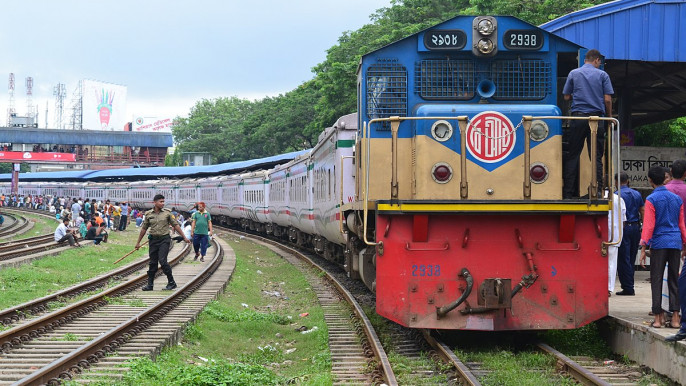

Bangladesh is standing at a critical economic juncture where infrastructure choices will determine the pace and quality of growth for decades. Among roads, waterways, aviation and ports, Railway remains the most underutilised yet potentially transformative mode of transport in the country.
As Bangladesh targets upper middle income status and seeks to deepen regional and global trade integration, Railway can emerge as a backbone for inclusive, cost efficient and environmentally sustainable economic development. From moving millions of workers and students daily to carrying bulk cargo for industries and ports, Railway holds the capacity to reshape productivity, reduce logistics costs and unlock balanced regional growth.
Historic strength: How Railway shaped early economic growth
The history of Railway in Bangladesh dates back to the British colonial period, when the first rail line was opened in 1862 between Darshana and Jagati in present day Kushtia. The colonial administration developed Railway primarily to facilitate the movement of raw materials such as jute, tea and coal to ports and industrial hubs. By the early twentieth century, Railway lines had expanded across Bengal, connecting Chattogram Port, Narayanganj river port and major agricultural zones.
After the Partition of 1947, Railway infrastructure in East Pakistan inherited an uneven network, with many lines cut off from markets and maintenance facilities located in West Pakistan. Despite these structural constraints, Railway remained a lifeline for food transport, passenger movement and flood relief operations. Following independence in 1971, Bangladesh Railway was reorganised as a state owned entity and played a crucial role in post war reconstruction and national integration.
During the 1970s and 1980s, Railway carried the bulk of long distance passenger traffic and essential commodities such as fertilizer, fuel and food grains. However, policy neglect, underinvestment and rapid road expansion gradually weakened its position. Even so, Railway’s historic contribution to territorial cohesion, rural connectivity and industrial supply chains remains undeniable, and this legacy provides a strong foundation for revival.
Potential: Railway as an economic multiplier
Railway can boost Bangladesh’s economy through multiple direct and indirect channels. First, it offers the lowest per unit cost for transporting bulk goods over long distances. Industries such as cement, steel, fertilizer, power generation and garments depend heavily on reliable logistics. A modern Railway system can significantly reduce transport costs, improve delivery times and enhance competitiveness in export markets.
Second, Railway supports labour mobility at scale. Millions of workers commute daily between suburbs, industrial zones and city centres. Affordable and punctual Railway services can increase workforce participation, reduce congestion related productivity losses and improve quality of life. For a densely populated country like Bangladesh, Railway provides unmatched passenger carrying capacity with minimal land use.
Third, Railway stimulates regional development. New lines and stations encourage the growth of satellite towns, agro processing hubs and logistics parks. Historically marginal regions can be better integrated into national markets, reducing regional inequality and pressure on megacities like Dhaka.
Fourth, Railway contributes to environmental sustainability. Compared to road transport, Railway emits far less carbon per tonne kilometre. As Bangladesh faces climate vulnerability and urban air pollution, shifting freight and passengers to Railway aligns economic growth with environmental responsibility.
Structural and operational challenges
Despite its potential, Railway in Bangladesh faces deep rooted challenges that limit its economic impact. One of the most significant problems is underinvestment. For decades, Railway received a smaller share of transport sector spending compared to roads. This resulted in aging tracks, outdated signaling systems and a shortage of locomotives and wagons.
Institutional inefficiency is another challenge. Bangladesh Railway operates under a traditional bureaucratic structure with limited commercial autonomy. Decision making processes are slow, maintenance regimes are reactive rather than preventive and accountability mechanisms are weak. Fare structures often fail to reflect operational costs, leading to chronic financial deficits.
Land encroachment and right of way issues also undermine Railway expansion and safety. In urban areas, informal settlements and commercial structures occupy Railway land, complicating modernization projects. At the same time, accidents and service disruptions erode public confidence, pushing passengers and shippers toward road transport.
Interoperability and gauge differences add further complexity. Bangladesh Railway operates both broad gauge and metre gauge networks, increasing maintenance costs and limiting seamless operations. Although dual gauge projects are underway, progress remains uneven.
Railway versus road, water and air
In Bangladesh’s transport ecosystem, Railway competes primarily with road transport, while inland waterways and aviation play niche roles. Road transport has expanded rapidly due to flexible routing, faster point to point delivery and strong private sector participation. Trucks dominate freight movement, while buses and private vehicles carry most passengers.
However, road dominance comes at a high economic cost. Logistics expenses in Bangladesh remain significantly higher than global averages, partly due to congestion, fuel inefficiency and road maintenance burdens. Overreliance on roads also accelerates pavement damage, increases accident rates and raises environmental costs.
Inland waterways offer cost advantages for bulk cargo, but seasonal navigability issues and limited port connectivity restrict their reliability. Aviation is essential for high value and time sensitive goods, yet it cannot substitute mass transport due to high costs.
Compared to these competitors, Railway offers a balanced solution combining capacity, cost efficiency and sustainability. In countries like India, China and Japan, Railway plays a central role in freight corridors, commuter networks and export logistics. China’s heavy investment in Railway infrastructure has reduced logistics costs and boosted industrial clustering. India’s Dedicated Freight Corridor project demonstrates how Railway modernization can unlock economic growth by separating freight from passenger traffic.
Missed opportunity: Railway and port connectivity
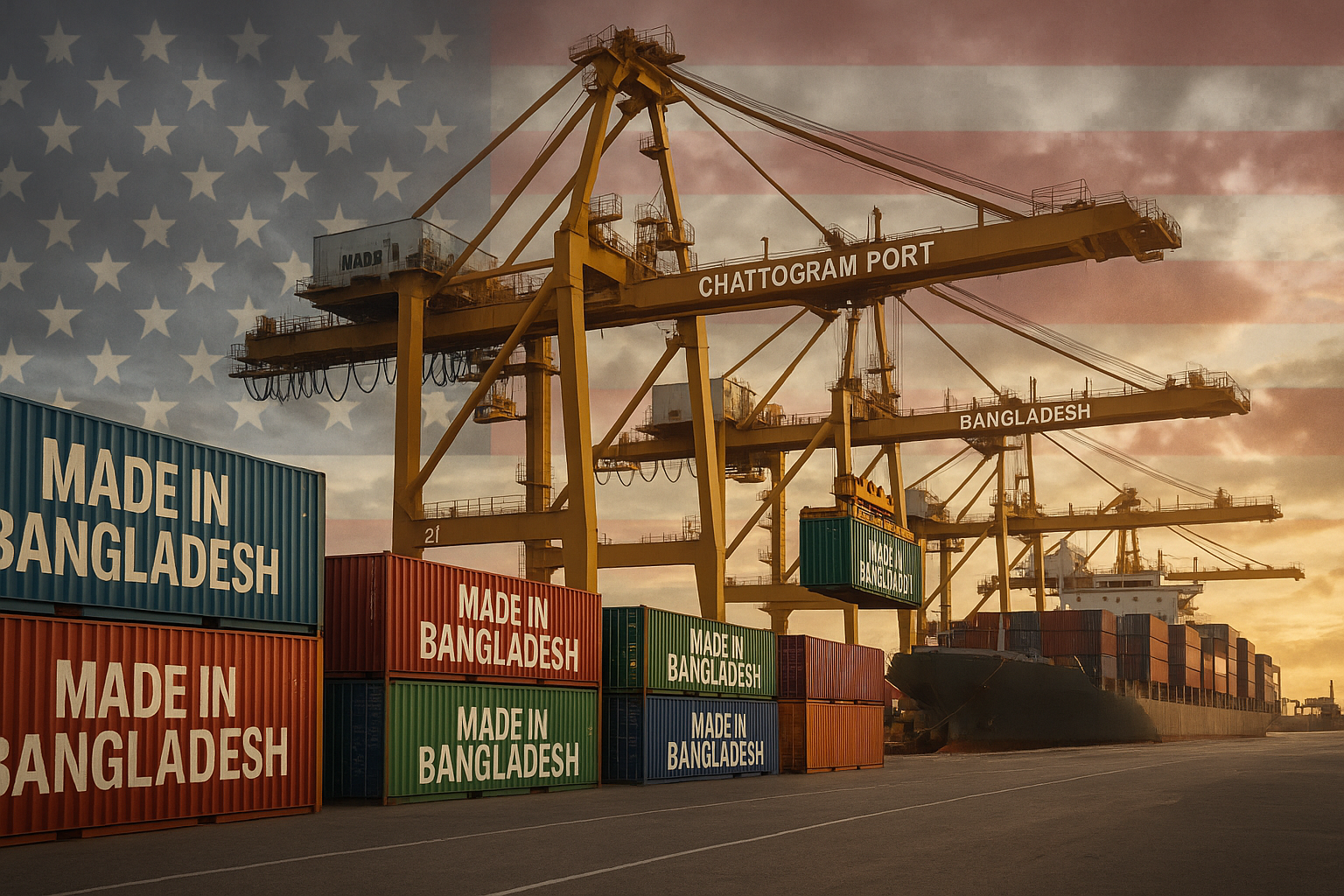
One of the most critical areas where Railway can boost Bangladesh’s economy is port connectivity. Chattogram Port, the country’s principal maritime gateway, handles the majority of export import cargo. Yet the share of Railway in port hinterland transport remains relatively low compared to international standards.
Limited siding facilities, capacity constraints and operational bottlenecks restrict seamless rail based cargo movement. As Bangladesh expands port infrastructure including the Bay Terminal and Matarbari Deep Sea Port, integrating Railway into port logistics will be essential. Efficient rail corridors connecting ports to inland container depots and industrial zones can decongest highways, reduce turnaround times and enhance trade competitiveness.
Reform momentum: Signs of change
In recent years, Bangladesh has begun to re acknowledge the importance of Railway. Major projects such as the Padma Bridge Rail Link, Dhaka Mass Rapid Transit integration, dual gauge conversions and new rolling stock procurement indicate renewed policy attention. International partners including Japan, China and India are supporting Railway development through financing and technical assistance.
Digitalization efforts such as online ticketing and improved passenger information systems have enhanced user experience. Freight services are slowly expanding, particularly for fuel, fertilizer and container traffic. These initiatives suggest that Railway revival is possible with sustained commitment.
Lessons from regional peers
A comparison with regional peers highlights both gaps and opportunities. India has transformed its Railway into a key economic enabler by prioritizing freight corridors, station redevelopment and public private partnerships. China has leveraged high speed and heavy haul Railway to integrate inland provinces with coastal markets. Even smaller economies like Vietnam have recognized the role of Railway in supporting export oriented manufacturing.
Bangladesh’s Railway network density is relatively high given its size, but utilization efficiency remains low. Learning from peers requires not only infrastructure investment but also governance reform, market oriented operations and customer centric service design.
Way forward: Building a Railway led growth strategy
To fully realize how Railway can boost Bangladesh’s economy, a comprehensive and integrated strategy is essential. Investment priorities should focus on track renewal, signaling modernization and rolling stock expansion to improve reliability and speed. Dedicated freight corridors connecting ports with industrial hubs can transform logistics efficiency.
Institutional reform is equally important. Granting greater operational autonomy to Bangladesh Railway, introducing performance based management and encouraging private sector participation in freight and station services can enhance efficiency. Transparent pricing mechanisms that balance social obligations with financial sustainability will reduce chronic deficits.
Urban and suburban Railway services should be integrated with metro and bus systems to create seamless multimodal mobility. This will reduce congestion and improve labour productivity in major cities. Land value capture around stations can generate additional revenue and support transit oriented development.
Safety and maintenance must receive top priority. Modern signaling, level crossing elimination and preventive maintenance will restore public trust and reduce economic losses from accidents. At the same time, resolving land encroachment issues through legal and social measures will protect Railway assets.
Finally, environmental and climate considerations should guide future Railway expansion. Electrification, energy efficient locomotives and green station design will align Railway development with Bangladesh’s climate commitments while enhancing long term economic resilience.
Railway as a pillar of inclusive growth
Railway is not merely a transport option, it is a strategic economic instrument capable of shaping Bangladesh’s development trajectory. By reducing logistics costs, enhancing labour mobility, supporting regional balance and promoting sustainability, Railway can significantly boost Bangladesh’s economy in the coming decades. The historical legacy of Railway provides both lessons and inspiration, while global and regional experiences offer practical models for reform.
The challenge lies not in recognizing Railway’s importance, but in translating vision into consistent policy, investment and institutional change. If Bangladesh places Railway at the heart of its infrastructure strategy, the dividends will extend far beyond tracks and trains, reaching factories, farms, ports and households across the nation.