


How Bangladesh’s Tourist Heartland Cox’s Bazar Can Attract More Global Travelers?


Cox’s Bazar stands at the very center of Bangladesh’s tourism ambition. Home to the world’s longest uninterrupted natural sea beach, stretching over 120 kilometers along the Bay of Bengal, Cox’s Bazar is not only a national pride but also a destination with strong global appeal.
Yet despite its immense natural beauty and cultural richness, Cox’s Bazar still receives far fewer international tourists than comparable beach destinations in Asia. Unlocking its full potential requires a careful blend of infrastructure development, environmental protection, service quality improvement, and strategic global branding.
Global Significance of Cox’s Bazar as a Tourist Destination
Cox’s Bazar holds a unique place on the global tourism map due to its rare geographical and ecological features. The uninterrupted sandy shoreline, gentle slopes, and scenic sunsets create an experience that is difficult to replicate elsewhere. Unlike many crowded beach destinations, Cox’s Bazar still offers long stretches of relatively open coastline where visitors can enjoy nature without excessive commercialization.
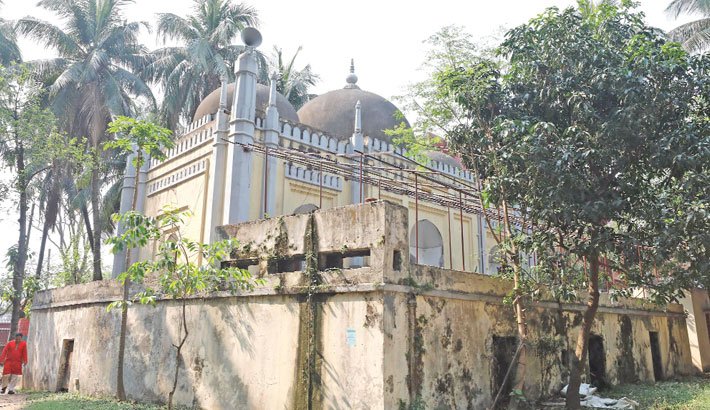
Beyond the beach, Cox’s Bazar benefits from a rich cultural and historical background. The town is named after Captain Hiram Cox, a British officer whose humanitarian efforts during the late eighteenth century left a lasting imprint. Nearby areas such as Ramu with its Buddhist temples, Himchari with its hills and waterfalls, and the marine biodiversity of the Bay of Bengal add depth to the tourist experience.
Cox’s Bazar also serves as a gateway to other attractions including Saint Martin’s Island, Maheshkhali Island, and the Teknaf peninsula. This geographic positioning allows the destination to offer beach tourism, eco tourism, cultural tourism, and religious tourism within a compact travel radius, a highly attractive feature for international travelers seeking diverse experiences.
Existing Tourism Facilities in Cox’s Bazar Show Promising Progress
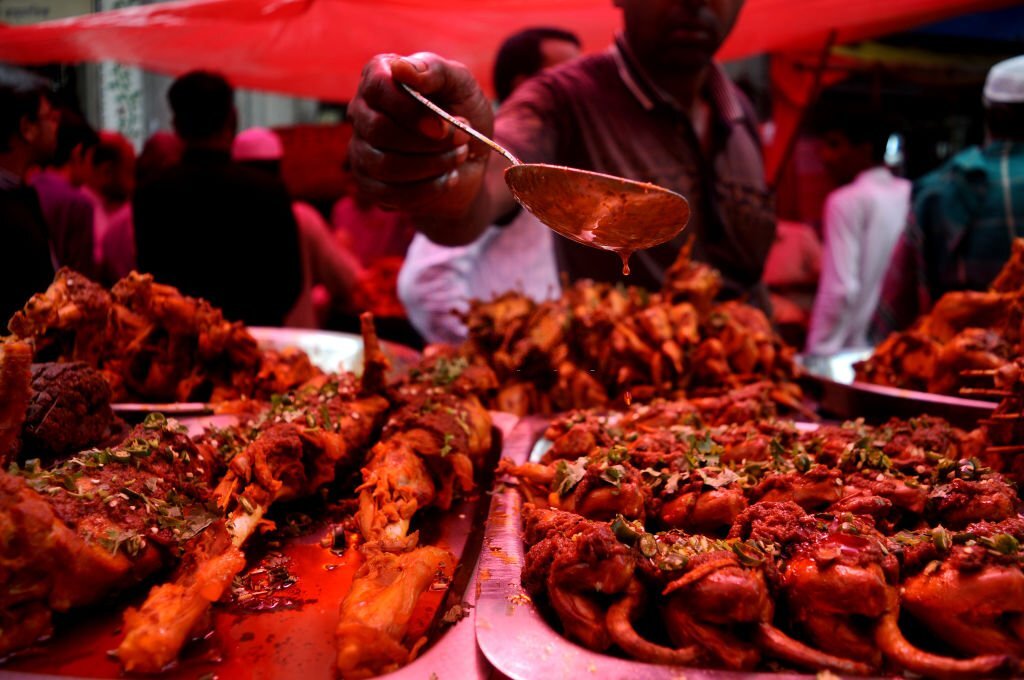
Over the last decade, Cox’s Bazar has seen noticeable growth in tourism infrastructure. The city now hosts hundreds of hotels and resorts ranging from budget accommodations to luxury properties operated by both local and international brands. Restaurants offering seafood, local Bangladeshi cuisine, and limited international options line major tourist zones such as Kolatoli and Laboni Beach.
Transport connectivity to Cox’s Bazar has improved with regular domestic flights from Dhaka, and ongoing upgrades to Cox’s Bazar Airport aim to transform it into an international gateway. Road connectivity has also improved, though long travel times from major cities remain a concern.
Tourist services such as beach patrols, tourist police units, and guided tour operators are present, providing a basic level of safety and assistance. Digital presence has improved modestly with online hotel booking platforms and social media promotion by private operators. These developments indicate that Cox’s Bazar has already crossed the initial threshold of a mainstream tourist destination.
Untapped Tourism Potentials of Cox’s Bazar
The future potential of Cox’s Bazar goes far beyond sun and sand. Marine tourism remains largely unexplored despite the presence of coral habitats, dolphin zones, and deep sea fishing opportunities. With proper regulation, whale watching, scuba diving, and snorkeling could attract high value tourists.
Eco tourism is another promising area. Surrounding hills, mangrove patches, and forest reserves near Teknaf offer opportunities for nature trails, bird watching, and community based tourism. Responsible eco tourism can create income for local communities while preserving fragile ecosystems.
Cox’s Bazar also has strong potential as a meetings, incentives, conferences, and exhibitions destination. With proper convention centers and business friendly services, the city could attract regional conferences and corporate retreats, reducing seasonal tourism fluctuations.
Medical and wellness tourism is an emerging opportunity. The calm coastal environment of ‘Cox’s Bazar’ is well suited for wellness resorts, yoga retreats, and rehabilitation centers catering to regional and international clients.
Environmental and Urban Challenges in Cox’s Bazar
Despite its advantages, Cox’s Bazar faces serious challenges that undermine its tourism appeal. Unplanned urbanization has led to haphazard construction along the beachfront, obstructing natural views and straining infrastructure. Poor waste management has resulted in plastic pollution on beaches and in nearby water bodies, harming both aesthetics and marine life.
Environmental degradation threatens the long term sustainability of Cox’s Bazar. Sand extraction, hill cutting, and wetland encroachment increase vulnerability to climate change impacts such as coastal erosion and flooding. The pressure of mass tourism during peak seasons further accelerates environmental stress.
Urban congestion is another growing problem. Narrow roads, inadequate parking, and poor traffic management create discomfort for visitors. Public amenities such as clean public toilets, signage, and pedestrian friendly spaces remain insufficient by international standards.
Service Quality and Skill Gaps in Cox’s Bazar
While hospitality infrastructure has expanded, service quality often lags behind global expectations. Many tourism workers lack formal training in customer service, foreign languages, and international hospitality standards. This gap affects visitor satisfaction and limits repeat tourism.
Informal pricing practices, inconsistent service quality, and limited transparency can create negative impressions among foreign tourists. Without consistent service standards, Cox’s Bazar struggles to compete with established destinations such as Phuket, Bali, or Langkawi.
Safety perceptions also matter. Although tourist police are active, occasional reports of harassment, overcrowding, and lack of clear emergency response systems can discourage international travelers who prioritize security and comfort.
Strategic Global Branding of Cox’s Bazar
One of the most significant limitations of Cox’s Bazar is its limited visibility in global tourism markets. International marketing campaigns are sporadic and lack a unified brand identity. Unlike competing destinations that promote distinct themes such as adventure, luxury, or sustainability, Cox’s Bazar does not yet project a clear global narrative.
Digital marketing remains underutilized. Professional destination websites, multilingual content, virtual tours, and coordinated social media storytelling could significantly enhance global reach. Partnerships with international travel influencers, airlines, and tour operators are still limited.
Way Forward for Cox’s Bazar
The path to transforming Cox’s Bazar into a globally competitive destination lies in coordinated long term planning. Sustainable tourism policies must be enforced to protect beaches, hills, and marine ecosystems. Strict zoning laws can prevent further unplanned construction and restore visual harmony along the coastline.
Investment in human capital is equally critical. Hospitality training institutes, language programs, and certification systems can elevate service quality and professionalism. Encouraging local community participation in tourism ensures inclusive growth and cultural authenticity.
Infrastructure upgrades should focus on smart urban design, efficient public transport, clean energy, and modern waste management systems. Completing the international airport and improving regional connectivity will significantly enhance accessibility.
Branding Cox’s Bazar as a safe, sustainable, and diverse destination requires consistent global marketing. Highlighting its unique natural length, cultural diversity, and emerging eco friendly initiatives can differentiate *Cox’s Bazar* from competitors.
Public private partnerships can play a decisive role by mobilizing investment while ensuring accountability. Transparent governance, data driven tourism planning, and visitor feedback mechanisms will help build trust among international travelers.
Conclusion
Cox’s Bazar possesses all the essential ingredients of a world class tourist destination. Its unmatched natural beach, cultural richness, and strategic location provide a strong foundation for growth. However, attracting more international tourists requires more than natural beauty alone. Addressing environmental degradation, improving service quality, strengthening infrastructure, and crafting a compelling global brand are essential steps.
With thoughtful planning and sustained commitment, Cox’s Bazar can emerge as South Asia’s leading sustainable beach destination. By balancing growth with preservation, Bangladesh can ensure that Cox’s Bazar not only attracts more tourists but also delivers meaningful economic and social benefits for generations to come.