


Knowing the Home Minister Salahuddin Ahmed: Political Rise and Vision

Knowing the Home Minister Salahuddin Ahmed: Political Rise and Vision
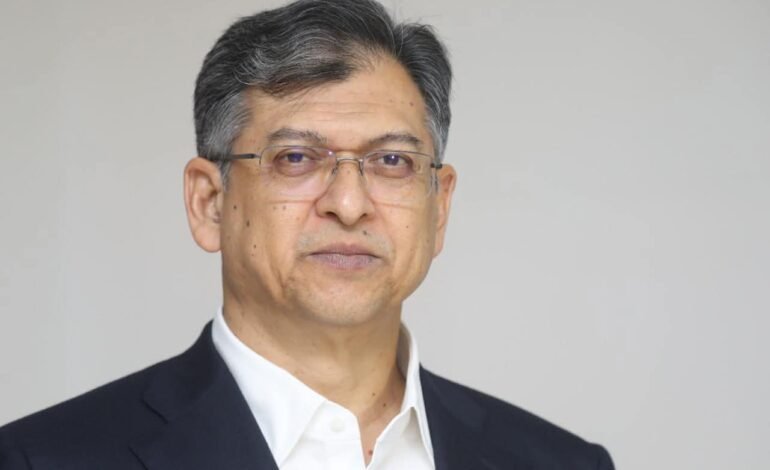
In a dramatic shift in Bangladesh’s political landscape, seasoned politician Salahuddin Ahmed has been sworn in as the new Minister of Home Affairs, bringing with him decades of political experience, grassroots leadership and a narrative marked by resilience, controversy, and renewed promise. His elevation from a constituency representative of Cox’s Bazar-1 to the country’s top law-and-order office marks a pivotal chapter in Bangladesh’s governance.
This article explores the life, career, controversies, and policy priorities of the man now tasked with safeguarding internal security in Bangladesh.
A Young Leader Born in Cox’s Bazar
Salahuddin Ahmed was born on 30 June 1962 in the rural village of Pekua Union, part of the greater Chakaria region in Cox’s Bazar, one of Bangladesh’s most culturally vibrant yet politically challenging districts.
From an early age, he demonstrated academic excellence, completing his Higher Secondary Certificate with distinction before enrolling in the Department of Law at the University of Dhaka, where he earned both his LL.B (1984) and LL.M (1986) degrees.
It was during his college years that Salahuddin first entered the political arena, rising through the ranks of the Bangladesh Jatiyatabadi Chhatra Dal, the student wing of the Bangladesh Nationalist Party (BNP). His early activism placed him at the center of pro-democracy movements at a time of intense political unrest in Bangladesh.
From Civil Service to National Politics
After completing his legal education, Salahuddin Ahmed passed the 7th Bangladesh Civil Service (BCS) examination in 1985 and briefly served in government service. He then became the assistant private secretary to then-Prime Minister Khaleda Zia after the BNP came to power in 1991.
His political ambition was evident when he resigned from civil service in 1996 to contest the Cox’s Bazar-1 seat. He won and was elected to Parliament, beginning a long legislative career representing his home constituency.
Between 1996 and 2006, Salahuddin served three consecutive terms as a Member of Parliament. In addition to his legislative responsibilities, he held the portfolio of State Minister for Communications between 2001 and 2006, a crucial period when Bangladesh grappled with major infrastructure and policy challenges.
Trials, Controversy, and a Return to Center Stage
Despite his political ascent, Salahuddin’s career has not been without controversy. During the nationwide anti-corruption drive in 2007, he was arrested and later sentenced to imprisonment on bribery charges, reflecting the harsh scrutiny of public office bearers during that period.
In a much-reported episode in 2015, Salahuddin disappeared from Dhaka under mysterious circumstances. The BNP claimed he was abducted by domestic security forces, while he was later found in Shillong, India detained by Indian police and subsequently charged under the Foreigners Act. After prolonged legal challenges, he was acquitted and legally cleared to return to Bangladesh.
His return to Bangladesh in August 2024 was widely seen as a symbolic moment for BNP supporters and marked his re-entry into mainstream politics after nearly a decade.
Recent Political Victory and Parliamentary Impact
In the 2026 general elections, Salahuddin Ahmed secured a landslide victory in the Cox’s Bazar-1 constituency, winning with a significant margin over his nearest rival.
After being sworn in as a Member of Parliament, he was appointed Home Minister in the cabinet led by Prime Minister Tarique Rahman. This role places him at the apex of Bangladesh’s internal security architecture — a responsibility that carries both political weight and operational urgency.
Vision as Home Minister: Law Order, Police Reform, and Ending “Mob Culture”
Since assuming office, Minister Salahuddin has articulated a bold vision for the Home Ministry, focusing on restoring public confidence and professionalism in law enforcement.
On his first day at work, he declared an end to what he called “mob culture” a controversial phenomenon tied to spontaneous public violence in recent years signaling a stricter approach towards unlawful assemblies while protecting lawful democratic rights such as rallies and protests.
He promised to transform the police into a people-friendly force, rejuvenating its reputation and operational effectiveness. Importantly, Salahuddin emphasized accountability within law enforcement ranks, promising strict action against corrupt or abusive officers.
His emphasis on due process and constitutional rights has also been noted by political commentators as an attempt to balance security needs with democratic freedoms. This approach could reshape Bangladesh’s justice system at a critical moment of political transition.
Public Perception and Future Challenges
Public reception of Salahuddin Ahmed’s appointment reflects a highly divided political environment in Bangladesh. Supporters applaud his grassroots connection and commitment to democratic processes, while critics point to past controversies as potential obstacles to unified governance.
As Home Minister, Salahuddin inherits complex security issues ranging from maintaining everyday public order to addressing deeper systemic reforms within police and law enforcement bodies. In addition, ensuring fair handling of protest movements, managing inter-party tensions, and preventing politically motivated violence remain pressing challenges.
Moreover, his leadership will be closely watched as authorities prepare for the first session of the 13th Parliament, expected to convene soon, where policy direction and governance priorities will be debated.
Personal Life and Political Legacy
Salahuddin Ahmed is married to Hasina Ahmed, who herself has served as a Member of Parliament from Cox’s Bazar. Together, they represent a politically influential family deeply rooted in the development and representation of their local region.
Beyond politics, his journey reflects the broader narrative of Bangladesh’s evolving democratic struggles from student movements and civil service to high-office leadership. His ability to navigate legal battles, electoral challenges, and leadership roles underscores a career marked by resilience and adaptability.
What Salahuddin’s Leadership Means for Bangladesh
Salahuddin Ahmed’s rise to Home Minister is more than a personal milestone, it signals a new phase in Bangladesh’s political evolution. With a career spanning law, legislature, activism and executive leadership, he steps into one of the most influential and demanding offices in the government.
His early actions reflect a determination to reform internal security and restore public trust, but only time will reveal how these policy visions translate into tangible outcomes on the ground.


