



‘Helicopter Milon’: New Hope for Bangladesh’s Weak Education System

Bangladesh’s education sector has long faced criticism over declining academic standards, grade inflation, question leaks, and weakened examination integrity. At a time when many parents and educators express concern about the direction of the system, A.N.M. Ehsanul Hoque Milon has returned to national leadership carrying renewed expectations.
With his recent electoral victory and immediate appointment as Education Minister, many see A.N.M. Ehsanul Hoque Milon not just as a political figure, but as a potential turning point for a system widely viewed as struggling.
A.N.M. Ehsanul Hoque Milon and the Integrity Question
Over the past decade, public debate has intensified around the credibility of public examinations. Critics argue that excessive grade inflation and relaxed monitoring have weakened merit based competition.
Supporters believe A.N.M. Ehsanul Hoque Milon represents a return to discipline. During his earlier tenure as State Minister for Education in Bangladesh, he was widely known for his strict anti cheating enforcement. That period is often cited by those who believe Bangladesh needs stronger examination oversight and institutional accountability.
The renewed focus now is whether A.N.M. Ehsanul Hoque Milon can restore integrity while also modernizing curriculum and improving teaching quality.
Once Called “Helicopter Milon”
There was a time when people across Bangladesh referred to A.N.M. Ehsanul Hoque Milon as “Helicopter Milon.” The nickname emerged from his surprise inspections of examination centers during his previous tenure.
He reportedly traveled by helicopter to different districts to monitor public examinations, conducting sudden visits to prevent cheating. These high visibility actions built his image as a no compromise administrator.
For many older students and guardians, the name “Helicopter Milon” still symbolizes strict supervision and zero tolerance toward academic misconduct. That reputation now adds weight to expectations surrounding his new term.
Beyond Strictness: Structural Reform Expectations
While many remember his anti cheating stance, the challenges today go far beyond exam halls. Bangladesh’s education system faces issues such as:
• Skill mismatch in the job market
• Limited technical and vocational expansion
• Teacher training gaps
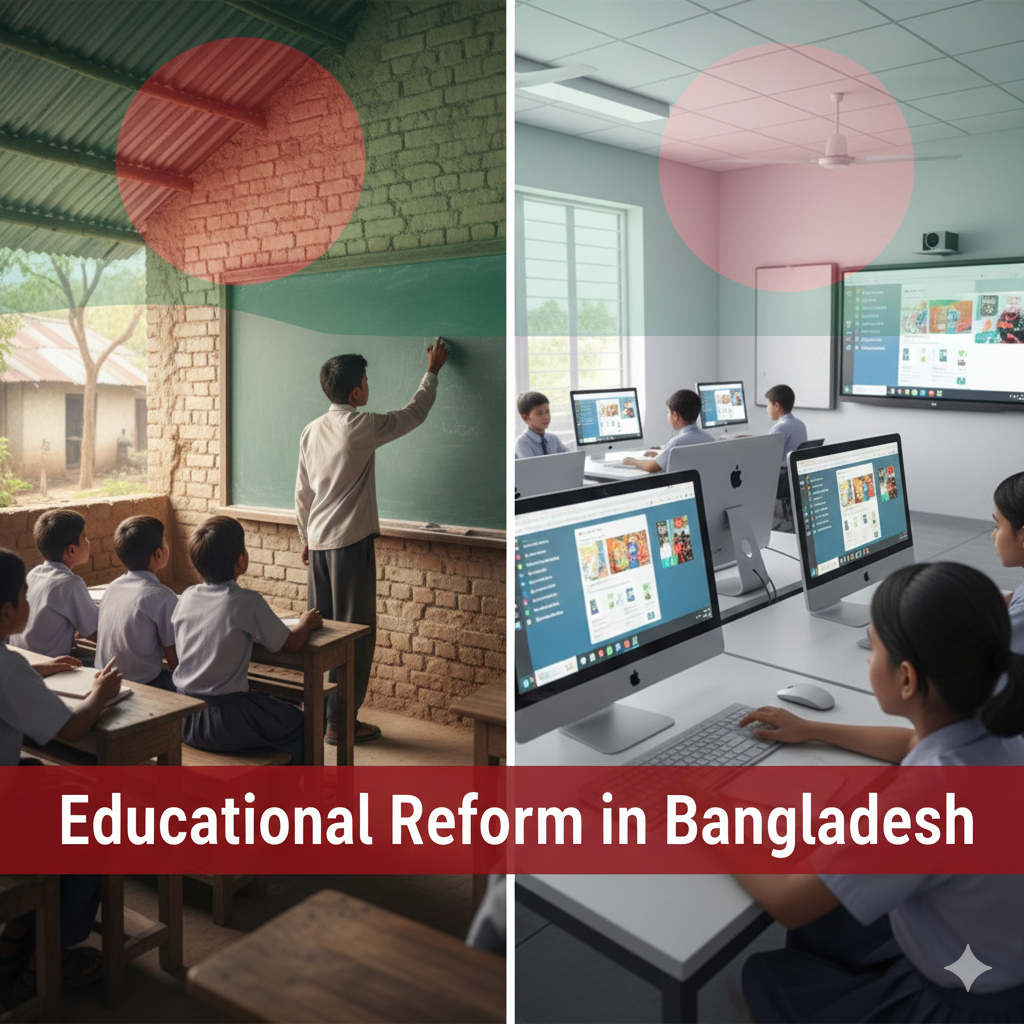
• Digital learning disparities between urban and rural areas
A.N.M. Ehsanul Hoque Milon’s academic background in chemistry, business administration, and political science positions him uniquely at the intersection of policy and practical reform. His doctoral research on technical and vocational education is especially relevant as Bangladesh pushes for skill based development.
A Critical Moment for Education Leadership
Bangladesh stands at a demographic crossroads. With a young population and growing economic ambitions, the strength of its education system will directly shape its global competitiveness.
In this context, A.N.M. Ehsanul Hoque Milon’s return is being viewed as more than a cabinet reshuffle. For many, it signals a chance to correct course.
Whether this moment becomes a genuine reform chapter or simply a symbolic comeback will depend on policy decisions in the months ahead. But for now, the narrative is clear. A.N.M. Ehsanul Hoque Milon is widely seen as a renewed hope for a system in urgent need of reform.