



Economic challenges for the new government in Bangladesh


Bangladesh is entering a decisive phase in its economic trajectory following the sweeping electoral victory of the Bangladesh Nationalist Party (BNP) in early 2026. The party’s return to power after two decades has raised expectations of stability, institutional reforms, and renewed growth. However, the incoming administration faces a complex landscape shaped by slowing growth, high inflation, fiscal pressures, and structural weaknesses.
The economic challenges confronting the new government are neither temporary nor isolated. They are rooted in long-standing issues such as weak revenue mobilisation, banking sector vulnerabilities, dependence on a narrow export base, and rising debt obligations. At the same time, global uncertainty, domestic political transitions, and social expectations have intensified the urgency of economic reform.
Understanding the scope of these economic challenges requires a careful examination of Bangladesh’s recent economic history, the present macroeconomic situation, and the policy options available for the future.
A positive story of growth that hid deep vulnerabilities
From 2010 to 2023, the country recorded average GDP growth of more than 6 percent annually, driven by export-oriented manufacturing, remittances, and public infrastructure investments.
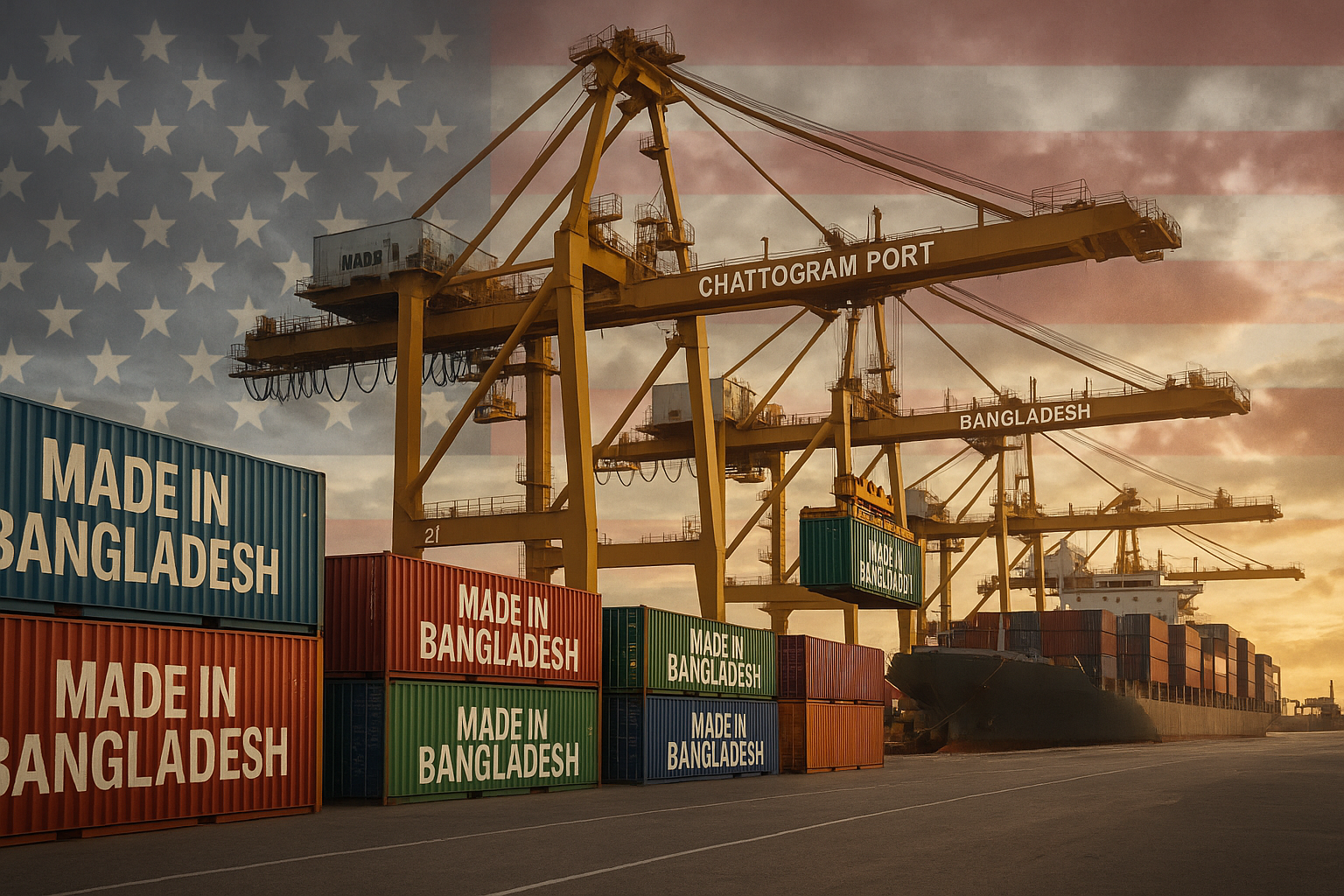
However, beneath this success lay persistent structural limitations. The economy relied heavily on the ready-made garments sector, which accounted for the majority of export earnings. Investment in technological upgrading, productivity enhancement, and industrial diversification remained limited.
Fiscal performance was another weak area. Bangladesh’s tax-to-GDP ratio remained among the lowest in the world, hovering below 10 percent. This constrained public spending capacity and limited the government’s ability to finance social services and infrastructure sustainably. Financial sector vulnerabilities also accumulated. Rising non-performing loans, governance weaknesses in state-owned banks, and regulatory gaps undermined financial stability over time.
Current economic situation, stability amid mounting pressures
As the new government takes office, Bangladesh’s macroeconomic indicators reflect a mixed reality. Growth has slowed significantly in recent years. According to IMF data, GDP expansion declined to around 3.7 percent in fiscal year 2025, compared with over 5 percent in earlier periods.
Inflation remains elevated despite signs of easing. Consumer prices were still above 8 percent in late 2025, reflecting supply disruptions, currency depreciation, and global commodity volatility.
The fiscal situation also remains challenging. Weak tax revenue collection continues to limit government spending, while capital investment has been under-executed due to budgetary constraints and administrative bottlenecks. External sector pressures persist as well. Foreign exchange reserves have stabilised but remain vulnerable to import demands and debt servicing obligations. Overall, while macroeconomic stability has not collapsed, the economy is operating under tight constraints that limit growth momentum.
Inflation and cost-of-living pressures, the most immediate challenge
High inflation represents one of the most pressing economic challenges for the new administration.
Bangladesh experienced double-digit inflation during parts of fiscal year 2025, driven by global energy price shocks, supply chain disruptions, and domestic market inefficiencies.
Structural issues within the domestic market also contributed to persistent inflation. Weak competition in wholesale markets, lack of transparent pricing information, and regulatory shortcomings have distorted supply chains.
Rising prices have disproportionately affected low-income households, eroding purchasing power and increasing poverty risks. Food inflation, in particular, has intensified social dissatisfaction.
Addressing inflation requires a combination of monetary tightening, supply-side reforms, and improvements in market governance. However, such measures often involve trade-offs between price stability and economic growth.
Fiscal constraints and weak revenue mobilisation
Fiscal sustainability remains a fundamental economic challenge. Bangladesh’s revenue-to-GDP ratio has remained persistently low, limiting the government’s ability to fund development projects and social programmes. Tax collection inefficiencies stem from narrow tax bases, weak enforcement, and widespread informality in the economy. As a result, public spending often relies on external borrowing rather than domestic revenue generation.
The fiscal deficit has been managed largely through under-execution of planned expenditures rather than through structural improvements in revenue collection.
For the new government, expanding tax capacity without undermining economic activity will be a critical balancing act.
Debt dynamics and external vulnerability
Bangladesh’s external debt remains manageable relative to GDP, but repayment obligations are increasing. Public borrowing expanded significantly to finance infrastructure megaprojects over the past decade. While this supported economic growth, it has created future repayment burdens. As loans enter repayment phases, debt servicing costs are rising rapidly, placing pressure on foreign exchange reserves and fiscal resources. Managing debt sustainability will require careful prioritisation of investments, improved project efficiency, and stronger export earnings.
Employment and productivity challenges
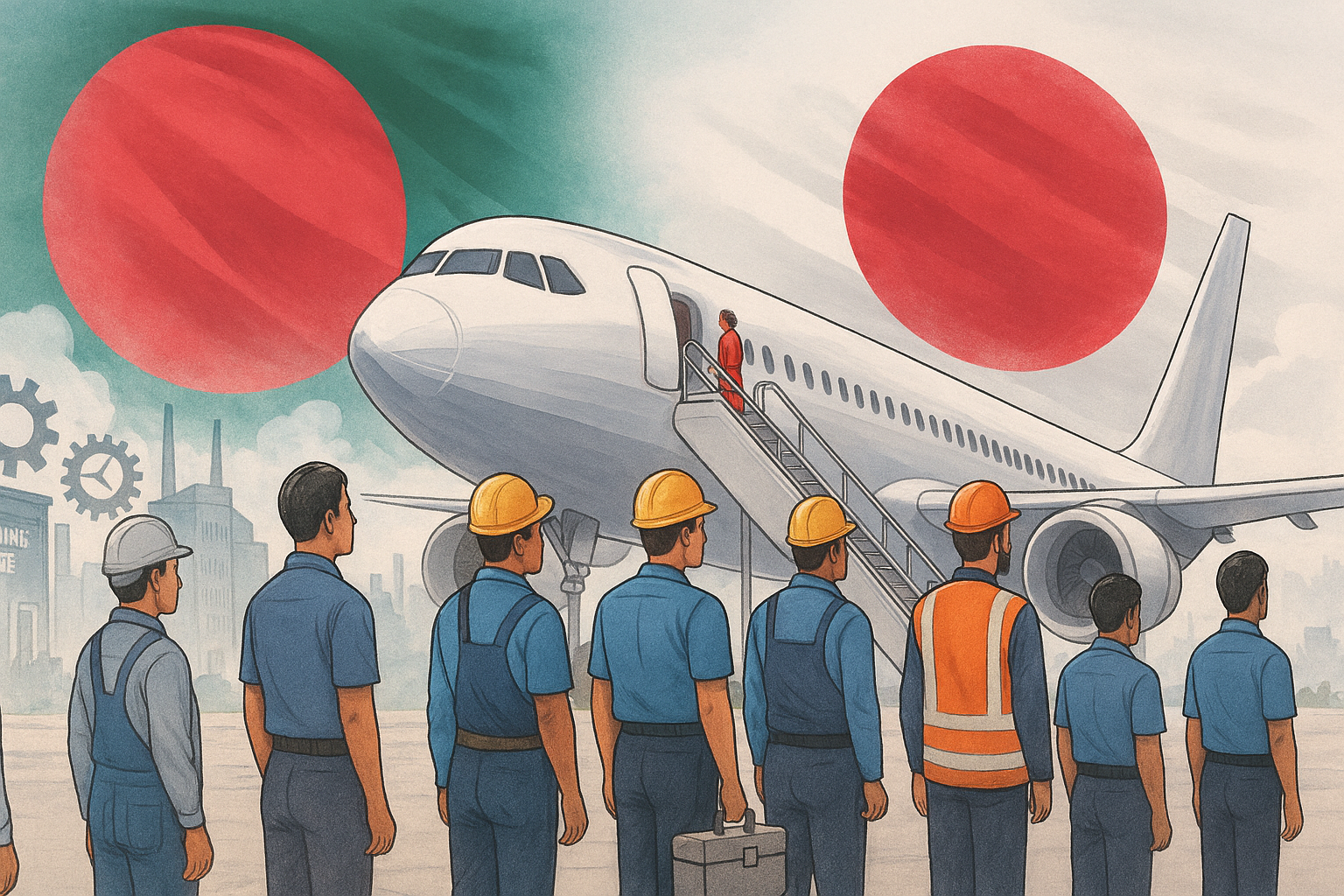
Employment generation remains a major concern. Despite economic growth, unemployment among educated youth has increased in recent years, reflecting a mismatch between skills and labour market demand. Structural changes in global trade, automation, and technological shifts have further complicated job creation efforts. The new government has pledged ambitious employment programmes, including initiatives to create large numbers of ICT jobs and revitalise industries. However, translating these commitments into tangible outcomes will require investment in education reform, skill development, and private sector competitiveness.
Financial sector vulnerabilities
The banking sector continues to face structural weaknesses. High levels of non-performing loans, governance failures, and regulatory shortcomings have eroded confidence in financial institutions. These vulnerabilities limit credit availability for businesses and constrain investment growth. Reforming banking governance and strengthening regulatory oversight will be essential for restoring financial stability.
Export dependence and structural transformation needs
Bangladesh’s export sector remains heavily concentrated in low-value manufacturing, particularly garments. While this sector has driven economic growth, it exposes the economy to external shocks such as global demand fluctuations and trade policy changes. Diversification into higher-value industries, including technology, pharmaceuticals, and advanced manufacturing, is crucial for long-term resilience.
Governance and institutional reform challenges
Economic reform in Bangladesh has historically been constrained by governance challenges. Weak regulatory enforcement, corruption risks, and bureaucratic inefficiencies have hindered investment and policy implementation. The new government has pledged institutional reforms to strengthen governance and improve transparency. Achieving these goals will be critical for restoring investor confidence and sustaining economic growth.
10 Policy alternatives and future prospects: A positive outlook, pathways for recovery and growth
Despite significant economic challenges, Bangladesh retains strong long-term potential. Demographic advantages, a growing domestic market, and strategic geographic location provide opportunities for economic transformation. Key policy priorities for the new government include:
a) Reforming tax administration to increase revenue capacity
b) Strengthening financial sector regulation
c) Promoting export diversification and industrial upgrading
d) Enhancing infrastructure efficiency and investment quality
e) Expanding social protection programmes to mitigate inequality
f) Encouraging foreign investment through improved regulatory frameworks
The IMF projects that Bangladesh’s economic growth could recover to around 6 percent in the medium term if structural reforms are implemented effectively.
Navigating economic challenges in a critical transition
Bangladesh stands at a pivotal moment in its economic development.
The new BNP-led government inherits a complex set of economic challenges, including high inflation, fiscal constraints, debt pressures, financial vulnerabilities, and structural limitations in employment and exports.
However, these challenges also present opportunities for transformative reform. With decisive policy action, institutional strengthening, and strategic investment, Bangladesh can sustain economic growth while addressing longstanding structural weaknesses.
The coming years will determine whether the country can successfully navigate its economic challenges and transition toward a more diversified, resilient, and inclusive economic future.