



Concert Cancellations in Dhaka Reveal the Poor Live Event Culture
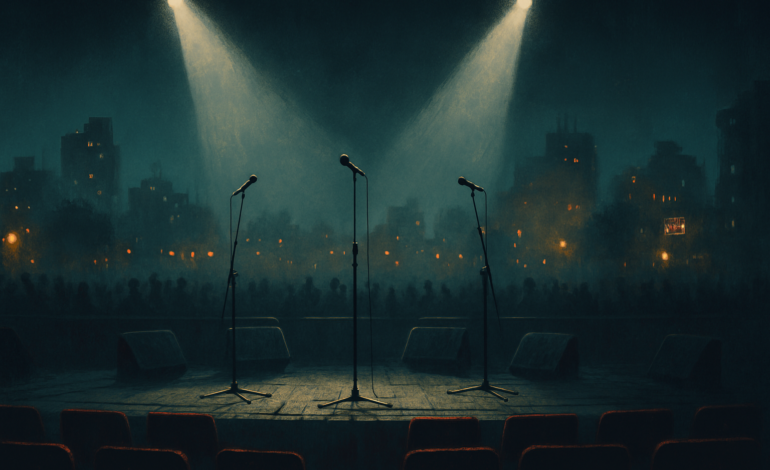

Concert Cancellations in Dhaka Reveal the Poor Live Event Culture
In recent months the live music scene in Dhaka has been hit by a wave of cancellations of foreign-artist concerts. Big names like a Pakistani rock legend and popular Indian musicians were scheduled to perform, tickets were sold, venues were prepared yet at the final hour, events were called off citing security concerns or delays in administrative approval.
For many fans these cancellations feel like broken promises. For the music industry, it raises fundamental questions about whether Dhaka can still host large‐scale concerts. And for culture lovers it begs the question: what happens when uncertainty becomes the norm?
What Triggered the Cancellations
The root causes of recent cancellations seem to revolve around two factors: security concerns and administrative delays or refusals. According to a recent report, concerts by a Pakistani rock singer, a well-known Pakistani band, and an Indian music sensation were all suspended despite prior ticket sales and formal announcements.
One organiser of a cancelled show explained that authorities withdrew permission at the last moment, leaving no time for rescheduling or proper notice to fans.
In the background there are deeper issues. In past years similar last-minute cancellations occurred due to fears of crowd mismanagement or security breaches when many fans attempted to enter venues without proper tickets. In one event organisers said they cancelled after anticipating trouble rather than risk public safety.
Whatever the immediate cause, the result is the same: disappointed fans, frustrated organisers, and a growing atmosphere of uncertainty around live music in Dhaka.
The Cost — To Fans, Artists, and Organisers
The effects of these cancellations go far beyond a lost night of music. Concert-goers have booked tickets, made travel plans, perhaps taken a day off, arranged transport, only to be left in the lurch. Many ticket-holders have spoken of anger, confusion, and sense of betrayal.
Artists who travelled to perform often arrive days in advance to rehearse and promote the show. When concerts are cancelled last minute, the costs, both financial and emotional, fall heavily on them. Some local bands and guest acts also invest time and resources in preparation, only to see their efforts go to waste.
Organisers face severe setbacks too. Venue bookings, equipment rentals, staff wages, promotion costs, these mount quickly. A cancellation after tickets are sold rubs away public trust. Future events may find it hard to attract both audiences and investors. Over time this may shrink the number of large concerts, limiting opportunities for both foreign and local artists alike.
The Culture of Uncertainty — A Threat to Music Vibrancy
When concerts become unreliable, music culture suffers. International artists may stop scheduling Dhaka shows altogether. Fans may lose interest or trust in big productions. Local promoters may limit their ambitions.
Concert culture thrives on momentum, word of mouth, success stories, memories made under stage lights. Cancelled events break that flow. They discourage spontaneous plans, reduce risk-taking, and make fans and organisers cautious.
Imagine a city where people no longer look forward to the winter season for big concerts. Or where a rising band hesitates to book a venue because nobody can guarantee that the show will go ahead. That would shrink the musical vibrancy of Dhaka — something many young people cherish.
Why Some Local Shows Still Go On
Despite the turbulence faced by foreign-artist concerts, many local concerts continue, especially outside the capital or in smaller indoor venues. Local bands, cultural groups and modest corporate events have seen fewer cancellations. This suggests that instability affects large-scale foreign events more than domestic ones.
Part of the reason may be that local shows rely less on complicated permissions and large venues. Smaller gatherings are easier to organise, involve fewer stakeholders, and attract more predictable crowds. They do not draw the same scrutiny or security concerns that headline concerts do.
This survival of local events is important. It keeps live music alive, supports grassroots musicians, and ensures that concert culture does not vanish entirely. Yet it is not a substitute for major international shows that bring global exposure, varied music styles, and larger audiences.
What Needs to Change — Building a Sustainable Concert Ecosystem
If Dhaka wants to remain a vibrant hub for live music, some changes are needed. First, there must be clear regulatory frameworks for concert approval that are transparent, consistent, and timely. When permissions are withheld at the last minute, it damages trust. Authorities, venue owners, and promoters should work together to ensure that safety standards are defined and met well before event day.
Second, security must be professional and well-managed. Past incidents of gate-crashing, ticket fraud, and crowd mismanagement make officials nervous. Instead of blanket cancellations, organisers and authorities could adopt controlled entry, verified ticket scanning, presence of trained security staff, and contingency plans. This will help reduce risks without killing entire events.
Third, promoters need to build contingency and communication plans. Fans deserve transparency. If a show is delayed or cancelled, prompt and honest communication, refund mechanisms, or rescheduling options can help preserve public confidence.
Finally, the music community, artists, fans, promoters, should advocate for a better concert culture. Silence and acceptance will only lead to more cancellations. Organised pushback, social media debate, and public demand for accountability may force stakeholders to find long-term solutions.
What the Loss of Concerts Means for Bangladesh’s Global Cultural Standing
Countries are often judged by their cultural openness and ability to host live entertainment. When concerts are cancelled repeatedly, Bangladesh risks being seen as unsafe or unreliable for performers. That can deter foreign bands and artists from ever including Dhaka on their tour maps.
Bangladesh has young music lovers eager for global exposure and cultural exchange. Every time a concert is cancelled, that opportunity fades. Over time, this may narrow tastes, limit exposure to diverse genres, and hinder the growth of a more cosmopolitan music audience.
In a globally connected world where music crosses borders instantly, failing to support live events undermines the cultural potential of a generation hungry for variety and experience.
A Call to Protect Live Music Culture Before It Fades
The wave of cancelled concerts in Dhaka is not just about individual events. It is a symptom of deeper systemic issues, regulatory unpredictability, poor security planning, social instability, and lack of accountability. If allowed to continue unchecked, the effect will be a long term weakening of the live music scene.
Fans, artists, promoters, and authorities all share responsibility. Authorities should commit to transparent approval processes. Promoters must ensure safety, trust, and respect for fans. Artists can raise voices to demand fairness. Fans must refuse to treat cancellations as normal and call for better standards.
Live music is more than entertainment. It is a space where people gather, feel connected, express emotions, and share culture. In Dhaka, live concerts have been a place of respite, of joy, of unity. It would be a grave cultural loss if that space shrinks.